| Biography Section of Influential Figures |
 |
| <-click here to advance to next topic |
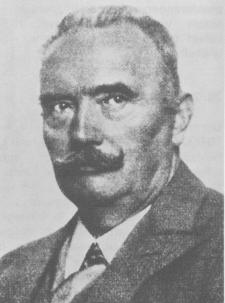 |
| Paul Nipkow |
 |
| <- click to return to Television index |
 |
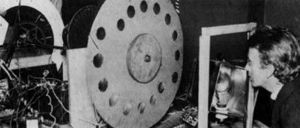
| Baird's "Televisor" in 1925 |
| Developed the Nipkow perforated disk in December, 1883 which allowed for images to be cast using a spiral-perforated disk to divide a picture in to a mosaic of points and lines. This was first performed by him using an oil lamp for a source of light. His invention, patented in January of 1885, was the basis on which the first television would be designed. |
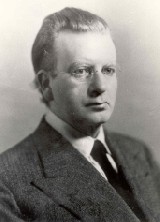 |
| John Logie Baird |
| Baird is one of the formost pioneers of the television. Born in Helensburgh, Scotland, he studied at the University of Glasgow butnever recieved a degree due to World War I. Baird took the ideas of Nipkow and used a modified version of his disk to create his "televisor" (pictured below). This creation allow for Baird to transmit moving silhouette images, such as his fingers wiggling, in his London labortory in 1924. He is also responsible for the first public exhibition of color television (1928). The Baird Television Development Company was formed in June of 1928. It was the corporation responsible for the first television program created for the BBC. The BBC relyed on the companys developing technolgies until 1937. |
 |
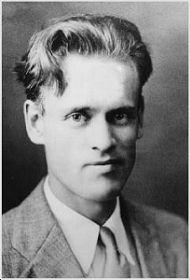 |
| Philo Farnsworth |
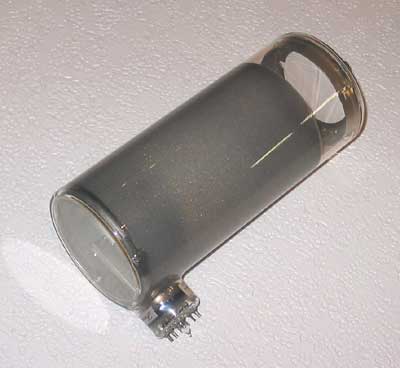
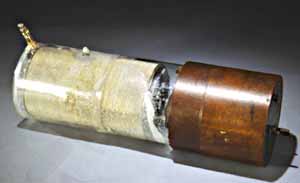
| Farnsworth was the first to apply the idea of a cathode ray tube to the field of television. He called it an Image Dissector and the process used directed light using cessium oxide. The idea was that if he could control the electrons, he could pinpoint where and how they reacted when exposed to the light. The issue with his invention, though it would be refined, is the fact that so much light was needed to produce the reaction of the electrons. The cathode ray tube was the most common form of power for a television's images until the early 1990's. Interestingly enough, the idea was developed by Farnsworth when he was only 14 years old. It was because of a high school teacher that his idea was made public and in use for nearly 70 years. |
 |
 |
| early image dissector (1947) |
| Farnsworth Image Dissector (1927) |