 |
|
|
|
|
|
|
|
|
|
|
|
|
|
|
|
|
|
|
|
|
|
|
|
|
|
|
|
|
|
|
|
|
|
|
|
|
|
|
|
|
|
City of Joy
Background and motivation |
|
go back to Home page |
|
|
|
|
|
Donation Information |
|
|
|
|
|
 |
|
|
|
"The more you have, the more you are occupied, the less you give. But the less you have the more free you are." -Mother Teresa |
|
|
|
|
|
|
|
"In the world's audience hall, the simple blade of grass sits on the same carpet with the sunbeams, and the stars of midnight." - Rabindranath Tagore |
|
|
|
|
|
|
|
 |
|
|
|
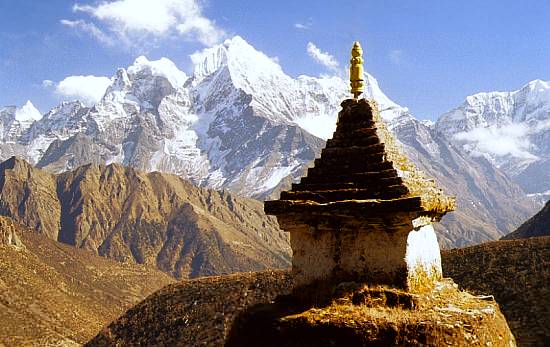
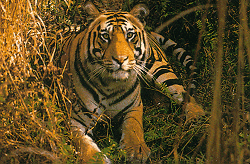
Between the snow capped Himalaya mountains and the crashing waves of the Bay of Bengal, near the lush tea gardens of Darjeeling� and bordering the mangrove forests of the Royal Bengal tigers, lies India's second largest city, Kolkata.
At the height of Kolkata's glory in the 19th century, it was called the second city of the British Empire, rivaling London in its riches and social refinement.
In the 20th century, five nobel laureates have risen from this city. To date, it is regarded as the cultural mecca of India.
|
|
|
|
|
 |
|
|
|
|
|
|
In the 1947 partition that ended British colonial rule, there was a large influx of refugees across the newly created borders. During the Bangladesh war in 1971, another population surge overburdened the city, and its urban services, since then, have been on the verge of collapse.
In contrast to the beautiful, spacious forests, ocean and mountains that surround the city, the city itself is home to about 12 million people, about 5 million of whom live in slums and perhaps another quarter-million on the streets. Kolkata's population per square mile is greater than 60,000 people (New York City's is 12,000). [note: these data are from 1991] |
|
|
|
 |
|
|
|
|
|
 |
|
|
|
|
|
 |
|
|
|
Lining the streets of Kolkata are small shops where nearly everything can be found, from tourism services to Cocacola to electronics to exotic foods to beautiful artwork to the famous "chai" (tea).
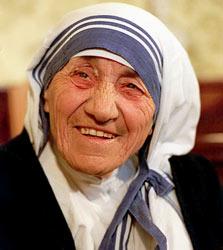
Mother Teresa made the streets of Kolkata her home. There, she began her empire, the Missionaries of Charity, an order dedicated to the poorest of the poor. |
|
|
|
|
|
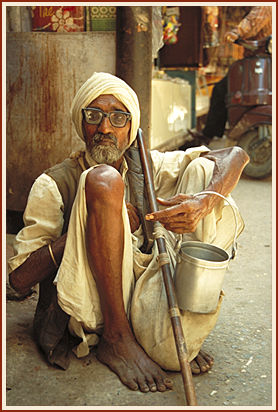
In the city, you will find people sleeping on the ground, with nothing to shield them from the hard concrete or dark cold.
The smell of steamy, pungent trash heaped at the sides of the streets is smothering.
Men, women and children search for food, alongside dogs and goats, in the trash piles.
Yet, there exists a certain freedom and joy in the midst of this poverty that cannot be found anywhere else....
We have set out in search of this freedom and joy. |
|
|
|
 |
|
|
|
|
|
|
|
|
|
"Poverty for us is a freedom. It is not a mortification or penance. It is joyful freedom. There is no television here, no this, no that. But we are perfectly happy." - Mother Teresa |
|
|
|
|
|
|
go back to Home page |
|