|
|
Jasmine Essential Oil 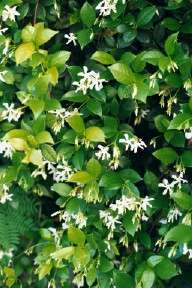 jasminum officinale trachelospermum jasminum ~AKA~ Chameli Sambac Tore Jessamin Moonlight on the Grove Poet's Jessamine Anbar Yasmin Caution PARTS USED Flowers and Essential Oil ACTIONS antiseptic, aromatic and sedative Jasmine essential oil has a sweet and floral aroma. It has many healing properties than are very useful it is used as an anti-inflammatory agent, as an antiseptic and as a sedative. It may be blended with other herbs such as bergamot, Clary sage, frankincense, geranium, lime, lemon balm, rose, rosewood and sandalwood. When blended with these herbs its provides many different ways to promote the body’s natural way of healing. Because of the quantity of petals needed to make jasmine’s essential oil, it is rare and highly sought after. It was extremely valuable oil during ancient times. Because it was thought to have aphrodisiac powers for many centuries it was used in different cultures in many types of ceremonies. The Chinese used jasmine in sick rooms to cleanse the air. It was also used by Egyptians to relieve nervous disorders, insomnia and headaches. The Chinese still drink jasmine tea on a daily basis, and in Indonesia it is used as a garnish to food. In today’s aromatherapy jasmine essential oil is expensive, but it is worth it for the skin. It encourages cell growth and increases skin elasticity. It is prescribed by herbalist to aid in the healing of minor to moderate burns. It is also used to help with muscle spasms and sprains. It is recommended for use during childbirth, but not until the later stages of labor. At that point it can be very useful as it strengthens the uterine contractions and relieves pain. SOURCE(S) How to Use Aromatherapy for Depression Jasmine essential oil in aromatherapy jasminum humile L. Aromatherapy Pure Essential Oils Aroma Web How jasmine oil is used as a natural healer Ganz iherb The Body Shop The Essential Oil Company |
|

