| CICLOTURISMO perú |
| 6 días / 5 noches
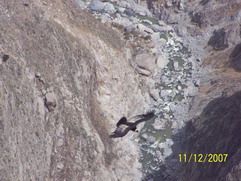
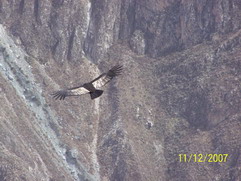
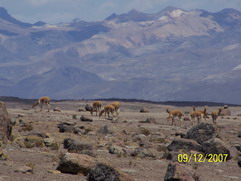
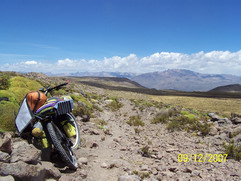
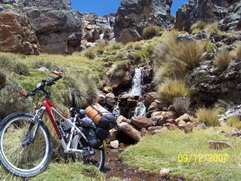
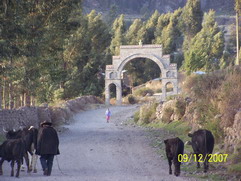
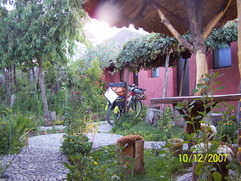
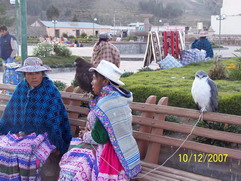
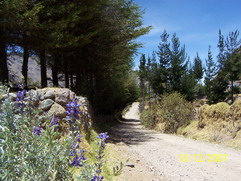
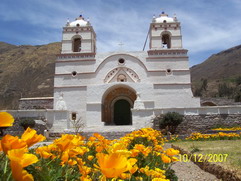
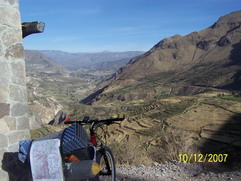
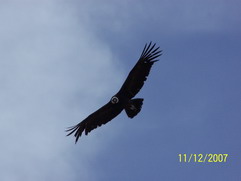
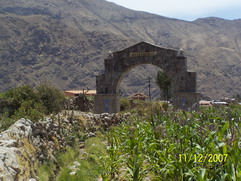
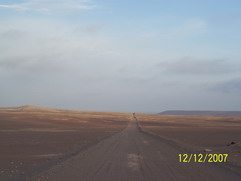
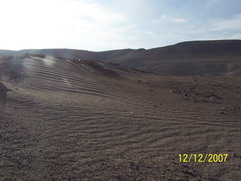
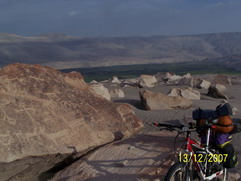
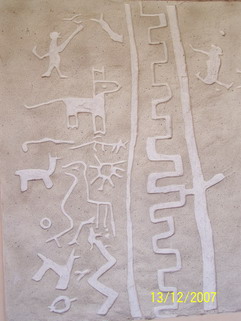
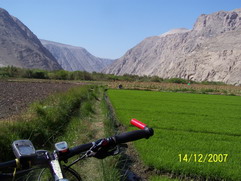
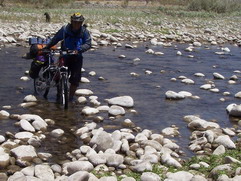
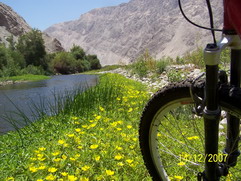
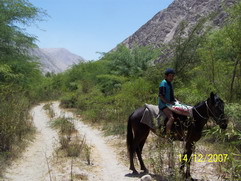
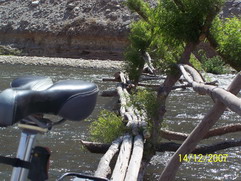
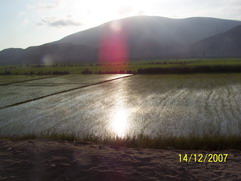
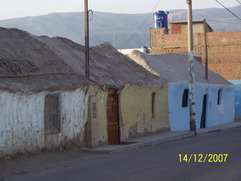
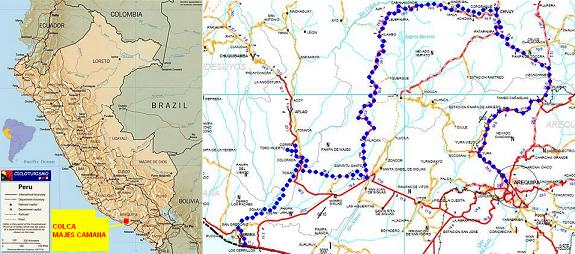
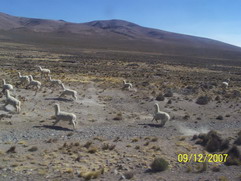
Colca - Majes - Camana Ubicacion: al noroeste de Arequipa Nivel 4. Exigente. Aventura total Todo el año Recorrido aproximado: 367 km Rango de altitud: 0 – 4837 m.s.n.m. Esta ruta ofrece las extraordinarias experiencias del valle del Colca más la oportunidad única de seguir el curso de sus aguas hasta el mar recorriendo los valles de Majes y Camaná por los caminos no convencionales de este viaje de descubrimiento. El viaje por el valle del colca es a través de hermosos paisajes naturales de una belleza escénica única y visitando tranquilos y pintorescos pueblos andinos que conservan intactos sus tradiciones y costumbres. Tierras de gente buena, amable, generosa y hospitañaria y territorio de majestuosos cóndores. Excelente oportunidad de contacto vivencial cercano con el medio ambiente andino y su gente. En la zona del valle de Majes visitaremos el fabuloso yacimiento de Petroglifos de Toromuerto. En la zona vírgen del valle de Camaná recorremos caminos de herradura y cruzamos el río varias veces de un lado al otro visitando las comunidades rurales y de pescadores de camarones aisladas de la civilización. Día 1. Arequipa – Patapampa – Yanque Partida temprano de Arequipa en bus hasta Patapampa, el punto más alto de toda la ruta, 4837 m.s.n.m. donde se inicia el descenso hasta Chivay, aquí se descansa para almorzar. Reinicio del viaje por la margen derecha del valle hasta Coporaque y luego hasta el puente que cruza el río Colca para pasar a la margen izquierda hasta Yanque, bonito pueblo para pasar la noche en el albergue local. Día 2. Yanque – Ichupampa – Lari – Pinchollo Después del desayuno, visitamos Yanque y sus alrededores. También visitaremos los baños termales. La ruta continua nuevamente por la margen derecha hasta Ichupampa, donde será muy interesante visitar el bosque de cantutas y ver miles de picaflores volando entre las flores. El camino sigue por bellos paisajes rumbo a Lari a donde se llega después de un tramo de subida un poco exigente. Aquí hacemos un descanso y reabastecimiento al mediodía para emprender el tramo final del día que empieza con un descenso hasta el puente Lari – Maca y la consiguiente subida por la margen izquierda que termina en Pinchollo pasando por algunos miradores panorámicos en el camino. Noche en el albergue local. Día 3. Pinchollo – Cruz del cóndor – Cabanaconde Después del desayuno, temprano reiniciamos la marcha en bicicleta alternando subidas y bajadas hasta llegar al mirador de Cruz del Cóndor para presenciar el vuelo de las aves más grandes del mundo. Seguimos de bajada hasta Cabanaconde. Descanso, día libre y noche en el albergue local Día 4. Cabanaconde – Huambo – Pedregal - Corire Ultimo día en el valle de Colca . Salida muy temprano en bus, en Huambo tomamos el desayuno. El bus atraviesa el páramo desértico andino hasta Pedregal. Aquí reiniciamos la marcha en bicicleta por la carretera que cruza el territorio del proyecto de irrigación Majes hasta su límite este con el desierto donde seguimos por el antiguo camino a Majes atravesando sobre los 1,200 m.s.n.m. la pampa seca y arenosa cuyo paisaje de aspecto lunar inspira nuevas y contrastadas sensaciones. La travesía por el desierto arequipeño termina en una cumbre de las altas laderas de la margen izquierda del valle de majes aquí se inicia una bajada que recorre descendiendo en zigzag hasta unirse a la carretera que conduce a Corire. Este camino de bajada está en desuso y varios tramos se hallan cubiertos por rocas y arena, atravesarlo demora un poco. En Corire descansamos y pasamos la noche en el albergue local. Día 5. Toromuerto. Este día visitamos el impresionante sitio arqueológico de petroglifos de Toro Muerto. Almorzamos deliciosos camarones en Punta Colorada y descansamos y pasamos la noche en el albergue local de Corire. Día 6. Corire – Camaná Este es el día más intenso de toda la expedición. Partimos temprano de Corire. Desayunamos en Punta Colorada y continuamos de bajada por el valle siguiendo el camino hasta Paican donde termina la trocha carrozable y sigue un camino de herradura que alterna subidas y tramos estrechos por las laderas rocosas con bajadas y tramos por la orilla del río el cual se cruza en varios puntos, en algunos a través de puentes rústicos de palos “pasamanos” y en otros vadeándolo. Esta ruta alterna tramos pedaleando, caminando y porteando la bici. Pasamos por el punto denominado Paloparado que marca la frontera entre las provincias de Castilla y Camaná. El recorrido nos lleva a través de pequeños caseríos rurales y ranchos de pescadores de camarones asentados en las orillas del río hasta Socso, a donde llegan los carros de Camaná. Aquí empieza nuevamente la trocha carrozable mayormente de bajada pasando por los pueblos de Sonay, Pisques, Characta, Pampata, San Gregorio y finalmente Camaná. En Camaná termina el tour en bici, desde aquí se puede viajar en bus hacia Arequipa o hacia Nazca, Ica, Lima. Palabras clave: Sol, aire puro, aventura real, naturaleza, relax, paisajes, descubrimiento, cóndores, comida típica, río, buen clima, libertad, gente amable, petroglifos, camarones. Traslado ida y vuelta de su hotel a la estación de bus. 6 days / 5 nights COLCA – MAJES – CAMANA Location: northwest of Arequipa Level: 4 Demanding. Total adventure All year round Approximate cycling distance: 367 km Altitude range: 0 - 4837 m.a.s.l. The bike trip along the Colca canyon is an extraordinary experience through landscapes of superb scenic beauty and visiting quiet and nice andean villages that preserve intact their costumes and traditions. These are lands of kind, generous and hospitable people and of the majestic flying condors. This is an excellent opportunity for a close contact with the real life of the andes and its people. Day 1. Arequipa – Patapampa – Yanque Early departure from Arequipa by bus up to Patapampa the highest point of the trip at 4837 m.a.s.l. where starts the first downhill heading to Chivay, good place for a break and lunch. In the afternoon the trip continues by the right side of the valley to Coporaque and further to the bridge over the Colca river to pass to the left side to Yanque, nice town to spend the night in the local lodge. Day 2. Yanque – Ichupampa – Lari – Pinchollo After breakdfast a brief visit to the town and surroundings. The hot springs near the river are worth to spend a couple of hours having a hot shower and swimming. The ride continues along the right side of the valley to Ichupampa where is said there are thousands of hummingbirds around the cantuta flowers in the blooming season, a unique spectacle. The road heads through beautiful landscape up to Lari that is reached after a kind a demanding uphill. Lari is a good place to rest and refill supplies before the hardest section of the trip that starts with a nice downhill to the bridge Lari – Maca anf follows with a steep uphill on the left side of the valley until meet the main road leading to Pinchollo. On the way some nice panoramic views of the valley are possible from landmarked observing spots. At Pinchollo spend the night in the local lodge. Day 3. Pinchollo – Cruz del cóndor – Cabanaconde After early breakfast, the ride is to go up Cruz del Condor observing site, to watch right over our heads the amazing fly of several of the biggest birds in the world. From here a nice downhill continues to Cabanaconde for a free open day and rest at the local lodge. Day 4. Cabanaconde – Huambo – Pedregal - Corire Last day of the Colca canyon trip. Very early departure by local bus. At Huambo breakfast is available. The bus continues through the very dry high andean desert to Pedregal. From here the cycling stars over across the lands of the monumental Majes irrigation project up to its border with the neighbouring desert to find the begining of the journey along the ancient road through the moon like landscape of this dry, arid and sandy region. An unforgettable experience. The cruise of the desert at 1,200 m.a.s.l. ends at the summit of the high slopes of the left side hills of the Majes valley. Here begins a winding downhill by this old road of which several sections are partially blocked by rocks and sand making the ride slow until it meets the paved main road leading to Corire to rest and spend the night in the local lodge. Distances: Pedregal – bajada a Majes 32 km.; bajada a Majes – Punta Colorada 18 km.; Punta Colorada – Corire 7 km. Day 5. Toromuerto This day is dedicated to rest and visit the impressive Toro Muerto petroglyphs site. Few kilometers away is Punta Colorada famous for the delicious fresh water shrimps dishes. Rest and spend the night at Corire. Distance: 20 km Day 6: Corire - Camaná This is the most intense day of the whole expedition. Early departure from Corire. Breakfast at Punta Colorada and cycling downhill along the valley side dirt road until it ends at Paican. From here follows a singletrack through the valley alternating ascends and descends, some sections narrow on the hillsides and others wide on the river shores, The river is crossed many times from one side to the other using either rustic crafted wooden bridges or just passing through shallow water or carriying the bike. This route leads through the lands of small rural settlements of fresh water shrimps fishermen down to Socso. This is the final spot of the road that leads cars from Camana. Here cycling again mainly downhill by the road passing by Sonay, Pisques, Characta, Pampata, San Gregorio and finally Camaná, where the tour ends. From Camaná is possible to take a bus to go to Arequipa, Nazca, Ica or Lima. Keywords: Sun, pure air, real adventure, nature and wildlife, relax, superb landscapes, discovery, condors, typical cuisine, river, nice weather, freedom, nice and hospitable people, petroglyphs, fresh water shrimps. Transfer round trip from your hotel to the bus station. |

|
| Colca - Majes - Camana Desde el Colca hasta el Océano Pacífico. From Colca to the Pacific Ocean |
| Información de contacto / Contact info
Aníbal Paredes & María Elena Pinto [email protected] Teléfono: ++51 (1) 4337981 |
 |
 |
|
 |
|
| 12/03/2008 |
| Destino espectacular Impressive destination |
 |
 |
 |
 |
 |
 |
 |
 |
 |
 |
 |
 |
 |
 |
 |
 |
 |
 |
 |
 |
 |
 |
 |
 |
 |
 |
 |
|
 |
 |
 |
