
|
|
|
|
|
|
|
|
|
|
|
|
|
|||||||||



PAN AFRICAN CONGRESS BUSINESS ASSOCIATION
Welcome to Pan African Congress Business Association for Jewellery zone ! We're specialists in find you just the right Diamond as well as diamond and colour stone jewellery and all kinds of minerals and material in place for business We have access to hundreds of suppliers to complement our substantial in-house stock of diamonds and minerals and material.
Pan African Congress Business Association Was formed in 1991, as a result of a strategic partnership between
SIERRA LEONE . SENEGAL . SOUTH AFRICA . IVORY COAST . GAMBIA . NAMIBIA
What you can expect:
-
We help our clients to choose the machines fitting for the retrofit and modernization, we increase their productivity and the utility value..
-
We'll find the diamond for you, based on what you need
-
We'll give you personal service from a diamond expert
-
We'll give you the time you need to make the choice that suits you
-
We'll maximize every dollar of your investment so you can be proud of your purchase for a lifetime
-
If you're not 100% satisfied, you can expect us to cheerfully refund your money
-
We have all kinds of material minerals in place for business
Pan African Congress Business
Association for
Jewellery
zone
contains two mineral systems separated by the east-west trending Sierra Mojada
Fault. North of the fault the mineralization is silver, copper, and gold zinc
and lead sulphide deposits. South of the fault the mineralization consists of
oxide and diamond zinc deposits.
Metal line has been working on the property since 1997 and has generated a large
database of drill and channel samples. Work from 1997 through 1999 was conducted
on the sulphide mineralization north of the Sierra Mojada fault. When solvent
extraction electro winning of oxide zinc mineralization was developed at the
Skorpion Mine in Namibia, Africa, exploration was shifted to the oxide zinc
mineralization south of the fault on the Unifications Miners Notions
concession.
Reserve International , an independent contractor, specializing in resource evaluation was retained to complete a block model evaluation of the oxide zinc data. The results, using a 5% cut off grade (using grades greater than 5%) and with blocks of 5 meter dimensions, estimate 17,926,988 metric tons with a grade of 8.78% zinc for the Iron Oxide Manto and diamonds and 5,431,050 metric tons with a grade of 12.08% zinc for the Smithsonite Manto. Metal line is of the opinion that mineralized material sufficient to justify a mine and solvent extraction electro winning plant has been defined and has therefore commissioned a feasibility study on that mineralized material. Pan African Congress Business Association Movement for Jewellery zone Green Tea.
Pan African Congress Business Association Mine, Namibia Africa
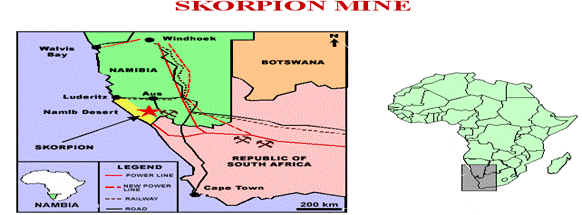
Pan African Congress Business Association for Jewellery zone operated by Skorpion Zinc and owned by Anglo Base Metals. Skorpion is located in Namibia, Africa, near the west coast and about 40 kilometres (km) north of the Orange River, the border between Namibia and South Africa
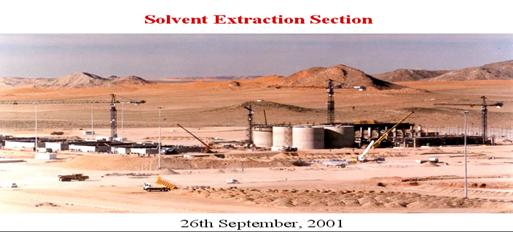
PACBA
mine zone is an diamanid and gold zinc deposit; the ore
minerals are hemimorphite, smithsonite, sauconite and hydrozincite.
Prior to the development of a zinc solvent extraction
reagent these minerals could not be economically processed. is the first
production test of the zinc Solvent Extraction Electrowinning (SXEW) process.
The SXEW process has been used for the production of copper for 30 years. The
SXEW process reduces the cost of producing zinc and copper by about 30% compared
to the smelter process. Essentially all zinc and 80% of copper production is
produced by the smelter process.
PACBA
ore reserves are 21.4 million metric tons (mt) with a diluted grade of 11% zinc
contained in 140 million mt of ore and waste. The ore will be mined by the open
pit method, the pit dimensions are 800 meters x 1000 meters x 240 meters deep
with a stripping ratio of ore: waste of 1: 6.5. The mine will have a 15 year
mine life and produce 150,000 mt of refined zinc metal per year (SHG, 99.995%
zinc).
The ore host rock is metamorphosed and folded arkose. The arkose is interbedded
with tuff and is underlain by limestone. The limestone is not mineralized.

Project Description
The PACBA Mine is
an oxide zinc deposit; the ore minerals are hemimorphy, smithsonite , sauconite
and hydro incite. Prior to the development of a zinc solvent extraction reagent
these minerals could not be economically processed. Skorpion is the first
production test of the zinc Solvent Extraction Electro winning (SXEW) process.
The SXEW process has been used for the production of copper for 30 years. The
SXEW process reduces the cost of producing zinc and copper by about 30% compared
to the smelter process. Essentially all zinc and 80% of copper production is
produced by the smelter process.
PACBA
ore reserves are 21.4 million metric tons (mt) with a diluted grade of 11% zinc
contained in 140 million mt of ore and waste. The ore will be mined by the open
pit method, the pit dimensions are 800 meters x 1000 meters x 240 meters deep
with a stripping ratio of ore: waste of 1: 6.5. The mine will have a 15 year
mine life and produce 150,000 mt of refined zinc metal per year (SHG, 99.995%
zinc).
The ore host rock is metamorphosed and folded arkoses. The arkoses is interceded
with tuff and is underlain by limestone. The limestone is not mineralized

Pan African Congress Business Assocition Pilot- Training Plant
PACBA
constructed an on site, US$3 million, SXEW pilot plant that has produced 35 mt
of zinc cathode (the zinc product from the electrolytic reduction of the zinc
electrolyte solution, SHG zinc). The plant has also served to train Namibians
who will operate the main plant when completed.
The plant is a scale model of the main production plant. In addition to proving
that the SXEW process is a success for the Skorpion ore and training the
Namibian crew the data acquired during the operation of the plant will be of
great value in contributing to the efficient commissioning of the main plant.
Sulphuric acid for leaching and extraction of the zinc ore is produced from an on
site acid plant by oxidizing native sulphur. Native sulphur is imported to the
port of Luderitz and trucked about 400 kilometres to Skorpion. Acid and
electricity are the largest costs for the SXEW production of zinc.
The energy requirement for zinc reduction is 3.3 kwh/kg zinc or 3300 kwh/mt zinc
and the cost of South African electricity is US$0.025 per kwh (kilowatt-hour).
The SXEW process involves 3 stages of solution and extraction: 1. Leaching the
zinc bearing ore with sulphuric acid in a water solvent to produce the Pregnant
Leach Solution (PLS). 2. Extraction of the zinc from the PLS solution into the
organic extraction solution by the organic zinc complexion reagent. 3.
Extraction of the zinc from the organic extraction solution into the electrolyte
solution.
The extraction reaction is reversible by control of the pH (acidity). Ore is
leached to produce the acid PLS which is mixed with the organic extraction
solution (zinc completing reagent dissolved in a clean diesel fuel solvent)
where two hydrogen ions on the completing molecule are replaced by one zinc ion.
The solutions are separated and the organic extraction reagent is then mixed
with an acid solution (water solvent) and the zinc ion is removed from the
completing molecule and is replaced by two hydrogen ions. These solutions are
separated and the extraction solution is circulated back to interact with new
PLS and
Minerals and Materials Photo Gallery in place for Business.
Name Abrasives
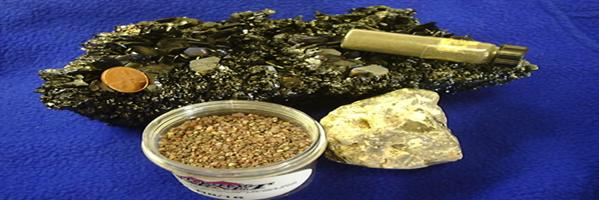
Amethyst Quartz)
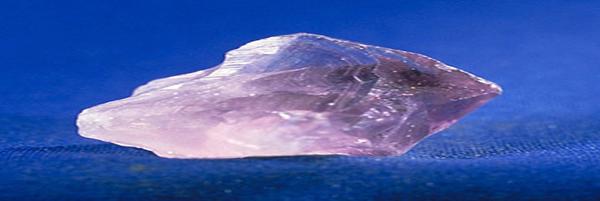
Andesite
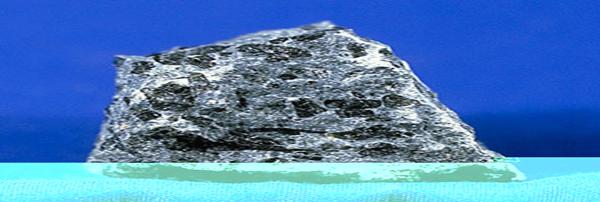
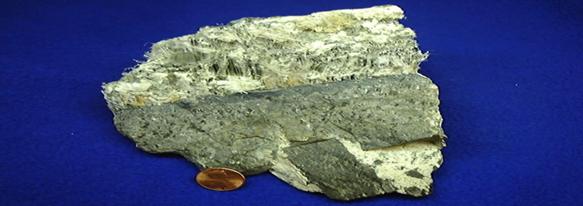
Asbestos
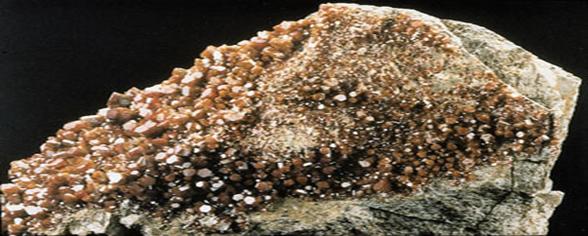
Vanadinite
Talc
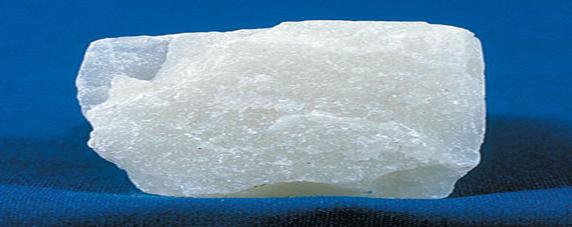
Magnesium Silicate Hydroxide
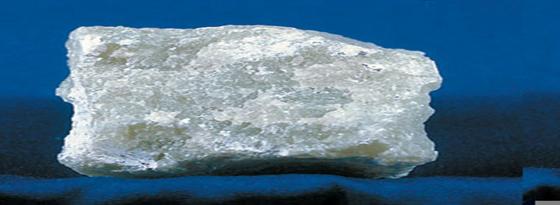
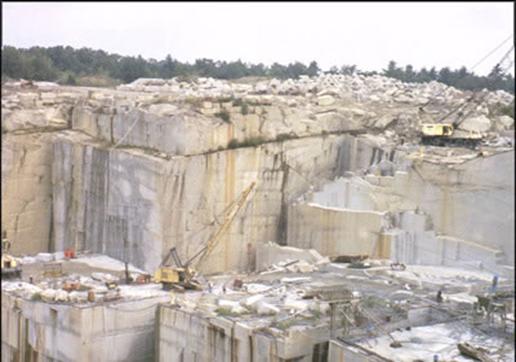
Stone(Dimension Stone Quarry)
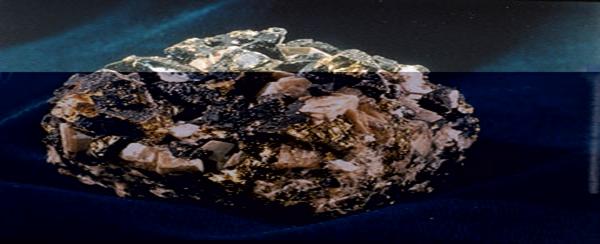
Tennantite
(Copper Arsenic Sulfide)
Gold
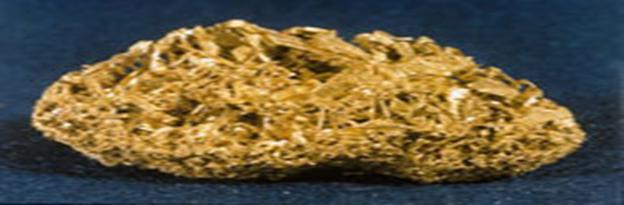
Gold2
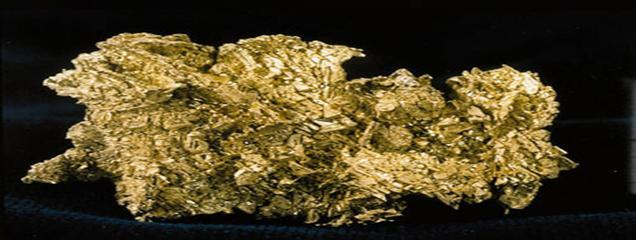
1* DIAMONIDS IN PLACE FOR BUSINE
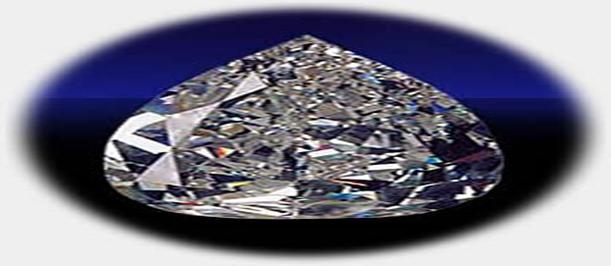
The fake diamond, or an enhanced poor quality diamond masquerading as a good quality diamond. Make sure you look carefully at the diamond grading report and then have the stone weighed (in front of you) on a set of diamond tolerant scales to make sure the weights match. Diamond fakes will weigh differently to a similar looking diamond of the same size. Check the date on the grading report and verify that it's not an old report. A lot can happen to a diamond in a few short years, especially in-store accidental damage that may have been patched up using a glass like filler. If there has been any work done to enhance a stone it should be sent for re-grading and a new grading report should be available for your close inspection. Even then you should be highly dubious as regards the quality and price.
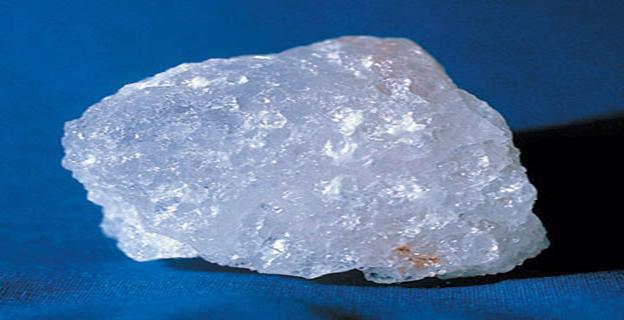
2* Term that describes a shallow cut diamond with a notable lack of brilliancy that looks like a fish eye when viewed from above because light is passing straight through the stone instead of being reflected back from it.
3*A diamond that has had a transparent material applied to a crack, chip or cavity. This might not be a permanent modification and as such these stones are often sold without a grading certificate because G.I.A. won't re-grade such stones.
4*Describes the individual hue of a diamond usually used in the context of the relative lack of colour that a diamond possesses. Although it's become fashionable to a certain extent to cherish "fancy collared diamonds".
5*Diamond Quality Document, issued by the American Gemmological Society Laboratories, is universally accepted and respected by the jewellery industry as a document of authenticated quality
6*Unit of weight for precious stones, NOT to be confused with Karat which is the unit of weight used for grading precious metals. Prices increase exponentially for larger carats. E.g. A 1 carat diamond is more valuable than four 1/4 carat diamonds put together.
7*Indicates a diamond that has been treated to improve its appearance, usually by laser drilling or filling of imperfections with transparent glass like material. If the diamond is filled in any way then it may not be a permanent treatment and as such G.I.A. refuses to quality grade any such diamonds. Laser drilling is permanent and is seen as acceptable although a stone should be re-graded and marked as having been laser drilled. Value should be reflected accordingly
8*Describes the individual hue of a diamond usually used in the context of the relative lack of colour that a diamond possesses. Although it's become fashionable to a certain extent to cherish "fancy coloured diamonds".
6*A diamond that has had a transparent material applied to a crack, chip or cavity. This might not be a permanent modification and as such these stones are often sold without a grading certificate because G.I.A. won't re-grade such stones.
7*term that describes a shallow cut diamond with a notable lack of brilliancy that looks like a fish eye when viewed from above because light is passing straight through the stone instead of being reflected back from it
8*The value which represents how the diameter of the table facet compares to the diameter of the entire diamond. The larger the table percentage, the greater the brilliance and the lesser the fire, and vice versa.
9*Expresses how deep the crown is compared to how wide the diamond is. A Deviation from the ideal will cause reduced brilliance and fire
10*A gemstone is the naturally occurring crystalline form of a mineral which is desirable for its beauty. There are over 30 different varieties and infinite colour variations. They are commonly linked to birth dates and astrology and are even mentioned in the bible. Most gemstones are naturally imperfect but this adds a certain amount of character. Large mounted gemstones are often flanked with smaller gemstone or diamond clusters that help protect relatively soft stones.
| Home About US Gallery Contact US |
| Copyright PaDiamonds © 2005 All rights reserved. Powered by demon |