|
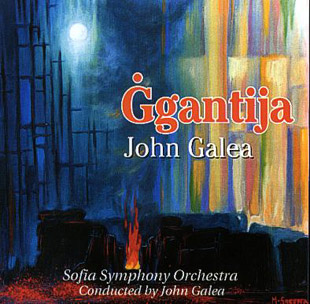 The awe-inspiring
ruins of Ggantija are the best preserved megalithic
temple remnants of pre-historic Malta. Erected in the mid-4th millenium B.C.,
they are considered to be the oldest free standing structure in the world. The
Ggantija temples are some 500 years older than the earliest pyramid in Egypt,
and almost two millenia earlier than Stonehenge in Great Britain. The awe-inspiring
ruins of Ggantija are the best preserved megalithic
temple remnants of pre-historic Malta. Erected in the mid-4th millenium B.C.,
they are considered to be the oldest free standing structure in the world. The
Ggantija temples are some 500 years older than the earliest pyramid in Egypt,
and almost two millenia earlier than Stonehenge in Great Britain.
This
symphonic poem has been inspired by the poem "Il-Ggantija t'Ghawdex"
by Gorg Pisani. It was the late George Xerri who proposed the commission
of this work during one of the meetings of the Gozo Cultural Council way
back in 1988. An intensely lyrical prelude sets the aura of spiritual enchantment
to be found within the mystic enclaves of the temples. As the concepts of
life, fertility and survival are a constant preoccupation of the mind, various
rituals and offerings try to invoke the favours of the gods. The people
summon in the temples to congregate in worshipful incantation.
A
period of intense drought prevails and another invocation is pleaded as
the wrath of the gods is more imminent. The oracle speaks and accordingly
a life is to be sacrificed to the deity of fertility. The petrified crowd
rests perturbed to the announcement of the oracle. But one of them, a
girl still in her early teens offers her body for the sacrifice.
The
march to the pyre unfolds against sinister drumming patterns. The crowd
wails in lament. A mystic change follows the sacrifice of the chosen one
and the gods are appeased as the crops receive rain once more and water
becomes abundant. The finale heralds a return to fertility and crop abundance
amid general festivity and rituals of thanks.
|