Copyright 2006 Gloria Nygren Smith. May be copied with proper credit to the author for nonprofit purposes only. For all other uses, please contact the author.
THE AMERICAN FLAG
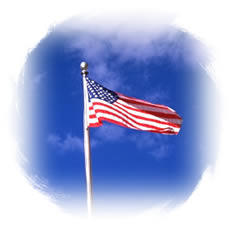
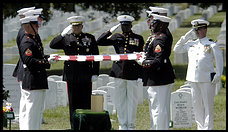
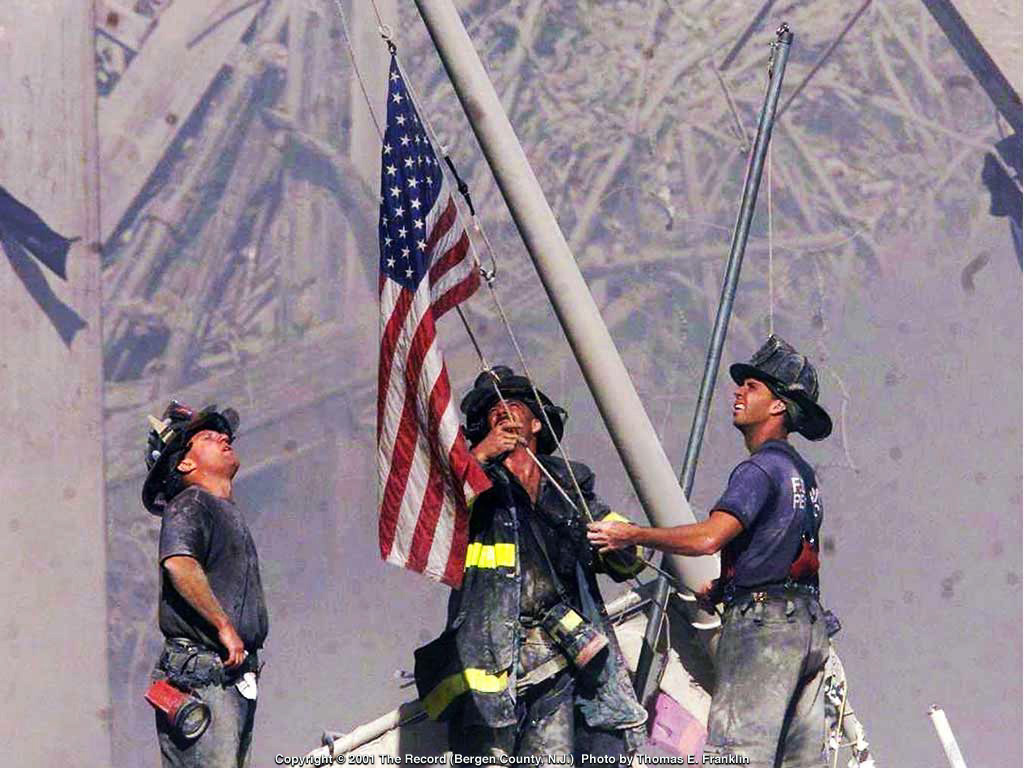
The flag of the United States of America is perhaps the best recognized flag in the world. When coming home from business trips in Canada, my husband has to simply �follow the flag� in the Vancouver airport in order to proceed to the Customs and Immigration checkpoints that put him on US soil even before he sets foot on the airplane. From the Olympics to the used car lot, the American flag has become a sight so common that it receives little attention any more. Sometimes it seems like little more than a nationally agreed-upon advertising logo. Today it was my honor and my grief to have a severely damaged flag placed in my hands. As I held that tattered piece of cloth, images of other American flags flashed through my head--the little flag which I received in elementary school and still have today� the flag which stood to the right of the cross at my wedding�the flag draped coffins and the flag which flies at Arlington National Cemetery, reminding us all that the countless soldiers buried there did not die in vain. I thought of battle-scarred flags and the flag that flew at Ground Zero. I thought about what it felt like to walk under the red, white and blue into the safety of a U.S. Embassy in the Middle East. I thought of all this and fought to hold back the tears as I held this bedraggled flag, because this flag�s scars did not come from battle. They came from neglect. It wasn�t that anyone involved with the flag that flew above their building had a particular animosity for the flag. They were fairly average citizens; busy with family, friends, jobs and activities. Some knew that the flag wasn�t in the best of shape but believed that they couldn�t do anything. Some had been told that the flag needed help, but put the job off for months. And some never bothered to even consider the condition of the flag. To my shame, I had harbored suspicions of the flag�s condition for months without taking action, because property issues weren�t my responsibility. The local Fire Department has my enduring gratitude. The flagpole was on a third story roof, and due to bad weather it was inaccessible to all but the crazy and the very brave. The Fire Department showed up less than 2 hours after my phone call with a ladder truck and 3 brave men. With cheerful smiles they had the flag down within minutes, and even offered to come back to put up a new flag. The image of the flag carried like a rescued person over the shoulder of a fireman will remain with me. As they drove away I held the wet, torn and faded flag in my hands. Proper protocol demanded that I fold it in a particular way and arrange for a proper burning. But the flag was wet and torn. I had two choices: I could allow it to remain wet and attempt protocol, or I could dry it as respectfully as possible and then give it a proper folding. How does one restore honor to something that has been dishonored? Like our nation, the flag had sustained much damage and many imperfections. Yet it is the symbol of something greater than ourselves. The flag flies as the symbol of freedom for all those who neglect it as well as those who love it. I chose to dry the flag and then fold it properly. It�s such a little thing to do, but one has to start somewhere. Perhaps when we learn again to cherish the symbol, we will remember to cherish the nation�and to do what we can to make it worthy of respect.