|
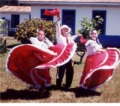
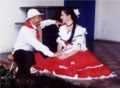
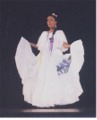
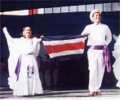
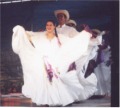
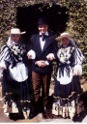
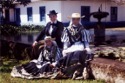
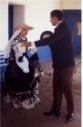
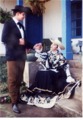
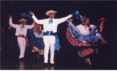
Traje de San Carlos
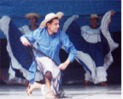
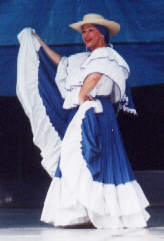
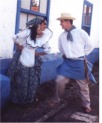
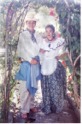
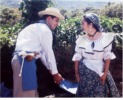
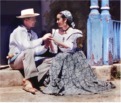
San Carlos como una zona lechera por naturaleza obligaba a hombres y mujeres a
utilizar un traje que fuera cómoda y fresco, que facilitara la labor que
el campesino sancarleño realizaba.
|
|
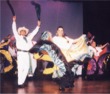
Traje de San Carlos
San Carlos como una zona lechera por naturaleza obligaba a hombres y mujeres a
utilizar un traje que fuera cómoda y fresco, que facilitara la labor que
el campesino sancarleño realizaba.
|
|
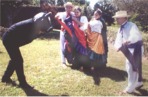
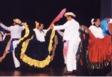
SAN CARLOS Se ubica en la Región Huetar Norte de nuestro país, que es un territorio muy próspero de grandes riquezas naturales, en donde la agricultura, la ganadería y especialmente la lechera están presentes. Por ello, San Carlos basa muchas de sus tradiciones en la influencia taurina.
Located in the North region of our country, this territory is very prosperous, rich in agriculture, cattle-raising and dairy farms. San Carlos is of taurine-based traditions. The
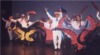
" Punto Sancarleño" dance speaks of the men who go
to the town festivities without their wives; with the natural consequence
of marital conflict. However, the man with suppllication an affection,
manages to convince the woman, ending in an affectionate and loving
situation where both afterwards head out to the taurine celebrations
giving birth to the "Fiesta Brava Sancarleña" dance.
|
|
Traje del Pacífico Central(Puntarenas)
Esta región se refiere a la parte norte de la provincia de Puntarenas,
muchos de sus trajes se parecen a los que se usaban en el Valle Central aunque
más variados.
|
|
PUNTARENAS La Perla del Pacífico. Es para
nosotros los costarricenses una digna representante de uno de los
sentimientos más profundos de ser humano, el amor.
Puntarenas is the "Pearl on the Pacific ". In the 1950's it was the place chosen by our grandparents to spend their honeymoon, leaving the capital city on board the Pacific Electric Train. Due
to its geographical and touristic condition, it has been the inspiration
for many Costa Rican composers to write about love in great songs
such as "Recordando mi Puerto" and "Puntarenas". |
| LIMON Sus pobladores fueron traídos
a nuestro país para construir el Ferrocarril al Atlántico,
dedicándose también a la siembra del banano.
Conserving their customs and traditions live, these fellow countrymen give our country a multicultural characteristics. Limon's best quality is its people.
|
|
Traje Laboral de la Meseta Central En todo el Valle Central, durante las labores diarias hombres y mujeres, se vestían sencillamente. Danza de la Meseta Es
la recopilación de danzas propias de esta región con canciones de
compositores como Mario Chacón, que ha compuesto aproximadamente 300 canciones,
de las cuales hay grabadas unas 30, en las que canta a nuestro país, nuestro
folclore y a sus mujeres.
|
|
MESETA CENTRAL
Nuestra Costa Rica ha recibido muchas influencias siendo su cultura la suma de todas ellas. Con un recorrido de algunas costumbres pretendemos rescatar algunos de esos elementos como la belleza de la mujer costarricense, leyendas como el Cadejos, la Llorona, nuestra flor nacional (la Guaria Morada), bebidas y comidas tradicionales(agua dulce, gallo pinto, tamales), la música de la cimarrona que se caracteriza por ser improvisada y se utiliza aún hoy día para animar las fiestas patronales, las mascaradas y diferentes eventos de nuestros pueblos.
|
| COLONIA El haber recibido imposición
de tradiciones y costumbres durante el encuentro de los dos mundos
y la adaptación de las ya existentes, dieron como resultado
el inicio de la formación del actual costarricense.
THE COLONIAL TIMES The imposition of traditions and customs by the Spaniards during the colonialism, and the adaptation of the native traditions and customs, resulted in the formation of the contemporary Costa Rican. The first manifestations developed in the first city constructed by the Spaniards; Cartago, wich was also Costa Rica's first capital city. At the turn of the century, in many of our cities, specially in the Central Valley, on Sundays, after mass, our youg men and women walked around the park kiosk to the sound of the municipal bands, in search of their lives. This was called a "retreta". Some
"retretas" were dedicated to some of the townpeople such
as the Governor or the priest.
|
|
Traje Colonial A principios de 1800 la forma de vestir del costarricense se vio influenciada por la moda europea, primordialmente las de España y Francia COLONIAL CLOTHING At the beginning of the 19th century, the Costa Rican's clothing was influenced by the European fashion specially from France and Spain. WOMEN'S CLOTHING During that era, one of the aspects that marked the sacial differences ws the clothing. A coffee-picker and a high society lady might have worn the same style of clothing, the difference depended on the quality of the threads and the accessories. A long skirt was the common attire, the most common colors were dark colors such as blue, brown, gray, purple, burgundy, dark green and black. The blouses were of cool cloths and laces, longer short loose-fitting or straight sleeves, depending on the occasion. MEN'S CLOTHING The men wore long dark-corored suit jackets and dark pants, black shores, straw hat with a black lace, white shirt and a short wide tie or neckerchief.
|
|
WOMEN'S CLOTHING
MEN'S CLOTHING A scarf around the head, on which lies a hat with tropical fruits of the region. A short shirt, pants flared at the knees, bare chest and waist and a lace around the hips.
|
|
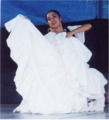
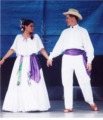
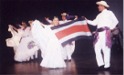
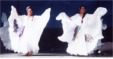
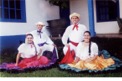
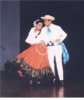
Traje de Guanacaste A Guanacaste por ser tan rico en costumbres y tradiciones se la ha querido ver como la provincia del folclore, y como tal las mujeres guanacastecas crearon a través de los años lo que hoy podríamos llamar su traje típico, el cual muchos grupos usan para bailar las danzas de esa región. CLOTHING IN GUANACASTE Being so rich in customs and traditions, Guanacaste is considered the fold province, enabling the Guanacastecan women to create what is known today as their typical clothing used by many groups for dancing the regional dances. WOMEN'S CLOTHING The regional women's clothing consisted of a satin skirt with a wider bottom, white blouse with colored laces and braided hair. They almost walked bare-foot. MEN'S CLOTHING The men's clothing consisted of white pants, a white cotton shirt, a neckerchief and handkerchiefs around the waist. They also wore a soft, white hat and walked bare-foot
| |||||||||||||||||||||
|
GUANACASTE Es
una provincia de gran aporte a nuestro folclore, rico en muchas dimensiones
como la música, danza, tradiciones orales, vestimenta y comidas
típicas. |
| GUANACASTE
The
province of Guanacaste has richly contributed to our folklore, music,
dance, craftsmanship and oral tradition. |