ที่นี่เจียงฮาย.. สุดยอดแดนสยามเจ้า
Home | Gallery | Search | Link | Guestbook | About us
Peoples : Hill Ttribes

Khon Muang
Basically Hung-lae curry is a sweetened curry made with hung-lae curry-paste, coconut milk and thick pork. But the original recipe of Chiang Saen hard-to fine hung-lae is unique. It calls for additional ingredients: pickled bamboo shoots, string beans, green eggplants, fried sesame seeds and tamarind.

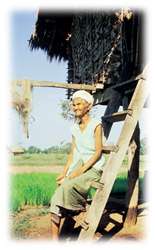
The biggest ethnic group in Chiang Rai is Tai Yuan, which means City people , who live on the plains. Most of them came from Chiang Mai, Lamphun, Lampang, and Phrae. They usually build their homes as a one-storied house on high poles, with beautifully carved wooden gable-decorations called La-Lae . Agriculture is their main profession. They are excellent craftsmen, very keen on wood carving, weaving, lacquerware making, and instrument making. Their major musical instruments are phin pia, sa-lor, sueng, pi-nae, and klong.

The festivals that these people observe are similar to those maintained by people in the Central Plains, such as Songkran , and Loi Krathong. Some other rituals are their local practices , such as a ceremony to bless people at a crucial time of their life to bless someone with longevity, and to make merit to area temples.

Tai Yai
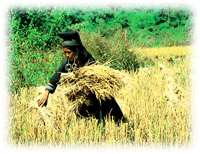
The ethnic group who call themselves Tai (called ngiao by the Thais) moved from Shan State in Myanmar and came to settle in Mae Chan, Mae Sai, and Mae Fa Luang. They grow rice, farm , raise cattle, and trade. Their craftsmanship includes weaving, pottery, wood carvings, and making bronze-ware. They observe several practices similar to those of the Central Thai, such as Songkran, and other Buddhist festivals including wisalhapucha ( when Buddhists commemorate the birth, enlightenment, and death of Buddha which fell on the same lunar day).

..Go Top

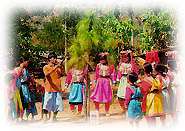
..........Several ethic minorities constitute the demographic composition of Chiang Rai, These period came to settle down in this region over hundred years ago after several decades of the city's depopulation. The first groups to come were Tai Yai, Tai Lue, Tai Khoen, and Tai Yuan (or Khon Muang). In 20th century, several tribal peoples from China scattered themselves along the mountain ranges of Chiang Rai. The last group to come was Chinese refugees, members of the Chinese 93rd infantry of Kuomintang

คนเมือง
นับเป็นกลุ่มใหญ่ที่สุด ในอดีตถูกเรียกว่า ไทยยวน หรือลาวพุงดำ ลักษณะทางกายภาพและพันธุกรรม จัดอยู่ในกลุ่มชาติพันธ์มองโกลลอยด์ (Mongoloid) ผู้ชายจะมีรูปร่างบางกว่าคนไทยในภาคกลางเล็กน้อย ผู้หญิง มีรูปร่างผิวพรรณและหน้าตางดงาม มีภาษาพูดที่แตกต่างไปจากไทยภาคกลางเล็กน้อย มีตัวหนังสือเฉพาะแต่ในปัจจุบันได้หันมาใช้อักษรไทยกลาง แทนการแต่งกายพื้นถิ่นหญิงนุ่งผ้าซิ่นยาวเกือบถึงตาตุ่ม ใส่เสื้อแขนกระบอกห่มสะไบ เกล้าผมทัดดอกไม้ ชายนิยมนุ่งกางเกงขายาว ใส่เสื้อคอกลมแขนสั้นสีครามเข้ม มีผ้าขาวม้าคาดเอว อาศัยในบ้านเรือนยาใต้ถุนสูงหน้าจั่ว มีไม้ไขว้กันประดับประดาด้วยลวดลายเรียกว่า กาแล นอกจากอาชีพทำการเกษตรแล้ว ยังมีความสามารถในการหัตถกรรม อาทิเช่น เครื่องเหล็ก เครื่องไม้แกะสลัก เครื่องเขิน เครื่องจักสาน เครื่องเงิน ทอผ้า ทำร่มเครื่องดนตรีที่สำคัญได้แก่ เปี๊ยะ สะล้อ ซึง ปี่ แน กลองนาฏศิลป์พื้นบ้านมีการฟ้อนเมือง ฟ้อนม่าน ฟ้อนเงี้ยวการขับร้องและขับลำทีเรียกว่า ซออู้สาว และค่าวซอ ปอยหลวง ประเพณีเรียกขวัญ สืบชะตา สงเคราะห์ ทานตุง ใส่บาตรเป็งพุธ เป็นต้น
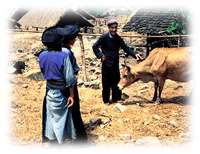

ไทใหญ่
เรียกตัวเองว่า ไต ถูกคนเมืองเรียกว่าเงี้ยว และพม่าเรียกว่าฉาน ซึ่งตามภาษาพม่าแปลว่าคนภูเขา เนื่องจากรัฐฉานอันเป็นถิ่นฐานของไทยใหญ่ ในปัจจุบันอยู่ในเทือกเขาทางทิศตะวันออกเฉียงเหนือ ของประเทศสาธารณรัฐสังคมนิยมแห่งสหภาพพม่า ลักษณะทางกายภาพและพันธุกรรมจัดอยู่ในกลุ่มชาติพันธ์มองโกลอยด์ (Mongoloid) เช่นเดียวกับคนไทย ผู้ชายรูปร่างสูงใหญ่กว่าคนไทย โปร่ง แต่แข็งแรง มือเท้าเล็กผู้หญิงมีรูปร่างหน้าตางดงาม ผิวคล้ำกว่าหญิงพม่าเล็กน้อย หน้าตาเฉลียวฉลาดมีภาษาที่พูดแตกต่างไปจากคนเมือง และไทยภาคกลางเล็กน้อย มีตัวหนังสือเฉพาะตน การแต่งกายพื้นถิ่นหญิงนุ่งผ้าซิ่นยาวเกือบถึงตาตุ่ม ใส่เสื้อแขนกระบอกเข้ารูป เกล้าผมมวยโพกศีรษะด้วยผ้า เจาะหูใส่ตุ้มหู ชายใส่เสื้อแบบจีน นุ่งกางเกงขายาว ไว้ผมยาวและเกล้าผมมวย สวมหมวกปีกว้าง เจาะหูใส่ตุ้มหูเช่นเดียวกัน อาศัยในบ้านเรือนยกใต้ถุนสูง มีไม้แกะสลักประดับ นอกจากอาชีพทำนา ทำไร่แล้วยังชอบค้าขาย มีความสามารถในการเพาะพันธ์สัตว์โดยเฉพาะม้า และงานหัตถกรรม ได้แก่ ทอผ้า เครื่องปั้นดินเผา เครื่องแกะสลักงาช้างและไม้ เครื่องทองเหลือง กระดาษจากต้นข่อย เครื่องดนตรีสำคัญได้แก่ ฆ้อง กลอง ฉาบ นาฏศิลป์พื้นบ้านมีการเต้นโต ฟ้อนนก ประเพณีสำคัญคล้ายคนไทย เช่น ตรุษสงกรานต์ และพิธีทางศาสนาพุทธ เช่น วันวิสาขบูชา เป็นต้น

..กลับสู่ด้านบน


Akha ( I-ko )
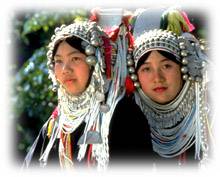
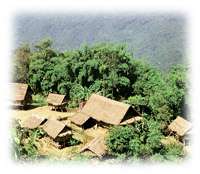
The biggest tribe in Chiang Rai, calling themselves akha , came from Yunnan in China to settle along mountain ranged in many districts. They like to live on high grounds, about 1,200 meters above sea level. They also build a village gateway or Pratu-phi ( gateway of spirits called Phi) to protect the village. This is styled with a symbolic sword and arrow, believed to ward off evil spirits and ghosts, I-ko still believe in the spirits. Their major festivals are the swing ceremony and Lunar New Year celebrations.

Their use of herbs seems less mixed with magic and the spirit world than it is with the other hill-tribes, altogether a more pragmatic approach. They use the chopped roots and leaves of Kai Yoh and Mayom Manae as an ointment for inflammation. The roots of Udja are mashed with water to help the comatose to recover consciousness by oral application. A boiled infusion of the roots of Ya Oo and Ya Ne ease stomachache, while the chopped leaves of Ya Ga Pa Ya are used to help cuts to heal.


Tai Lue
From the Mehong basins in the Sip Song Pan Na region in China, this ethnic group migrated to Central Chai Buri in Laos and then to Chiang Rai . they settle down around Wiang Kaen and Chiang Khong. Their abode is usually a one-room wooden house built on high poles. They are weaving experts who make beautiful long tungs (flags) for area temples annually. Other festivals they observe are Songkran, food-basket donations and poi-luang (big functions).

Lahu (Musor)
Like I-ko , Lahu came from Yunnan to live in the high mountains. Their biggest communities are on Doi Tung. They are expert hunters and planters. They also worship spirits. They celebrate New Year and the new rice season.

The Lahu people have a basic philosophy that centers on blessings, and they are consequently a religious people with their own gods, though about 30% of them have converted to Christianity. They always hope for a better future and strongly stress unity and equality.

They believe that a healing herb cannot be cultivated and that for full efficacy it must be plucked from the wild, which may have caused problems during their southward migration, as native flora changed. All the parts of Ya Gae Oo, the whole plant of Ya Gae Ton except for the leaves, and the leaves of Mae Je Kai are boiled together to make an infusion to restore a new mother back to strength. Mai Phi Pha is used as a appetizer, while the sap and flowers of Gin Nor Ma are an inedible herbal fumigant.

Mien (Yao)
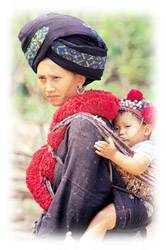
....The mien people came from Yunnan and Kwang-si to settle along mountain sides, growing corn and other crops. They are expert blacksmiths, silversmiths and embroidery. They most like the Chinese, with high endurance and diligence. Their dialect is like the Hmong's. their New Year celebration includes the self-mortification ritual of fire-walking.


Yao are quite a small group, comprising about 8% of the hill-tribe population. They believe that 4 different spirits live in the herbs that they use, but a chicken must be sacrificed for the spirits to reveal and release the healing properties of the herbs.

Pae Lin is infused in boiling water and drunk as a specific for aching joints. For problems of the urinary system a mixture of the leaves of Jan Tai Ja, Bong Sin, Bok Jai Meuy and Goo Jong Meo is infused in boiling water, and the resulting liquid. The last two mentioned of these herbs are used together as an infusion in boiling water to help women who are childless.

..Go Top

อีก้อ
เรียกตัวเองว่า อาข่า (Akha) เป็นแขนงหนึ่งของชนเผ่าธิเบต-พม่า รูปร่างเล็กแต่ล่ำสัน แข็งแรงผิวเนื้อสีน้ำตาลอ่อน และกร้าน ผู้ชายสูงกว่าผู้หญิง ผู้หญิงมีศีรษะกลม ลำตัวยาวกว่าน่องและขา แขนและขาสั้นผิดกับผู้ชาย มีภาษาพูดจากแขนงชาวโล-โล (Lo-Lo) คล้ายกับภาษามูเซอ และลีซอ ไม่มีตัวอักษรใช้การแต่งกาย ผู้หญิงนิยมไว้ผมยาวแต่จะรวบรวมผมไว้ แล้วใส่หมวกทับ หมวกนี้ประดับประดอยอย่างสวยงาม คดสวมใส่เครื่องประดับ เสื้อผ้าเป็นสีดำ เสื้อชั้นในใช้ผ้าดอกไว้ แล้วสวมเสื้อแขนยาวผ่าหน้าทับอีกชั้นหนึ่ง ด้านหลังเสื้อปักลาดลายสวยงาม กระโปรงนิยมนุ่งกระโปรงสั้นต่ำกว่าสะดือ ขาพันด้วยสนับแข็ง ชายโกนหัวไว้ผมเปีย สวมเสื้อคอกรมแขนยาว และกางเกงสีดำ อาศัยอยู่ในบ้านเรือนยกใต้ถุนสูง มักจะตั้งหมู่บ้านอยู่สูง 1,200 เมตรขึ้นไป ทำไร่เลื่อนลอยและปลูกฝิ่น หน้าหมู่บ้านมีประตูเรียกว่า "ลกค่อ" เสาชิงช้าและลานสาวกอด สำหรับหนุ่มสาวเกี้ยวพาราสีกัน อีก้อนับถือผี ประเพณีสำคัญได้แก่ งานฉลองปีใหม่ พิธีโล้ชิงช้า

ไทลื้อ
เป็นกลุ่มชนที่มีถิ่นฐานเดิมอยู่ในที่ราบลุ่มแม่น้ำโขง และสาขาตอนกลางและตอนบน ตั้งแต่แขวงไชยบุรี ประเทศสาธารณรัฐประชาธิปไตยประชาชนลาวขึ้นไป


มูเซอ
เรียกตัวเองว่า ลาฮู(Lahu) สืบเชื้อสายมากจาพวกโล-โล (Lo-Lo) รูปร่างสัดทัด ผิวสีน้ำตาลอ่อนคล้ำกว่าม้ง หรือเย้า ผู้หญิงตัวเล็กกว่าผู้ชายเล็กน้อย ชอบกินหมาก มีภาษาพูดเฉพาะตัวแต่ไม่มีตัวอักษรใช้แบ่งออกเป็นกลุ่มย่อยๆ หลายกลุ่มตามลักษณะการแต่งกายของฝ่ายหญิง และภาษาพูดที่ใช้จะมีความแตกต่างกันเล็กน้อย ผู้หญิงมูเซอแดง และมูเซอชีจะแต่งกายคล้ายกัน คือไว้ผมยาวเกล้าผมแล้วโพกด้วยผ้าสีดำ สามเสื้อตัวสั้นแขนยาวสีดำประดับด้วยผ้าแดง ผ้าซิ่นสีดำสลับแดง แต่ผู้หญิงมูเซอชีจะมีเครื่องแต่งกายพิเศษสำหรับแต่งในวันรื่นเริงของหมู่บ้าน ผู้หญิงมูเซอดำ ใส่เสื้อแขนยาวลำตัวยาวถึงครึ่งน่อง กางเกงและสนับแข็งสีดำ สำหรับผู้ชายนั้นไม่มีสัญลักษณ์ประจำเผ่าแบบผู้หญิง โดยทั่วไปสวมเสื้อผ่าอก และกางเกงสีดำ อาศัยอยู่ในบ้านยกพื้นสูง มักจะตั้งบ้านเรือนในระดับสูง 1,200 เมตรขึ้นไป ทำไรเลื่อนลอยและปลูกฝิ่น และยังชำนาญในการล่าสัตว์ มูเซอนับถือผีมีประเพณีที่สำคัญ ได้แก่ งานฉลองปีใหม่ งานกินข้าวใหม่

เย้า
เรียกตัวเองว่า เมี่ยน(Mien) เป็นชนชาติเก่าแก่เชื้อสายตระกูลจีน-ธิเบต รูปกายและผิวพรรณคล้าย คลึงกับคนจีนมาก ความสูงเฉลี่ยเท่ากับคนไทยโดยทั่วไป ผู้หญิงมีรูปร่างหน้าตาค่อนข้างสวย นิสัยขยันขันแข็ง ทรหดอดทน รักสงบ ไม่ดุร้าย ชอบรับแขก มีภาษาพูดเฉพาะตัว สัมพันธ์ใกล้ชิดกับภาษาแม้ว และได้รับอิทธิพลจากภาษาจีนเช่นเดียวกัน ไม่มีตัวอักษรใช้ ต้องยืมอักษรจีนมาใช้เขียนเป็นภาษาเย้า อ่านออกเสียงแบบเย้า


การแต่งกายผู้หญิงเย้าจะทาผมด้วยขี้ผึ้ง และโพกศีรษะด้วยผ้าที่ปักลายอย่างงดงาม สวมเสื้อแขนยาวสีดำ หรือน้ำเงินเข้ม ผ่าหน้า ยาวถึงข้อเท้า ชายเสื้อด้านหน้าเป็นแฉกใช้พันรอบเอว คอเสื้อประดับไหมพรมสีแดง สวมกางเกงขายาว ปักลวดลายด้านหน้างดงาม ผู้ชายใส่เสื้อดำอกไขว้แบบเสื้อคนจีนยาวคลุมเอว กางเกงขายาวสีดำปลายขาขลิบแดง บ้านเย้ามักจะปลูกคร่อมดินเช่นเดียวกันกับแม้ว ตั้งหมู่บ้านอยู่บนไหล่เขา ทำไร่เลื่อนลอยปลูกข้าว ข้าวโพด ฝิ่น แต่เดิมเย้าได้ชื่อว่าเป็นผู้ชำนาญในการปลูกฝิ่นมาก นอกจากนั้นยังมีความสามารถในการตีเหล็ก การทำเครื่องเงิน และเย็บปักถักร้อย จึงมีรายได้สูงรองจากพวกฮ่อลงมา เย้านับถือผี มีประเพณีที่สำคัญได้แก่ เช่น งานปีใหม่

..กลับสู่ด้านบน

Karen (Kariang, Yang)
The smallest group, Paka Koeyo have settled in Mae Chan, Mae Suai, Wiang Pa Pao, and Muang district in bands such as karen sa-ko, karen-po, and ba-weh. They like to live in the valleys and along the riverbanks.


The Karen has the largest population of any of the hill-tribes in Thailand. Their true origins are also hardest to trace historically as they have no remaining ancestral roots left in China. Above all they prize harmony in their lives and try to avoid conflict where possible, yet when their harmony is intruded upon deliberately and continually they will fiercely defend the independence that harmony is intended to provide them. Karen traditional healing involves using chicken bones to predict whether the illness comes from evil spirits, as this will influence the healing process, and will determine whether a healing ceremony is necessary. Prae Por is used as a cure for heat stroke, the leaves being rubbed between the hands and the vapor inhaled. The roots of Tee Ta Boi are boiled to make an infusion that is used as a cure for diarrhea.

Strange names and strange ceremonies, and the common complaints are simple ones, cuts and bruises, heat stroke, diarrhea, aching joints and childbirth. The tribes-people pay special attention to the health of the vulnerable, children the elderly and mothers at childbirth. The hill-tribe medicines are often mixed with foods to aid their efficacy. By and large the villagers try to maintain happiness within their society, laughter after all being a good medicine. Warm houses, well ventilated by breezes to keep mosquitoes away, and plentiful supplies of clean water are considered basic needs of any hill-tribe village and of course contribute to good health. Their health care is very much derived from pragmatism and wisdom, things that more modern societies have forgotten.

Lisu (Lisor)
Unlike others, this group came from Salawin basin in China. They build houses on high poles and on the ground. They grow corn and rice. Men are also expert hunters. They believe in spirits and celebrate New Year too.

Lisu are numerically the smallest of the hill-tribes, but are outgoing and colorful. They are probably the most recent of the migrant tribes, having arrived from Burma in the 1920s. Their main belief is that of primacy, with the establishment and maintenance of patrilineal clans within the tribe of paramount importance. This being so, the ceremony of marriage and its associated courtship are considered very important and no expense is too great.

Their herbal cu7res are combined with magical spells that must be spoken along with use of the herb itself if the cure is to be effective. Soke Wa is their cure for heat stroke, used applied to the top of the head or rubbed and inhaled. For aching bones, Cher La is dramatically used. A cut is made around the aching area until blood wells up and then a poultice of the chopped leaves is put over the wound. Hoo Sa leaves are boiled with chicken to make a soup for new mothers to help rebuild their strength. Boiled leaves of Tang Hui make an infusion which is a potent blood tonic.


Hmong (Maeo)
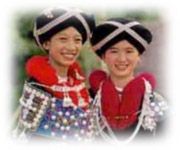
From southern China, they build their houses on high grounds and raise livestock , and grow rice, corn, tobacco and cabbages. They are also expert silversmiths and embroidery. Their rituals are related to birth, marriage , death, funerals and mourning.

second largest of the tribes in Thailand, are renowned for their fierce independence and it is perhaps not surprising that they have resisted modern medicine for so long. They are also industrious people and their farms are productive and commercially successful. This success has brought them closer to mainstream Thai society than the other tribes and now they selectively absorb such elements of the modern world as can usefully help their enterprises without compromising their independence.

Chin Ho
These former members of the Chinese 93rd infantry came to take refuge in the northern areas starting in 1961 . Their biggest villages are on Doi Mae Salong, Doi Wawi and Doi Pha Tang. Their traditions are like those of the Yunnan Chinese.

กะเหรี่ยง
จัดอยู่ในตระกูลธิเบต-พม่า (Tibatan-Burmese Stock) โดยทั่วไปมีความสูงปานกลาง ผู้ชายมีรูปร่างดี แข็งแรง สัดทัด ช่วงขาใหญ่ ขาสั้น แต่ได้สัดส่วนกับร่างกาย ผู้หญิงมีรูปร่างสมบูรณ์ เรือนกายตั้งตรง เพราะต้องแบกของหนักไว้บนศีรษะ หรือบนหลังเสมอ ผิวของกะเหรี่ยงจะแตกต่างกัน ตั้งแต่สีเหลืองไปจนถึงน้ำตาลคล้ำ แต่ก็มีรูปหน้ากลมแบนเหมือนของชนเผ่ามองโกเลีย โดยทั่วไปแบ่งย่อยออกเป็นหลายเผ่า ภาษามีความใกล้เคียงกัน แต่ไม่สามารถจะเข้าใจกันได้ การแต่งงานแล้วจะสวมเสื้อสีน้ำเงินเข้ม นุ่งกระโปรงสีแดงลายตัดพร้อมโพกผ้าแดง กะเหรี่ยงโปว ผู้ชายแต่งกายเหมือนชาวนาไทย ผู้หญิงที่แต่งงานใส่เสื้อแดงแบบพวกสะกอ แต่มีลำตัวยาวกว่า และใส่กระโปรงสีดำหรือน้ำเงินเข้ม ผู้หญิงที่ยังไม่แต่งงานจะใส่เสื้อคลุ่มยาว เย็บปักด้วยลวดลาย และลูกปัดอันงดงาม กะเหรี่ยงโบว ผู้ชายนุ่งกางเกงขึ้นสีแดง โพกศีรษะ นิยมสักรูปต่างๆ ที่แผ่นหลัง

ส่วนผู้หญิงจะนุ่งกระโปรงสั้นมากและสามกำไลที่ข้อเท้า กะเหรี่ยงสร้างบ้านยกใต้ถุนสูงอาศัยอยู่บนภูเขาจะปลูกข้าวไร่ที่สำคัญ กะเหรี่ยงส่วนใหญ่ไม่นิยมปลูกฝิ่น กะเหรี่ยงนับถือถือผี บางกลุ่มได้หันมานับถือศาสนาพุทธ และคริสต์


ลีซอ(Lisu)
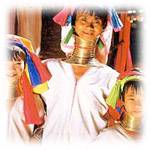
สืบเชื้อสายมาจากธิเบต-พม่า (tibeto-Burma) ซึ่งเป็นส่วนหนึ่งของชาติพันธ์มองโกลอยด์ ลีซอมีผิวขาวมากกว่ามูเซอ ผู้หญิงจะขาวมาก และมีรูปร่างหน้าตาดี ผู้ชายมีรูปร่างบึกบึน ล่ำสันมือและเท้าใหญ่หนา เพราะต้องเดินทางมาก หน้าตากว้างกลม พูดภาษาจัดอยู่ในกลุ่ม ธิเบต-พม่า แต่ไม่มีตัวอักษรเป็นของตนเอง ผู้ชายใส่เสื้ออกไขว้หรือสีดำกางเกงสีขาว ดำ หรือน้ำเงิน ยาวกว่าหัวเข่าเล็กน้อย พันสนับ แข้ง บางคนจะสวมหมวกหรือโพกศีรษะ ผู้หญิงปกติเหล้ามวยไว้ท้ายทอย สวมเสื้อแขนยาวอกไขว้ยาวลงมาถึงหัวเข่า ตัวเสื้อติดผ้าขลิบ สีเป็นชั้นๆ ทับกางเกงยาวสีดำแล้วคาดเอวด้วยผ้าสีดำ เวลามีงานพิธีสำคัญจะโพกหัว สวมห่วงที่คอทำด้วยเงิน และเครื่องประดับเงินอื่นๆ

บ้านของลีซอมีทั้งที่ปลูกติดดินหรือยกใต้ถุนสูงแล้วแต่สถานที่ ส่วนใหญ่จะต้องตั้งหมู่บ้านอยู่สูงกว่าอีก้อและมูเซอ ทำไร่ปลูกข้าว ข้าวโพด และพืชผักอื่นๆ มักลักลอบปลูกฝิ่นมากเป็นอันดับที่สองรองจากแม้ว ผู้ชายมีความชำนาญในการล่าสัตว์มาก ลีซอนับถือผีประเพณีที่สำคัญได้แก่ งานฉลองปีใหม่ ซึ่งเป็นงานที่สนุกสนานที่สุดของลีซอ

แม้ว
เรียกตัวเองว่า ม้ง (Hmong)เป็นเชื้อสายตระกูลจีน-ธิเบต แบบเดียวกับเย้า รูปร่าง ลักษณะผิวพรรณ ท่าทางและการพูดจาคล้ายคนจีน แต่มีผิวคล้ำกว่าเล็กน้อย ผู้ชายค่อนข้างสูง ผู้หญิงรูปร่างได้สัดส่วนเป็นพวกที่ไวต่อความรู้สึก อยากรู้อยากเห็น แต่ค่อยข้างขี้อายไม่มีภาษาที่แน่นอน ส่วนใหญ่จะยืมภาษาอื่นมาใช้ ภาษาที่เป็นของตนเองมีไม่มากนัก ม้งคนละเผ่ามีภาษาที่แตกต่างกัน การแต่งกายผู้ชายม้งใส่เสื้อแขนยาวรักรูป อกไขว้เปิดให้เห็นหน้าท้องสีดำ กางเกงจีนขายาวเป้ายาวสีดำ คาดเอวด้วยผ้าผืนใหญ่สีแดงทิ้งชายข้างหน้า มีเข็มขัดเงินคาดทับ สวมหมวกครึ่งทรงกลมยอดเป็นพู่สีแดง ผู้หญิงใส่เสื้อแขนยาวผ่าหน้าสีดำ ด้านหลังปักผ้าลายเหลี่ยม เวลาทำงานอยู่กับบ้านจะใส่กางเกงขายาวสีดำ ส่วนกระโปรงจีบรอบเอว สั้นแค่หัวเข่านั้นจะใส่เฉพาะเวลามีงาน บ้านม้งสร้างติดดิน ตั้งหมู่บ้านสูง 1.5 เมตรขึ้นไป ทำไรเลื่อนลอย ปลูกข้าว ข้าวโพด ยาสูบและยาฝิ่น ม้งยังไม่ชื่อว่าเป็นนักเลี้ยงสัตว์ที่ดี รู้จักวิธีการคัดเลือกและผสมพันธ์ นอกจากนี้ยังมีความสามารถในการตีเหล็ก ทำเครื่องเงิน การเย็บปักถักร้อย ม้งนับถือผีแต่ก็มีผู้ที่หันมานับถือศาสนาพุทธ และศาสนาคริสต์บ้าง ประเพณีที่สำคัญได้แก่ การเกิด การแต่งงาน การทำบุญศพ การไว้ทุกข์


ไทเขิน
เป็นชนเผ่าไทยที่มีถิ่นฐานเดิมอยู่บริเวณลุ่มแม่น้ำขิ่นในรัฐฉาน ประเทศพม่า จึงมีชื่อเรียกว่า "ไทยเขิน" ได้เข้ามาอาศัยอยู่ในจังหวัดเชียงรายบริเวณดอยแม่สลอง

..กลับสู่ด้านบน

..Go Top
Home | Gallery | Search | Link | Guestbook | About us
Copyright © 2003, Picky Joom Radio - Power by Dream designed
Hosted by www.Geocities.ws

1