
I�ll begin by quoting from a passage in Peter Hartley�s book Brooklands Bikes in the Twenties which describes how Bert Le Vack burnt his legs on 14 August 1920:
�After a car event came the 3-lap Senior Open Motorcycle Handicap for solo machines over 500cc. The start and finish were the same as the Junior race and out of 12 starters only one failed to materialize. Bert Le Vack riding a 994cc eight-valve Indian, reputedly Charlie Franklin�s pre-war racer, picked up several places after his initial 15-second start over joint scratchmen Reuben Harveyson (998 Indian) and Eric Remington (986 NUT-JAP). By the end of the second lap Le Vack lay second behind Victor Gayford (744 Zenith-JAP), on whom he was steadily gaining. He then moved into an easy lead, winning at 80mph with Oliver Baldwin (986 Matchless-JAP) and Gayford second and third. Then, just as he crossed the line, trouble! His machine suddenly caught fire! Fortunately it was quickly put out by the red-coated Pyrene man in attendance, but not before Le Vack had sustained some nasty burns to his legs; burns that were to trouble him in years to come.�
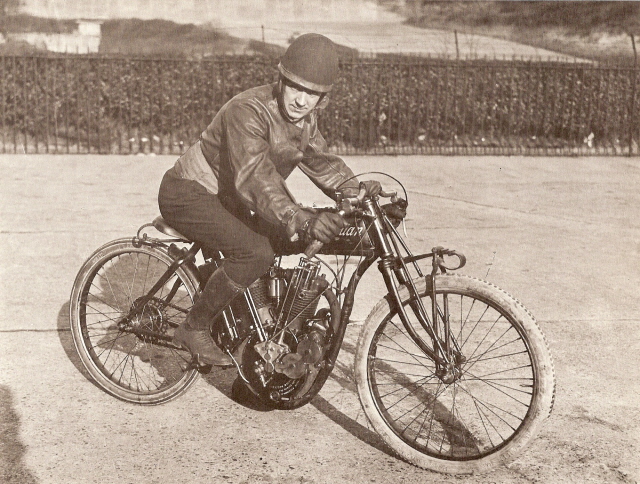
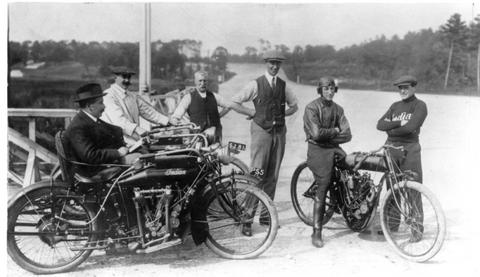
In 1922 Bert Le Vack landed a job at the JAP works experimental department and went on to become one of the greatest motorcycle riders/tuners of his age. The name that I want to highlight from the above passage is not that of Le Vack however, but rather that of Charlie Franklin.
Charles Bayly Franklin is known to aficionados of historic American iron as the Chief Designer and Engineer at the Indian factory in Springfield Massachusetts who designed the famous Scout and Chief models, and who contributed substantially to the design of their precursor the Powerplus. What is not so well known Stateside by antique motorcycle buffs is that Franklin was an expatriate Irishman whose motorcycling lore and design inspirations were acquired mainly at a place they would scarcely have heard of on their side of the Atlantic, named Brooklands.
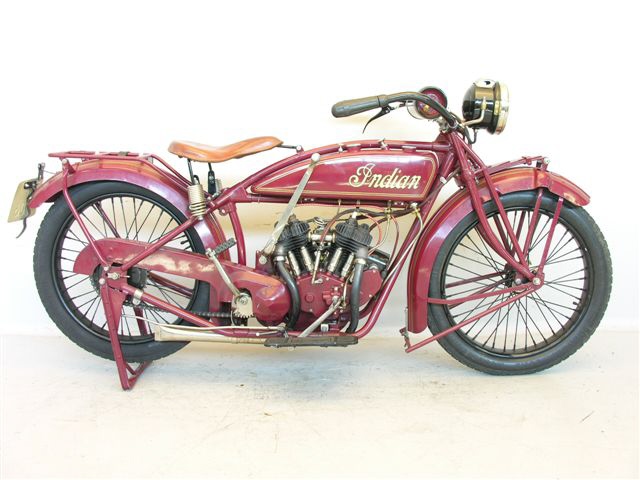
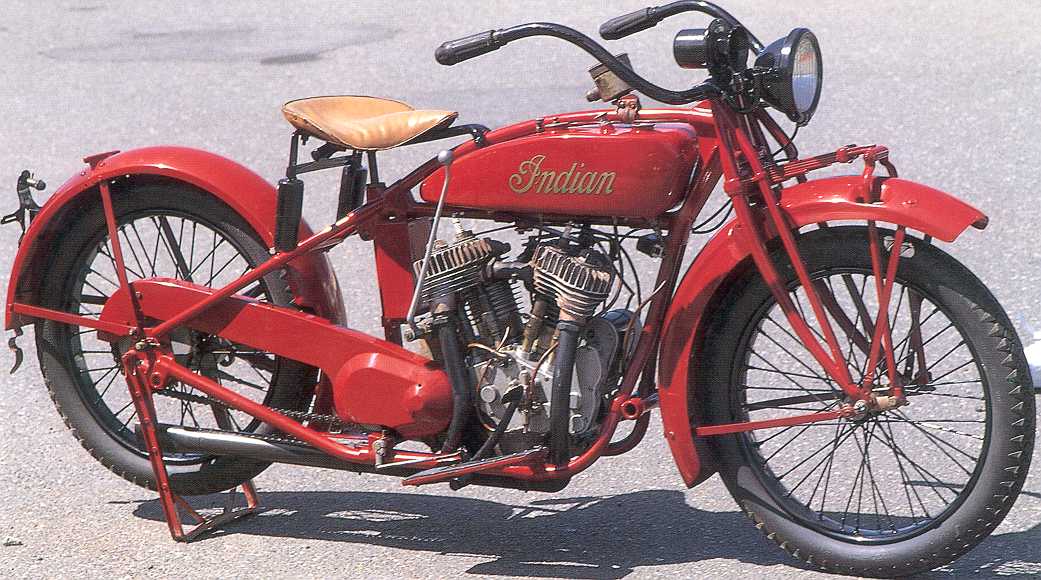
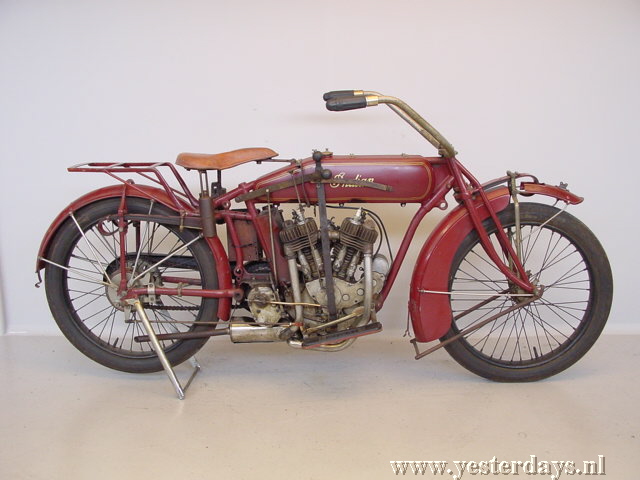
I myself became interested in the life of Charles Franklin after I got bitten by the Indian �bug� and eventually found myself the proud owner of a 1925 Chief. But finding out more about this man is extremely difficult as he is very much an unsung hero of motorcycling history.

[page 3]