


|
 |
|
 |

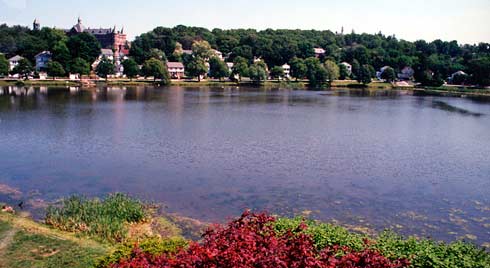
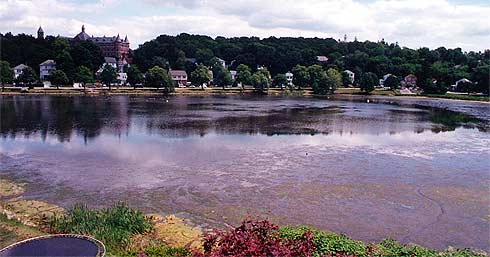
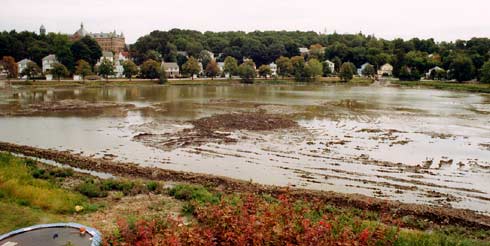
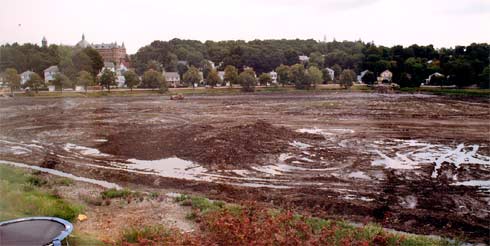
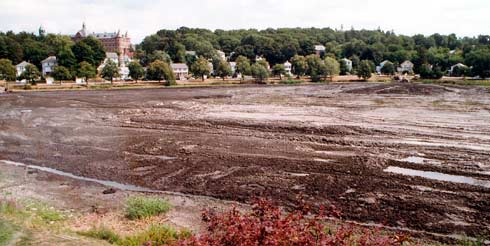
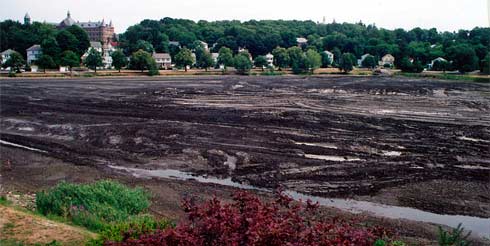
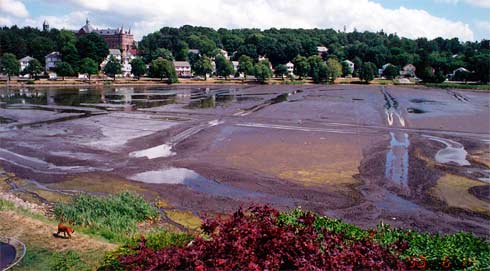
Chandler Pond has high levels of nitrogen and phosphorous which are not good for
the long term health o fthe pond and must be reduced if we hope to avoid another
dredging project. In theory this should be easy to do since the major source of
nitrogen and phosphorous is the plethora of chemicals used on the lawns and gardens
in the pond's watershed. Here are some suggestions for helping you kick the
"chemical habit":
If your lawn has grown used to a chemical diet, it will take some time to make the
transition to natural lawn care. The most important factor is the condition of your
soil. Don't expect your grass to be vibrant and lush if the soil is unbalanced and
depleted of vital nutrients. After years of chemical fertilizers, the soil probably
doesn't have much organic material in it and it may be devoid of biological activity.
Below are five steps which offer you to growing a healty, maintenance-free lawn with
minimal use of fertilizers and pesticides.
- Sandy Kilbride
Five steps to growing a healthy, maintenance-free lawn:
- Take a sample of your soil to an agricultural service to determine its contents
and condition. the Soil Testing Laboratory at University of Massachusetts in Amherst
will test soil and offer recommendations for conditioning and fertilizing. For more
information and a soil test order form, call 413-545-2311.
- Condition your soil. The soil in New England tends to be acidic, which means it
will need to be sweetened with lime but may also be lacking in other minerals and
trace elements that are necessary to sustain a healthy crop of grass. Livable soil
also contains micro-organisms beneficial to plant growth that chemical lawn products
destroy.
- Feed your lawn with organic fertilizers to produce lush and healthy grass with
good root growth that'll also choke out the weeds, dandelions and other plants that
compete with the grass for nourishments and water. Based on the results of a soil
test, the proper amounts of nitrogen (the slow-acting form), potassium and phosphorus
can be safely applied two to four times a year in the spring and fall.
- Mow properly, which means mowing less. Longer grass means more lawn surface to
absorb water and sunlight so photosynthesis can occur. It also provides shade so
the temperature of the soil stays lower and moisture doesn't evaporate so quickly.
This also cuts down on water usage. Since 58% of the nitrogen applied to your lawn
is in the clippings, leave some behind when you mow. You want that nitrogen to go
back into the soil to encourage root production and discourage crabgrass and weeds.
- An occasional walk on your lawn with aerating sandals will poke holes into the
hard packed soil so that it can absorb air and nutrients better.
 Many of the nine chemical pesticides commonly used for lawn care treatments in
Massachusetts are suspected of causing cancer, nerve damage, or birth defects.
Many of the nine chemical pesticides commonly used for lawn care treatments in
Massachusetts are suspected of causing cancer, nerve damage, or birth defects.

|
 |
|
|
|
© Copyright 2001 Chandler Pond Preservation Society. All rights reserved.
|