 Chameleon
Mace Studios
Chameleon
Mace Studios
Collection of Japanese Market 510s (Bluebirds)
Courtesy of Ebay Japan (and Eddie "RatDat" UK)
Japanese Bluebird Coupes
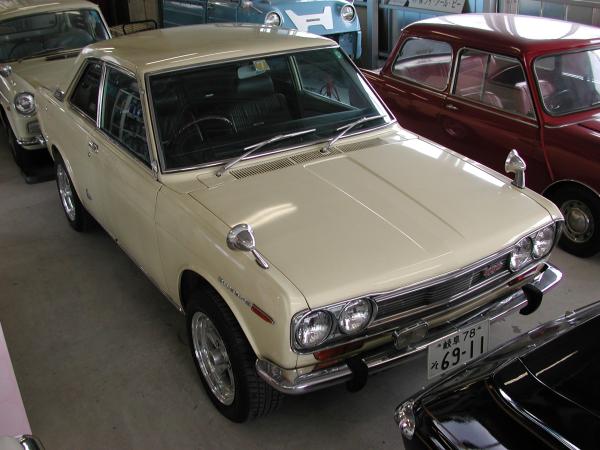
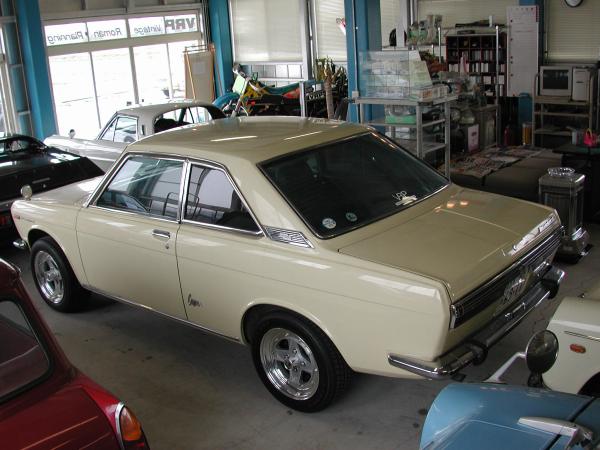
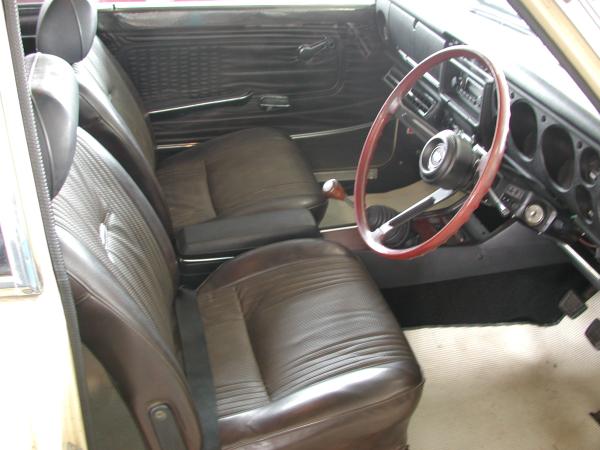 This is the highly desirable and sought after SSS Bluebird
Coupe. This is a 1971 1600SSS model. This is a very clean example, and you can identify it as a 71 by the small
black rubber bumper over riders, and the 71 1600SSS grill. The interior is different on the 71 models, and this car
has the late door panels (note the carpet along the bottom and the way the vinyl goes all the way to the top of the
door), the long console, but the seats in this car are incorrect--Coupe's did not come with a brown interior. Like
many Coupe's this car has the optional air conditioning system which is installed under the glove box. Sure like
that color... Check out that SSS steering wheel. Notice the way the back slope of the roof line is different from
ours in the states. That's stainless around the door and window frames, too. That's all SSS Coupe. See the
difference in the dash? Round gauges and more to boot! Center console finishes the front. Grille and tail facshia
are SSS Coupe unique - and demand a pretty penny in the states.
This is the highly desirable and sought after SSS Bluebird
Coupe. This is a 1971 1600SSS model. This is a very clean example, and you can identify it as a 71 by the small
black rubber bumper over riders, and the 71 1600SSS grill. The interior is different on the 71 models, and this car
has the late door panels (note the carpet along the bottom and the way the vinyl goes all the way to the top of the
door), the long console, but the seats in this car are incorrect--Coupe's did not come with a brown interior. Like
many Coupe's this car has the optional air conditioning system which is installed under the glove box. Sure like
that color... Check out that SSS steering wheel. Notice the way the back slope of the roof line is different from
ours in the states. That's stainless around the door and window frames, too. That's all SSS Coupe. See the
difference in the dash? Round gauges and more to boot! Center console finishes the front. Grille and tail facshia
are SSS Coupe unique - and demand a pretty penny in the states.
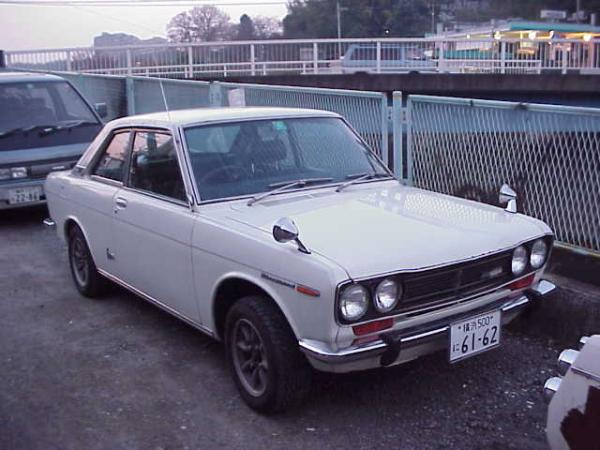
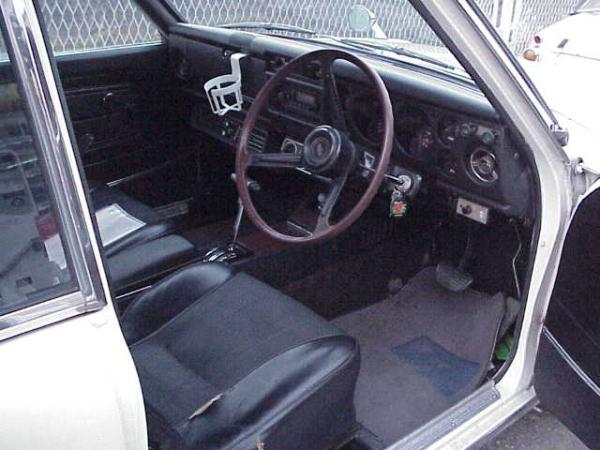 Another great example of a
Coupe. Gotta love that dash. Notice the lighted knobs on the lights
and wipers - we got those on our '73 cars.
Another great example of a
Coupe. Gotta love that dash. Notice the lighted knobs on the lights
and wipers - we got those on our '73 cars.
Japanese Bluebird Sedans
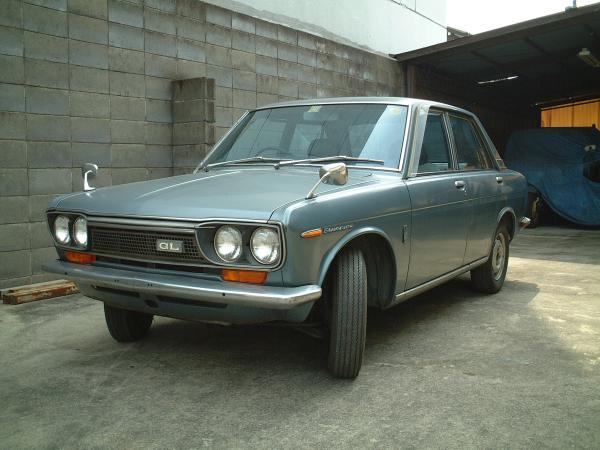
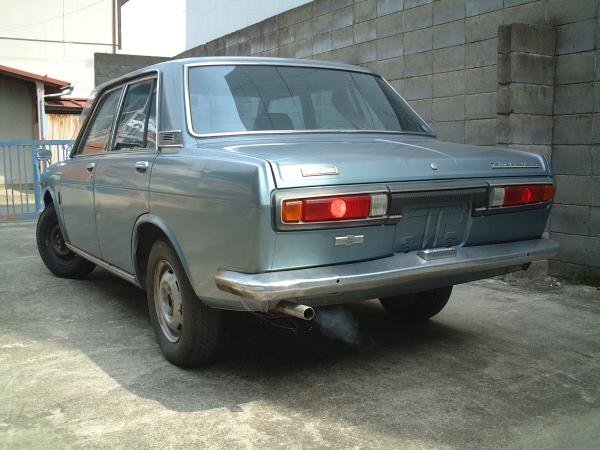
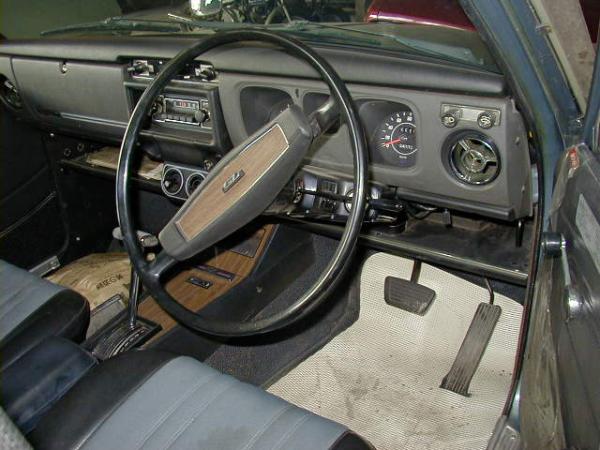 This is a 1972 GL four-door, the last of the Japanese market
510s. The GL model has many of the cool options of the SSS's, but without the performance features. If you
look at the photos of this car you will note the 72' plastic grill (ok, so not all of it is plastic, but it is a great way to identify
the grill), 72-only rear taillights and finisher, different "GL" grill, fender, and taillight badges. The 72 bumpers did
not come with over riders. The GL's have the base model stainless mirrors on the fenders, but do have the SSS
stainless trim around the windows. Also note the rear window defroster. The metallic blue is a factory color that
was offered in 1972. The interior of the 72 model cars is a little different, and this photograph illustrates several
cool features only found on the 1972 cars. Note the two-tone material on the seats is different than the standard
basketweave material that we see here. The car has the long center console typically found in the 71 Coupe's. The
car also has the center ventilator, and full length package tray, also note the flash to pass turn signal switch. The
car has the gray plastic panels on the instrument cluster and glove box door which was not seen here.
This is a 1972 GL four-door, the last of the Japanese market
510s. The GL model has many of the cool options of the SSS's, but without the performance features. If you
look at the photos of this car you will note the 72' plastic grill (ok, so not all of it is plastic, but it is a great way to identify
the grill), 72-only rear taillights and finisher, different "GL" grill, fender, and taillight badges. The 72 bumpers did
not come with over riders. The GL's have the base model stainless mirrors on the fenders, but do have the SSS
stainless trim around the windows. Also note the rear window defroster. The metallic blue is a factory color that
was offered in 1972. The interior of the 72 model cars is a little different, and this photograph illustrates several
cool features only found on the 1972 cars. Note the two-tone material on the seats is different than the standard
basketweave material that we see here. The car has the long center console typically found in the 71 Coupe's. The
car also has the center ventilator, and full length package tray, also note the flash to pass turn signal switch. The
car has the gray plastic panels on the instrument cluster and glove box door which was not seen here.
Steering wheel is different, but boring. Gauges are aligned like ours. A/C is definitely not an afterthought in this
car by the looks of it. Side markers are symmetrical, unlike our early year models'. Note the bumper mounted
license plate lamp on all models. The turn signal and ignition switch is on the opposite side of US spec cars. So if
everything else is mirrored, why are the pedals the same as ours?
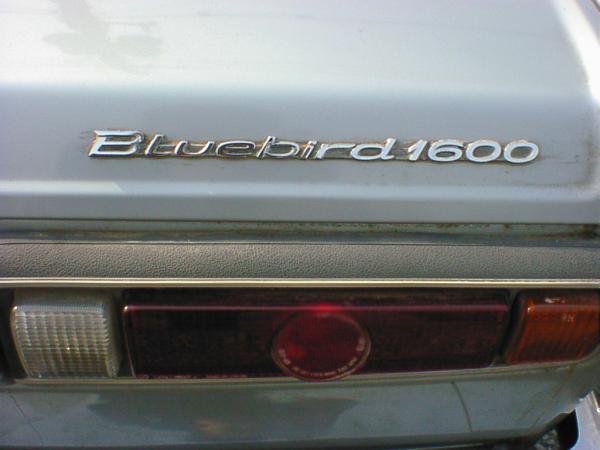
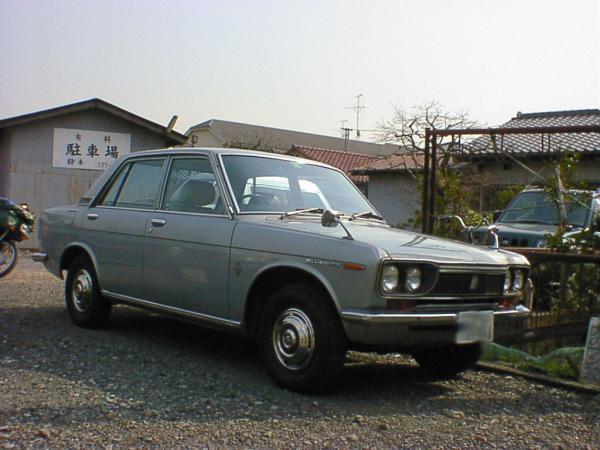
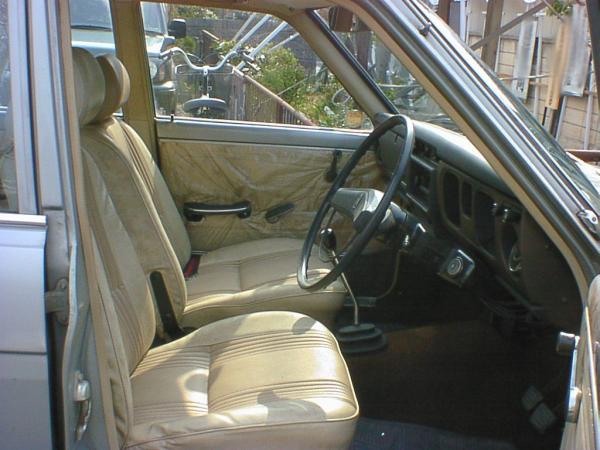 Here we have a Bluebird
1600. Take a look at that taillight. How many different designs were
coming out of Japan for these things? There's that grille again.
Here we have a Bluebird
1600. Take a look at that taillight. How many different designs were
coming out of Japan for these things? There's that grille again.
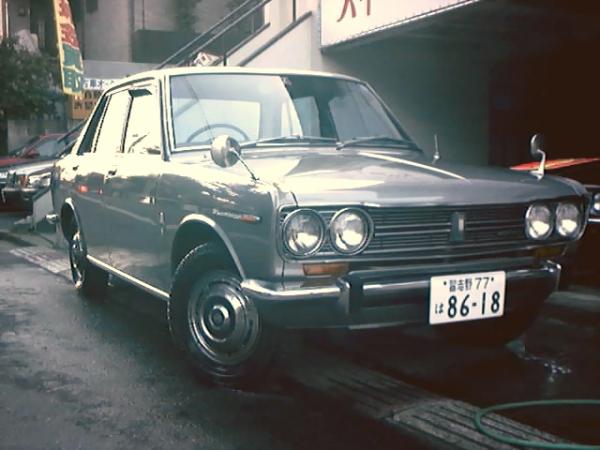
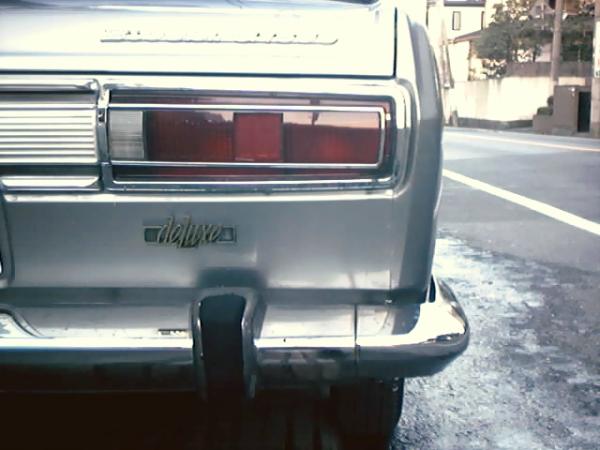
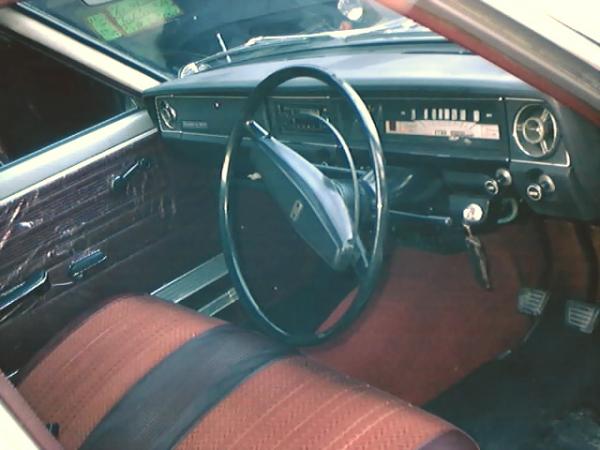 This is a 1969 DX model, and is also very clean. Now this is
the closest looking Japanese 510 to anything we have here in the States - except the bench seat. Ok, and
the Deluxe badge and rear panel trim. The silver color was an option for the Japanese market cars. The interior again
is two-tone, with a bench seat which we also did not see here. The taillight finisher, and fender mirrors are
different than the 72 model listed above.
This is a 1969 DX model, and is also very clean. Now this is
the closest looking Japanese 510 to anything we have here in the States - except the bench seat. Ok, and
the Deluxe badge and rear panel trim. The silver color was an option for the Japanese market cars. The interior again
is two-tone, with a bench seat which we also did not see here. The taillight finisher, and fender mirrors are
different than the 72 model listed above.
Japanese Bluebird Wagons
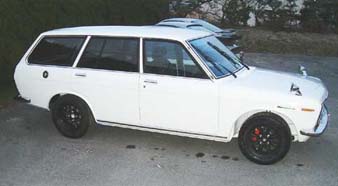
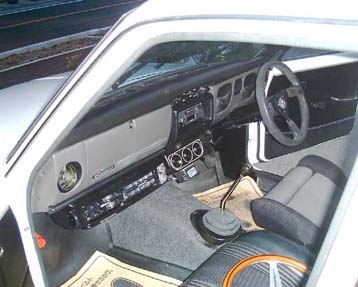
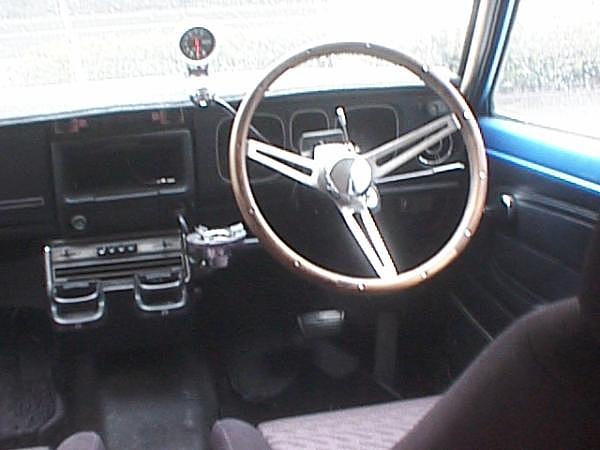
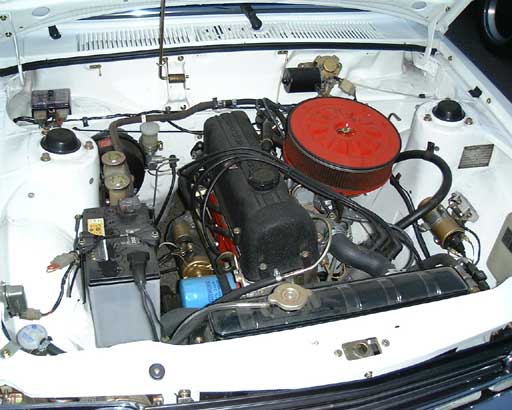 The wagon is a mix and match, but the interior shot really
illustrates how different the gray dashboard pieces look, and again this car has an air conditioner, and center
ventilator, again note the door panels, the lower half of the door actually has a carpet material. The little
red thing on the passenger side kick panel is the road flare, required equipment for Japanese market cars. The owner has
also added the SSS stainless fender mirrors (not seen on the wagons). Like many Bluebirds, the owner has also
added the eight-spoke Watanabe wheels.
The wagon is a mix and match, but the interior shot really
illustrates how different the gray dashboard pieces look, and again this car has an air conditioner, and center
ventilator, again note the door panels, the lower half of the door actually has a carpet material. The little
red thing on the passenger side kick panel is the road flare, required equipment for Japanese market cars. The owner has
also added the SSS stainless fender mirrors (not seen on the wagons). Like many Bluebirds, the owner has also
added the eight-spoke Watanabe wheels.
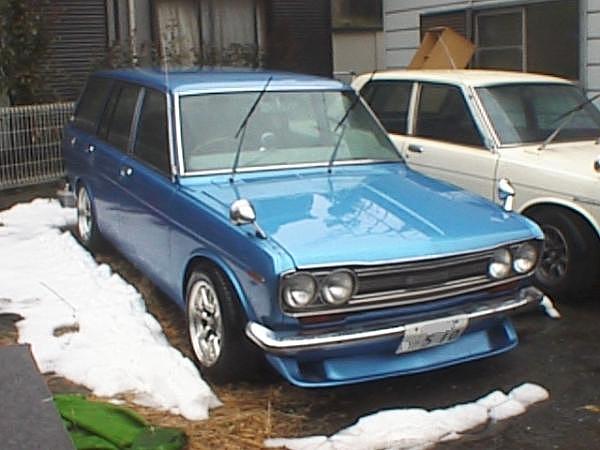

 Now this Wagon has a great
bad attitude. Love those wheels.
Now this Wagon has a great
bad attitude. Love those wheels.