 |
|
|
|
|
|
|
|
|
|
|
|
|
|
|
|
|
|
|
|
|
|
|
|
|
|
|
|
|
|
|
|
|
|
|
|
|
|
|
|
|
|
|
|
|
|
|
|
|
|
|
|
|
|
|
|
|
|
|
|
 |
|
|
Introduction
It is really suprising how many people of the Western world are not aware of the historical presence of the Byzantine Empire. This is even more suprising given that this Empire (also known as Eastern Roman Empire) lasted for 1100 years, ie it was the longest lived realm in European history.
The Byzantine empire engulfs large parts of the history of the Balkans and the Middle East and Byzantines were the first Europeans to make contact with the Arabs and the Chinese. Exotic comodities such as silk and spices were originally introduced to Europe via Byzantium.
This gallery aims to give some impression of the glory and essence of Byzantium, by presenting some of the most famous building of its capital Constantinople as they appeared in their hayday.
Source: www.byzantium1200.org |
|
|
|
|
|
|
|
|
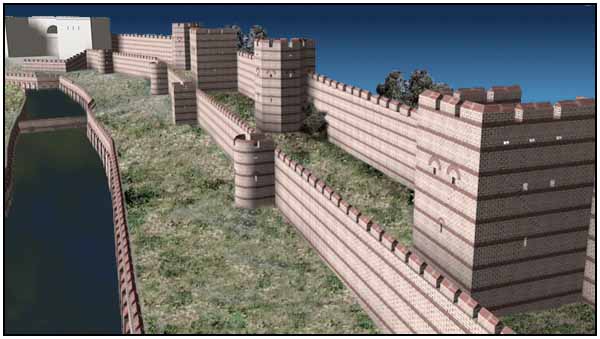
The walls of Byzantium built by emperor Theodosius protected the city for centuries. They were only breached twice in 1100 years and parts of the original fortifications exist even today. |
|
|
|
|
|
|
 |
|
|
|
|
|
|
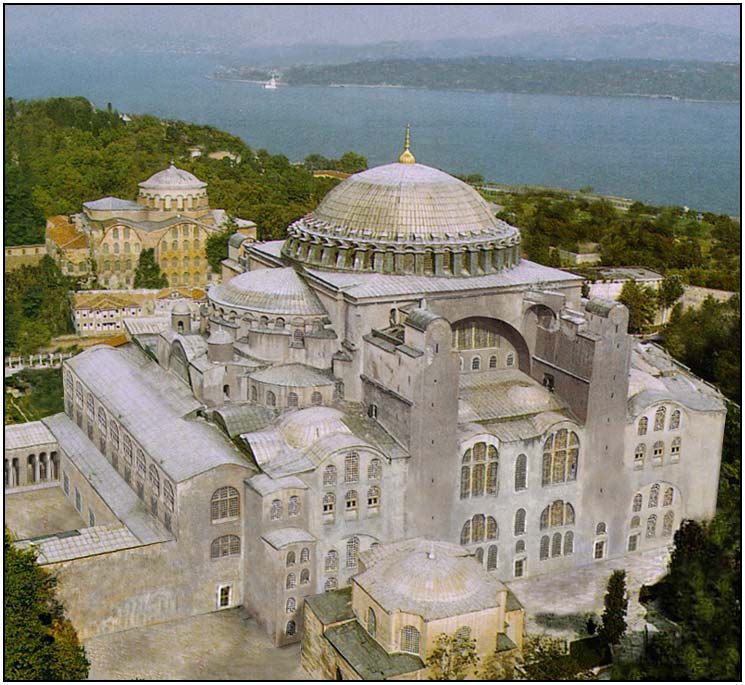
The Agia Sofia (Holy Wisdom) Church as it appeared to be in Byzantine times. Built by emperor Justinian it is one of the largest Christian temples ever built. The Ottomans converted it to a mosque and today it is used as a museum in Instabul. |
|
|
|
|
 |
|
 |
|
|
|
|
|
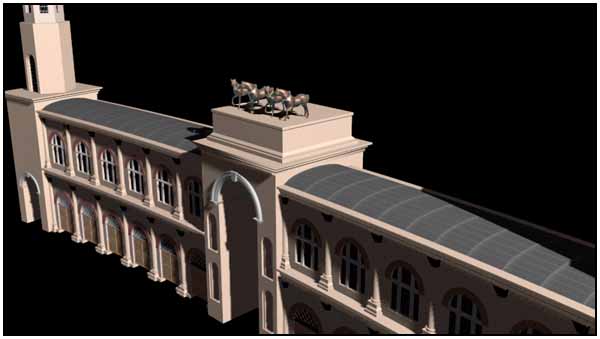
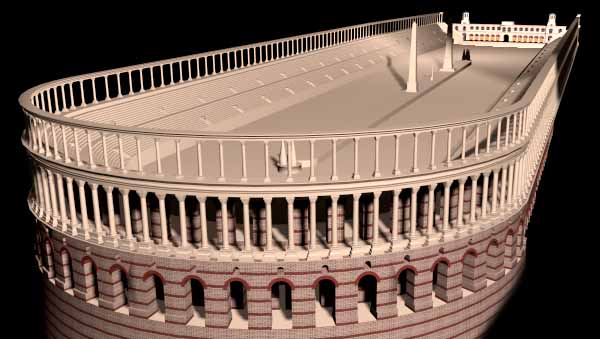
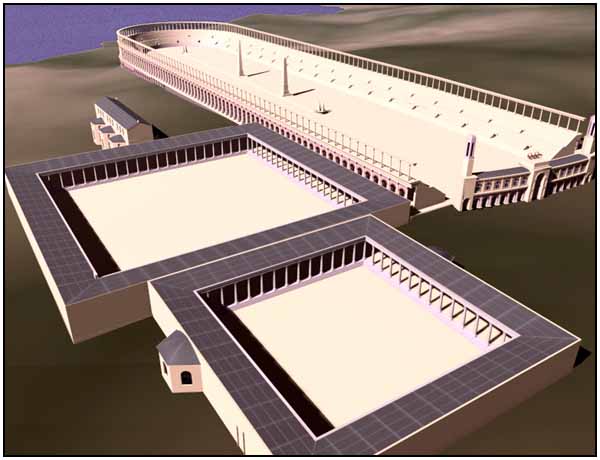
The main entertainment of the citizens of Constantinople was the Hippodrome. Every citizen belonged to one of the four factions competing in the games. The factions were the Blues (upper class faction), the Greens (middle class faction), the Reds and the Whites. Each faction sponsored a chariot that wore its colours in every of the successive races that occured in specific dates. The chariots came out the ornate boxes shown left. The bronze horses over the boxes are now adoring the Church of St Markus in Venice. |
|
|
|
 |
|
 |
|
|
|
 |
|
|
|
|
|
|
|
|
|
The Golden Gate. The emperor always left from this gate whenever he left Constantinople to lead a campaign in one of the empire's distant provinces. |
|
|
|
|
|
The Justinian column. It adored one of Constantinople's main squares. |
|
|
|
|
|
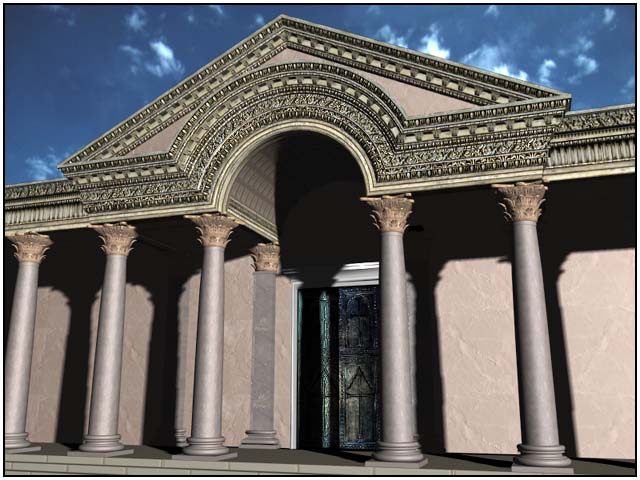
The entrance to the Senate |
|
|
|
|
|
|
|
|
|
 |
|
|
 |
|
|
|
|
|
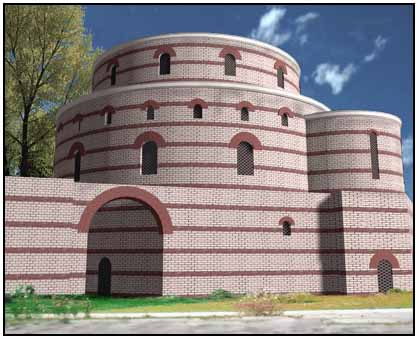
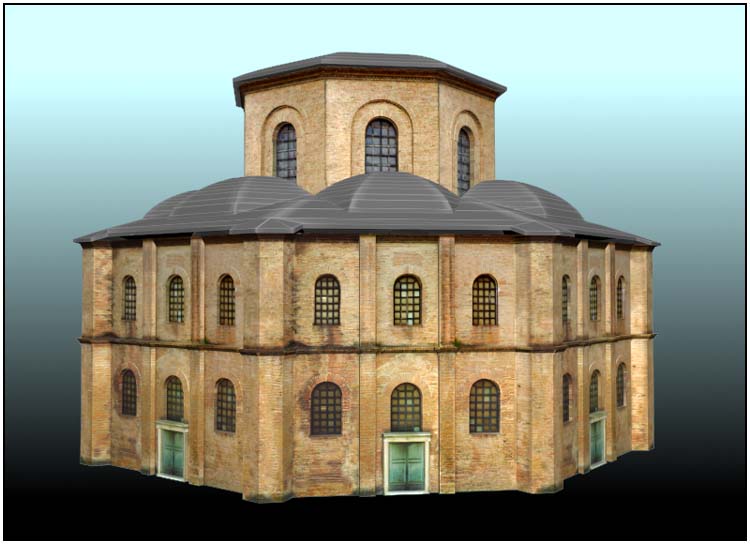
Pious as they were, the citizens of Constantinople built many Churches in their city. Above you can see the Church of St Kapros, a characteristic sample of rotonda style churches. |
|
|
|
|
Following Roman tradition, the Byzantines built numerous public baths. The baths of Zeuxippos shown above were situated near the Hippodrome. |
|
|
|
|
|
|
|
|
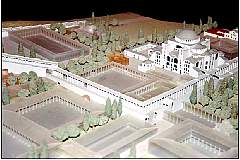
The Great Palace was a huge complex of buildings housing the Emperor, his family and numerous imperial bureaucrats. Sections of the Palace reamain unaltered to the present day. |
|
|
|
|
 |
|
|
 |
|
|
|
 |
|
|
|
|
|
|
|
|
|
|
|
|
|
|
|
|
|
|
|
|
|
|
|
|
|
|
|
|
 |
|