| Meal Blessing |
 |
|
|
|
|
|
|
|
|
|
 |
| This is another holiday that has been overlaid with Christian meanings (Easter). Eggs and bunnies are typical symbols, representing new birth and new life. Plant the seeds of long-term goals. |
| Other Names: May Day, Walpurgis Night |
| The God born at Yule is now a man, and the sacred marriage between God and Goddess is consumated. Beltane is a celebration of fertility, growth, love and passion. However you celebrate Beltane, do it with joy and happiness. |
| Litha |
| Other Names:Litha, Summer Solstice, Whitsun |
| Midsummer is the longest day of the year, and the strength of the Sun God begins to wane. The Goddess has left her Maiden form of Imbolc and is now in her Mother aspect. Refill your herb collection for the coming year. |
| Lammas |
| Other Names:Lughnasadh |
| As the first of the three harvest festivals, much of the symbolism for Lammas revolves around grains and bread. Sacrifices were common, though mostly symbolic, in order to ensure the continued success of the harvest. |
| Mabon |
| Day and night are equal again, and the weather grows colder as winter approaches. This is the second harvest festival. Rituals of thanks at this time have brought about the modern holidays of Thanksgiving. Take some time to think about what you are thankful for. |
| Other Names:Autumn Equinox, Cornucopia |
| Samhain |
| Other Names: Hallowe'en, All Hallows |
| Samhain (SOW-en) is the one Sabbat that is also widely celebrated amongst non-Pagans. The God has died, and the Goddess mourns him until his rebirth at Yule. It's the last harvest festival, and the end of the Wiccan year. |
| All times are in the Eastern Standard timezone (EST) |
| Full Moon Dates for 2006 |
| Beltane |
| Other Names: Spring Equinox, Lady Day |
| Ostara |
| IImbolc is a day to celebrate the first glimpses of Spring, and it is also dedicated to the Celtic Goddess Brigid. Non-Pagans celebrate today as Groundhog Day. Make new starts in life, as you give your home a thorough cleaning. |
| Other Names: Candlemas, Imbolg, Brigid's Day |
| IImbolc |
| The holiday of Yule was celebrated long before Christians adopted the date. Many of the Christmas traditions we see today stem from old Pagan customs. As the solstice, it is the longest night of the year. From this day forward, light begins to return and we celebrate the rebirth of the Sun God. |
| Other Names: Winter Solstice, Saturnalia, Alban Arthan |
| Yule |
| January 14th, 4:48am February 12th, 11:44pm March 14th, 6:35pm April 13th, 12:40am May 13th, 2:51am June 11th, 2:03pm July 10th, 11:01am August 9th, 6:54am September 7th, 2:42pm October 6th, 11:12pm November 5th, 7:58am December 4th, 7:24pm |
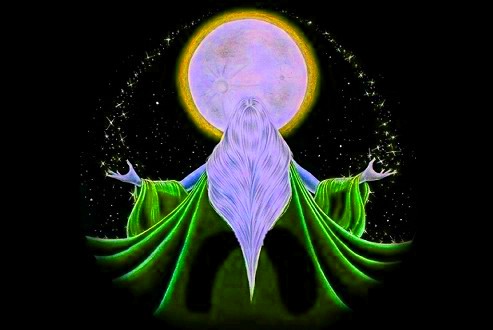
| Holy mother earth, yours is the power to grow, to destroy, to give birth. We conjure you now, by seed and by shoot, by flower and fruit, by light and by love, from below and above, in your ancient names: Kore, Demeter, Persephone. Grant us the blessings of your body. Thank you for the blessings of your body |
 |
 |

|
 |
 |
 |
|
 |
 |
 |
