A lands, titles registry can be ambiguous without necessarily being fraudulent. For example while lands titles were processed by manual methods, many of the systems and processes used must have resulted in dysfunctional filing, possibly without any negative results, mainly because of the problems of auditing such a mass of paper files.
However, in these days of automated title processing, a problem of inherent historical dysfunction in titles processing systems needs to be looked at, mainly because if there are problems with the old "paper" titles then these problems will simply be transferred on to the new computerized system.
There is also a need to ask the question: What happens if paper land titles are converted to computer data and then it becomes obvious that the same land has multiple owners or multiple mortgagees?
What may occur, perhaps for good reason, is that the titles processing system may be kept deliberately ambiguous so that this embarrassing situation does not have to be confronted.
An example of this ambiguity in titles processing is shown below. The title 29340/1 is lot 1 of Sealed Plan 29340. There is a separate plan to this title.
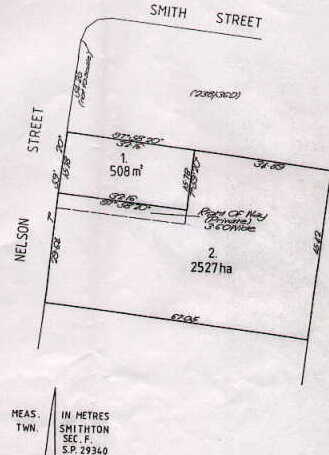
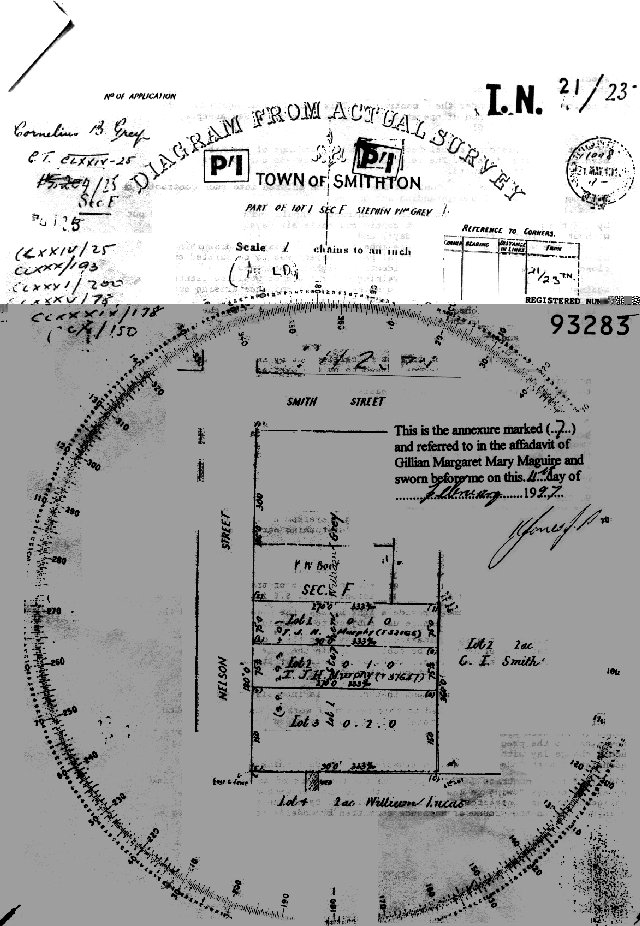
However while I have lot 1 on this Sealed Plan there is also a larger plan registered within the Lands, Titles Office which includes my property and the neighbouring property. This is the registered plan 93283.
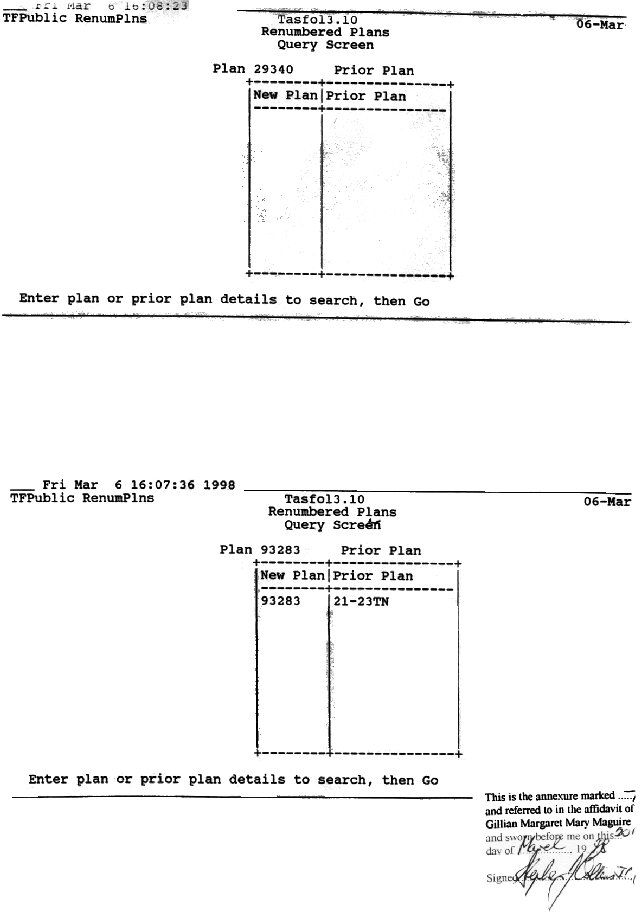
When an inquiry is made of the electronic plan system, inquiry on renumbered plans the plan to 29340 is not called. However old plan 93283 is called by the renumbered plans subsystem.
 SLOW LOADING SCAN -MAKE A CUP OF COFFEE
What is of concern here is the resulting ambiguity. There are no editing rules for the two plan numbers to distinguish between a previous plan and a current plan. A mistake could easily be made if someone submitted a transfer for lot 1 on plan 93283 for example.
While many registration systems can suffer from irregularities and ambiguity with no resulting harm, it is important to consider what delinquency can result from loopholes in titles processing. Using loopholes in titles processing, delinquent elements can hide assets from either the divorce court or bankruptcy trustees; avoid capital gains tax and paying rates on unsold subdivision titles and can mislead mortgagees about the extent of their assets.
While there is no suggestion of any fraud or delinquency attaching to plan 93283, its owners or proprietors or to those of the predecessors and successors in title, it may be that the system is not distinguishing clearly enough which is the current registered plan and this could lead to problems. For an account of the type of problem which could result from this lack of distinction between the registered plan and lodged plans see the extensive problems encountered by West Australian Jan Ter Horst - follow the link
Competing rights to one parcel of land and land tenure debasement could occur under certain circumstances.
Unfortunately it would appear that when debasement of land tenure occurs (as it most likely will if there is excessive ambiguity in the system) those wealthy interests who have most benefited from the subverting of the registry in the first place will then seek to leave the register and invest in better title. In other words those responsible for vandalising the lands registry will then seek to invest in land with more certain title such as former Crown land such as old school sites, riparian or reclaimed land, 99 year leases or general law land. There will also be additional pressure to alienate land formerly under Native Title.
Once this flight of capital leaves the Torrens system then the land tenure in a particular area can actually be converted to older common law and leasehold tenures without the population in general being aware of the fact. It is this conversion and reversion of land tenure , which can cause devastation to the economies, administration and social structure in areas of unstable land registration.
The extraordinary aspect of generalized land tenure debasement is that a large proportion of society is never aware that this problem is occurring. The reason why we, the general public, do not notice this situation on land occurring is mainly because the overt Torrens situation still appears to be working effectively. The overt Torrens system is however, in some areas, a raft of ineffectively registered titles existing uneasily with competing interests. In Australia these would be called Claytons titles, because they are the title you have when you don't really have good title.
The complicity of certain sectors of society in dysfunctional registration for personal gain and the blindness of the administration can be explained by the general rule of land tenure debasement. The more a given individual or group is aware that the land registration system is subverted the more concerned these individuals and groups are to repress information about the problem and to engender a belief in the security of public land registration in others.
Public discussion on the issue of the practices and procedures within Lands, Titles Offices is taboo and this almost neurotic determination to avoid looking at land registration processes appears to be driven to some extent by the individual desire of most to be able to sell our property so the less we know about our land titles the better and this mutual censorship also appears to be enforced by the media because of the difficulty of explaining the complex conveyancing aspects of the problem and also because of the domination of advertising revenue by property interests.
This page focuses on land tenure registration and how it can go wrong. It is not intended to provide fuel for conspiracy theories or for those disaffected with the law or with governments. However the underlying philisophy behind this page is that land title registration can have profound implications for good government and it is the responsibility of all citizens to have some understanding of the scams and frauds which can result if land registration processes are not scrutinized.
 HOME
HOME NEXT
NEXT