Nicolas
virtual travel pages
Spain
Cantabria: Santillana del Mar - "The Medieval Village" and Suances
Santillana del Mar
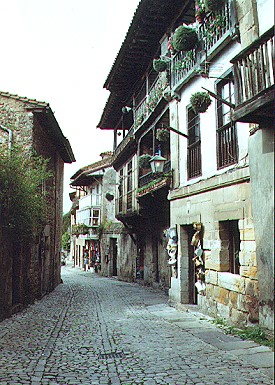
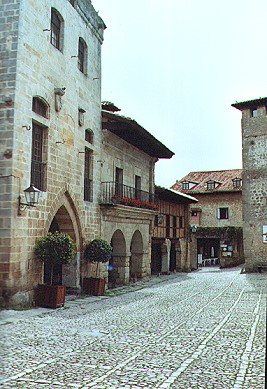
The little village of Santillana del Mar, with its cobblestone streets and its ancient buildings, gives you a feeling of timelessness.
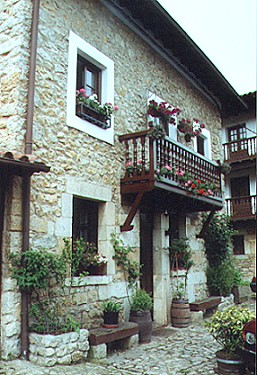
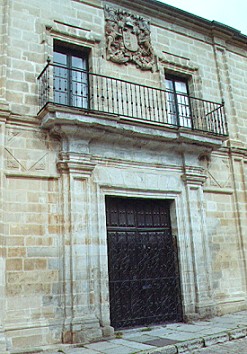
In the village, cars are prohibited, but the local people are allowed to drive through to their own parkingplaces.
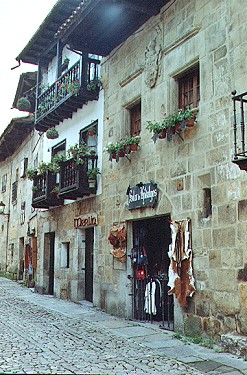
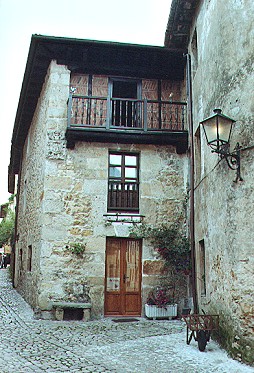
The traditional architecture of this region combines perfectly with the atmosphere of this lovely city.
Already in Prehistoric times in the Altamira Caves, man had seen in the scenery of Santillana del Mar a place for living and hunting. The finding of remains of ceramics and graves in the surroundings of this village give evidence of the presence of the Romans, followed by an archeological gap from the 5th to the 8th centuries.
The development of the village of Santillana started in the early Middle Ages. Between the 8th and 9th centuries, a small religious community supported by the Astur kingdom settled in a place known as Planes, founding a monastery in which the relics of Santa Juliana de Bitinia are kept. This martyr (Santa Illana), to whom the building is dedicated, finally gave her name to the village in the 12th century.
Since the 9th century, the economic power of the monastery and the religious significance of Santillana, became consolidated. The spiritual and material splendour, which increased with the granting of the first "fuero" to the monastery in 1045, led to the transformation of the abbey into a collegiate church and the renovation of the Roman-style factory late in the 12th century.
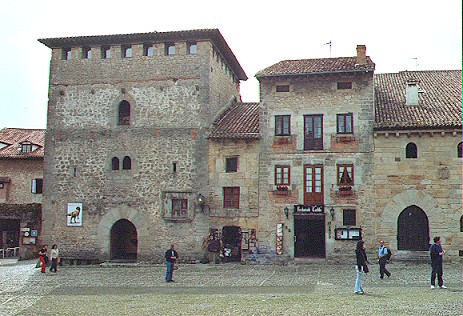
In the 13th century, the monasterial domain of Santillana decayed becoming a collegiate church which depended on the Diocese of Burgos. However, the village became the capital of the Merindad of Asturias de Santillana and the permanent headquarters of the merino. The power of the noble families was gradually increasing leading, in the 15th century, to the conversion of Santillana into a marquisate under the House of Mendoza.
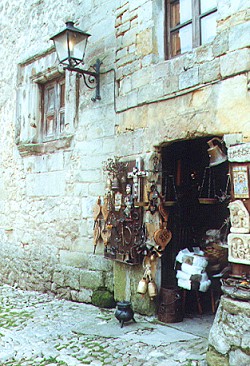
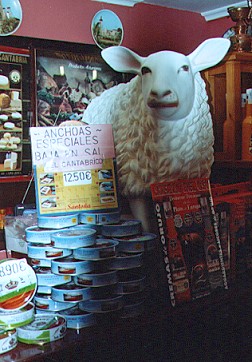
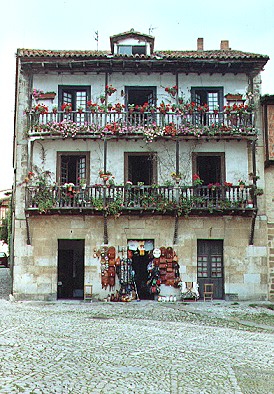
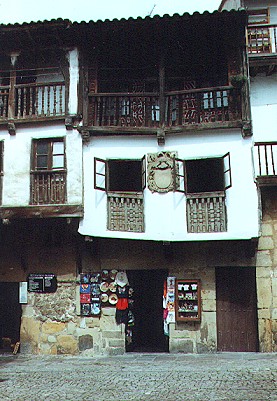
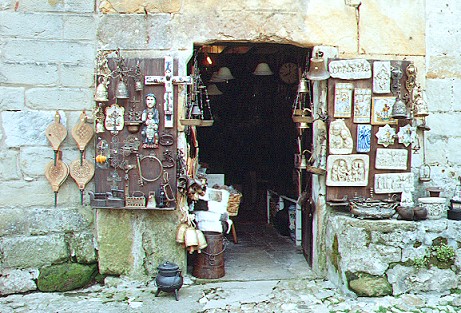
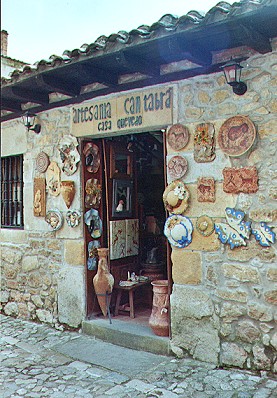
Some souvenir shops - p; and also some with the local specialities
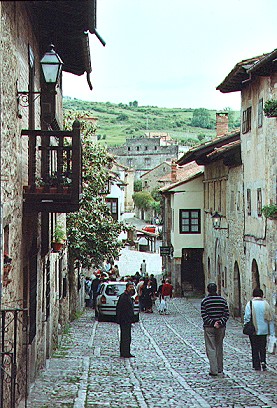
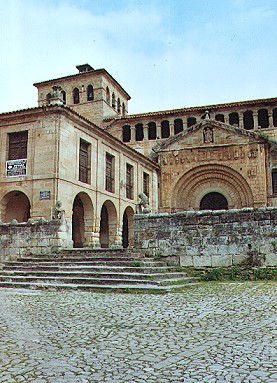
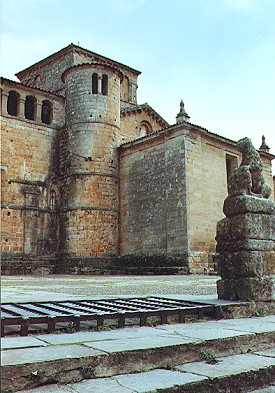
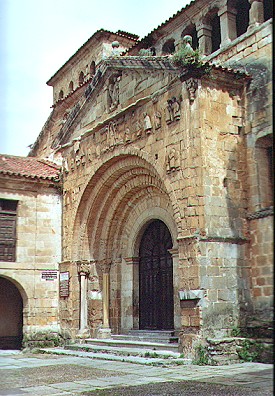
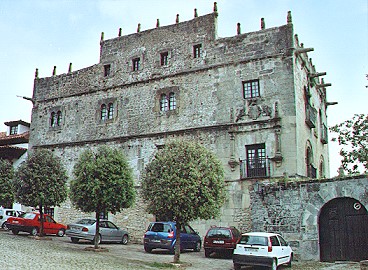
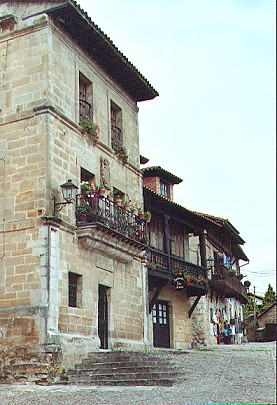
The Colegiata church is from the 12th century. The center of the village is the Plaza de Ramón Pelayo. The houses there date back to the 14th to 16th century.
Souvenirs: plates with pictures of the village
Suances
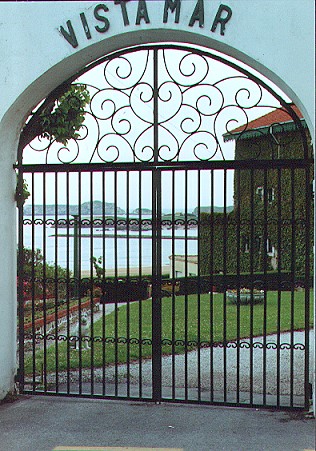
Suances is an extraordinary point of the northern coast of Spain and situated in the occidental part of Cantabria at 30 kms from Santander. A green area by the Bay of Biscay, which seduces because of its landscape and possibilities of entertainment.
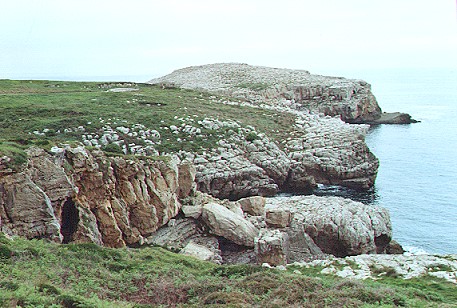
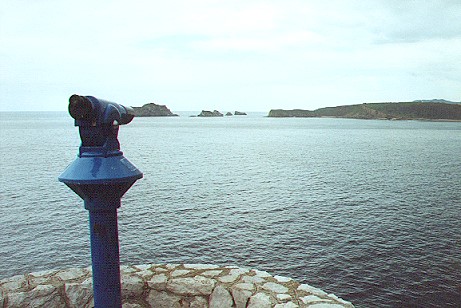
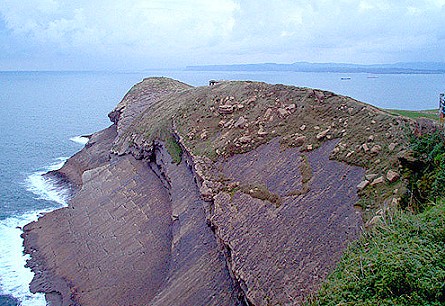
The town council of Suances was settled and developed along the river, known in the roman times as Portus Blendium. The main activity of the village until the middle of the XIXth century was the stockbreeding and the fishing; afterwards the tradition of summer vacations was promoted. In 1895, it was announced for the first time the so-called "baños" (going to the beach with a bathing suit). Nowadays Suances is one of the most important touristic centers of the Bay of Biscay. Its small and rocky beaches and its huge sandy areas are two of the most attractive points of the village. Selected by the lovers of nautic sports, such as surfing, and by all of those who look for a pure and virgin nature. The beaches of La Concha, El Sable, La Riberuca or the cliffs of Los Locos are some examples.
Cantabria: Santillana del Mar - "The Medieval Village" and Suances
Santillana del Mar
The little village of Santillana del Mar, with its cobblestone streets and its ancient buildings, gives you a feeling of timelessness.
In the village, cars are prohibited, but the local people are allowed to drive through to their own parkingplaces.
The traditional architecture of this region combines perfectly with the atmosphere of this lovely city.
Already in Prehistoric times in the Altamira Caves, man had seen in the scenery of Santillana del Mar a place for living and hunting. The finding of remains of ceramics and graves in the surroundings of this village give evidence of the presence of the Romans, followed by an archeological gap from the 5th to the 8th centuries.
The development of the village of Santillana started in the early Middle Ages. Between the 8th and 9th centuries, a small religious community supported by the Astur kingdom settled in a place known as Planes, founding a monastery in which the relics of Santa Juliana de Bitinia are kept. This martyr (Santa Illana), to whom the building is dedicated, finally gave her name to the village in the 12th century.
Since the 9th century, the economic power of the monastery and the religious significance of Santillana, became consolidated. The spiritual and material splendour, which increased with the granting of the first "fuero" to the monastery in 1045, led to the transformation of the abbey into a collegiate church and the renovation of the Roman-style factory late in the 12th century.
In the 13th century, the monasterial domain of Santillana decayed becoming a collegiate church which depended on the Diocese of Burgos. However, the village became the capital of the Merindad of Asturias de Santillana and the permanent headquarters of the merino. The power of the noble families was gradually increasing leading, in the 15th century, to the conversion of Santillana into a marquisate under the House of Mendoza.
Some souvenir shops - p; and also some with the local specialities
The Colegiata church is from the 12th century. The center of the village is the Plaza de Ramón Pelayo. The houses there date back to the 14th to 16th century.
Souvenirs: plates with pictures of the village
Suances
Suances is an extraordinary point of the northern coast of Spain and situated in the occidental part of Cantabria at 30 kms from Santander. A green area by the Bay of Biscay, which seduces because of its landscape and possibilities of entertainment.
The town council of Suances was settled and developed along the river, known in the roman times as Portus Blendium. The main activity of the village until the middle of the XIXth century was the stockbreeding and the fishing; afterwards the tradition of summer vacations was promoted. In 1895, it was announced for the first time the so-called "baños" (going to the beach with a bathing suit). Nowadays Suances is one of the most important touristic centers of the Bay of Biscay. Its small and rocky beaches and its huge sandy areas are two of the most attractive points of the village. Selected by the lovers of nautic sports, such as surfing, and by all of those who look for a pure and virgin nature. The beaches of La Concha, El Sable, La Riberuca or the cliffs of Los Locos are some examples.
Copyright:
Nicola Obermeier 2005