|
|
|
|
|
|
|
|
|
|
|
|
|
|
|
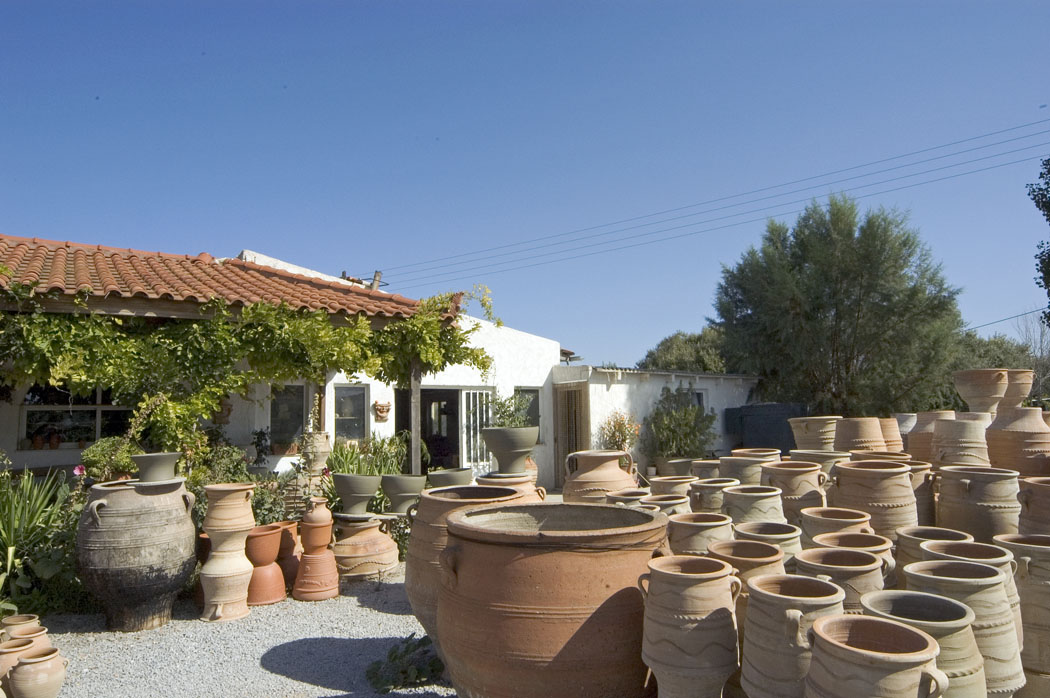
Pottery, Pots and Myths |
|
|
|
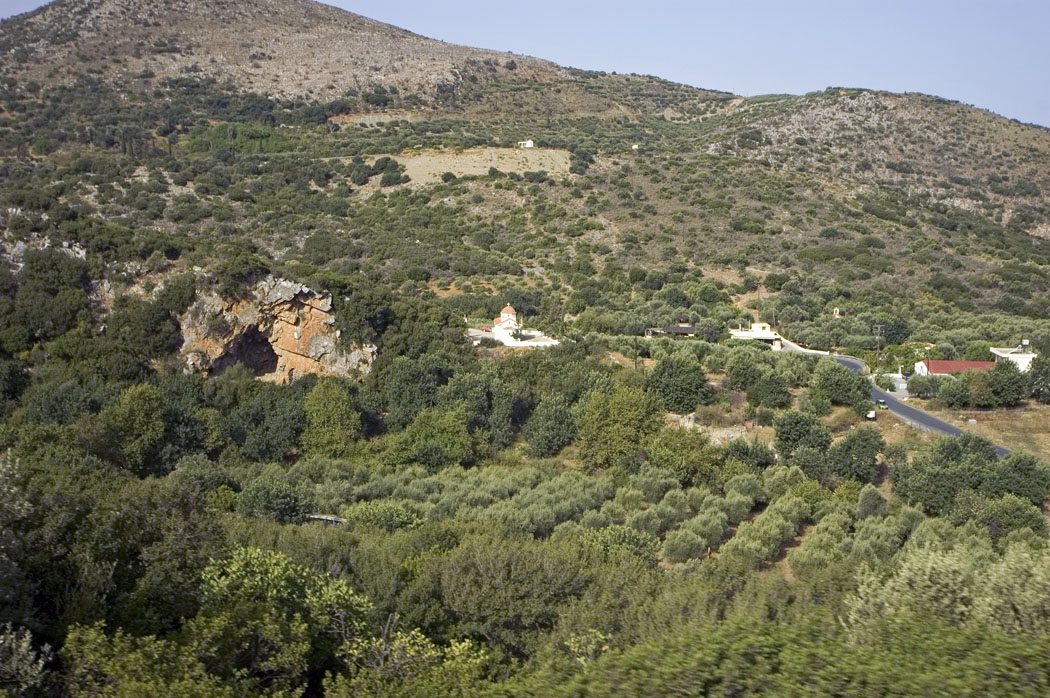
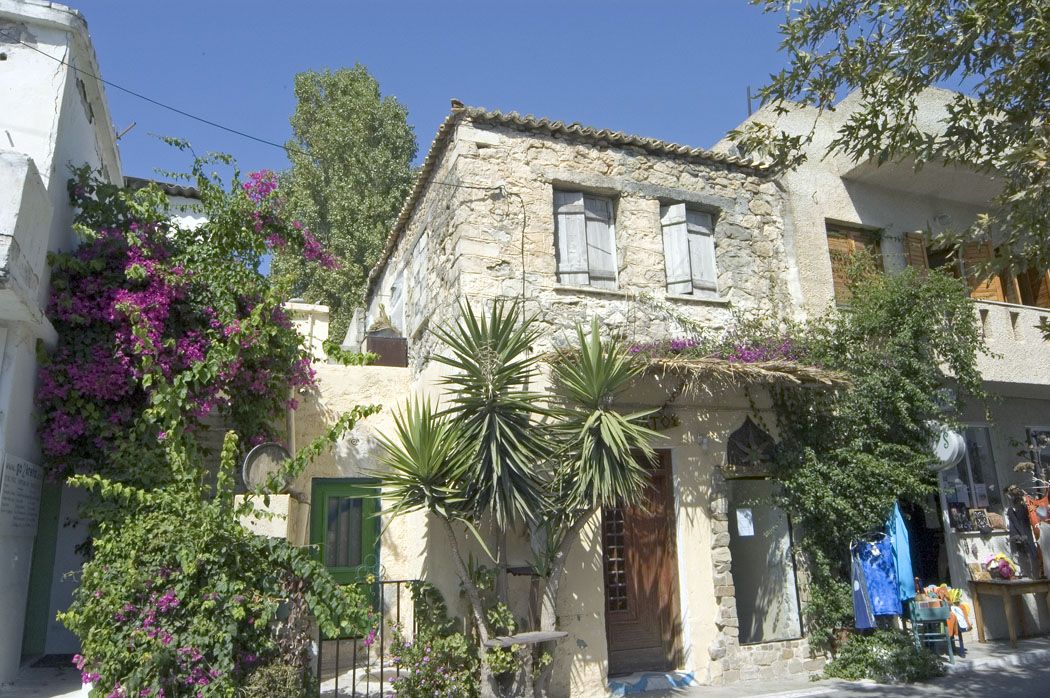
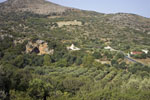
Eastern Crete is covered with olives trees and vineyards in between the mountains and caves. The pottery made there today still has the Greek, Roman and Venetian influence. During WWII eastern Crete was occupied by the Italian forces and the relationship was tolerable but after Italy capitualated the Germans took control and the atrocities began. Eastern Crete through the Ditka mountains was one of the routes used by allied forces to escape after the fall of Crete in 1941. |
|
|
|
 |
|
 |
|
|
|
|
Eastern Crete |
|
|
|
|
|
|
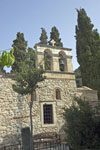
Panayia Kera Monastery played an important part in the resistance during WWII |
|
|
 |
|
|
|
|
|
|
 |
|
|
|
|
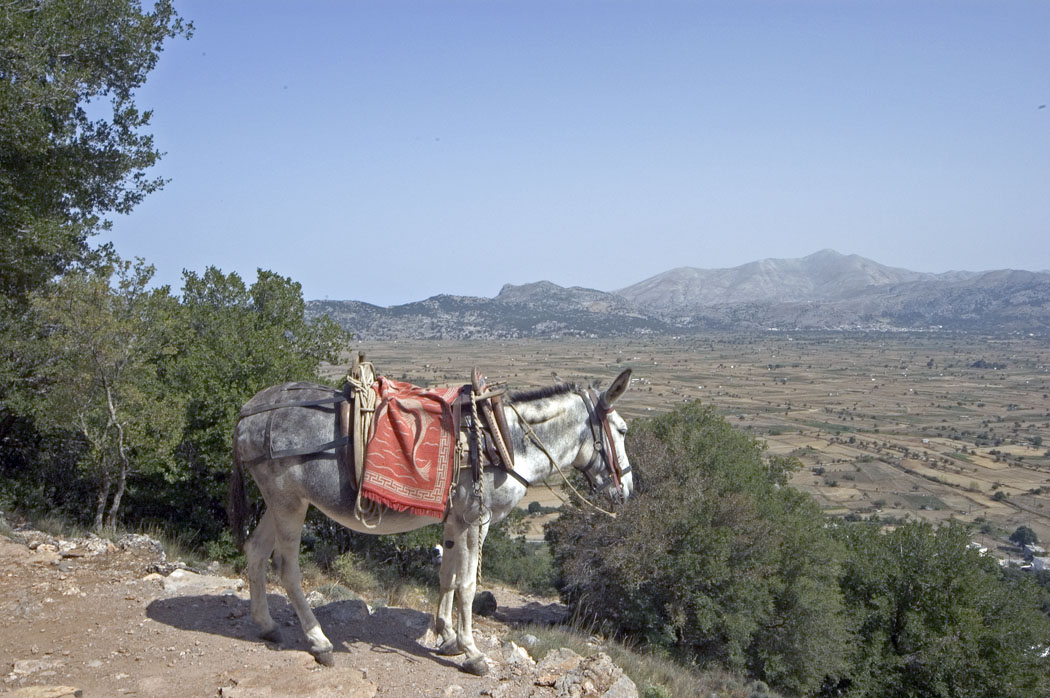
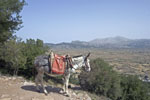
Mountain transportation has not changed |
|
|
|
|
|
 |
|
|
|
|
|
|
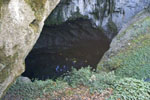
Entrance to Ditka Cave...Birthplace of Zeus |
|
|
|
|
|
 |
|
|
|
|
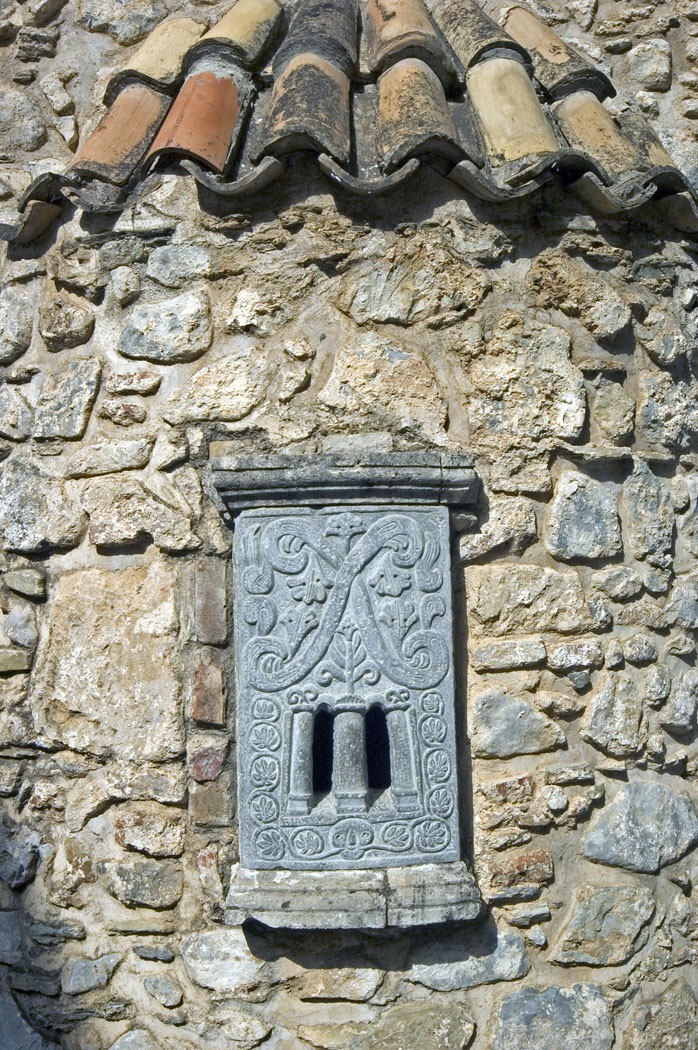
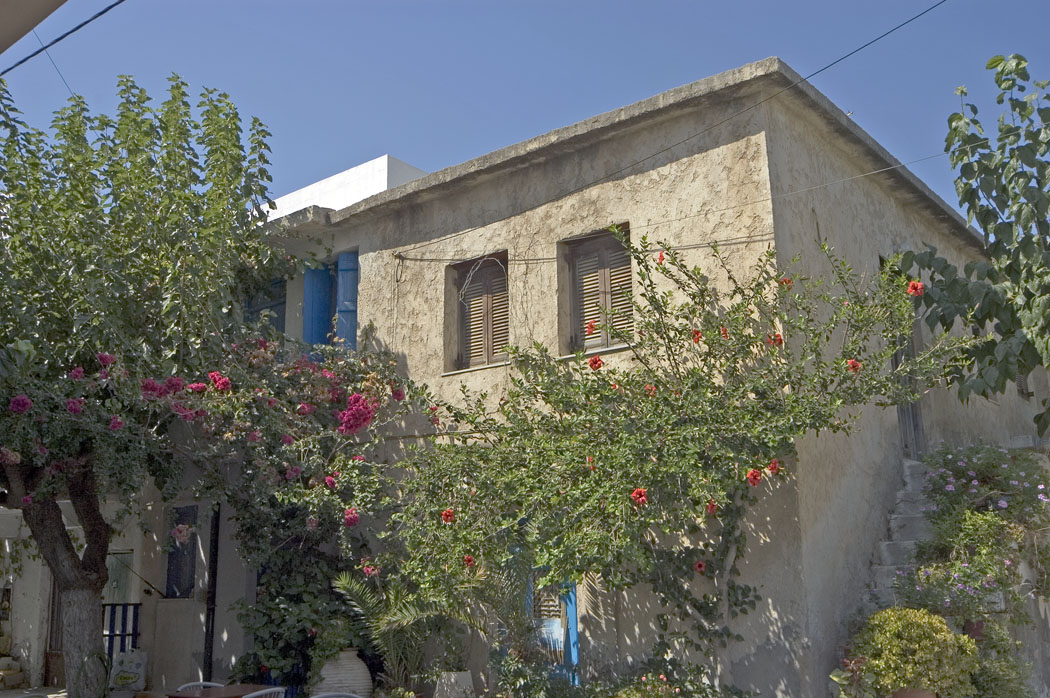
Cretan Floral |
|
|
|
|
|
 |
|
|
|
|
|
|
Cretan Floral |
|
|
|
|
|
 |
|
|
|
|
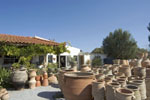
Cretan Pottery |
|
|
|
|
|
|
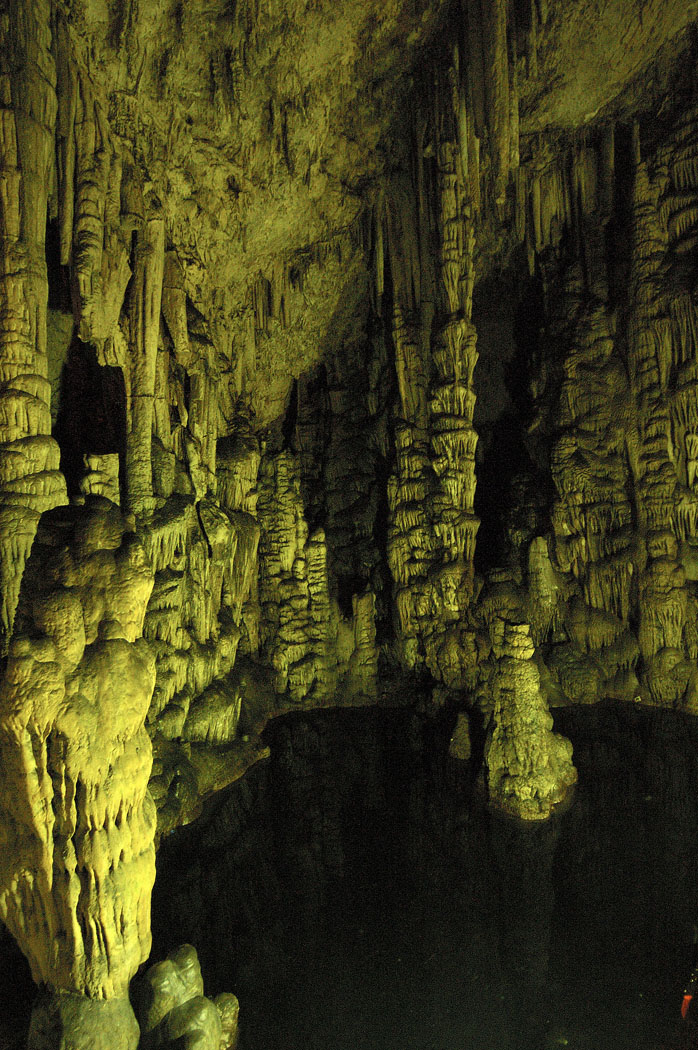
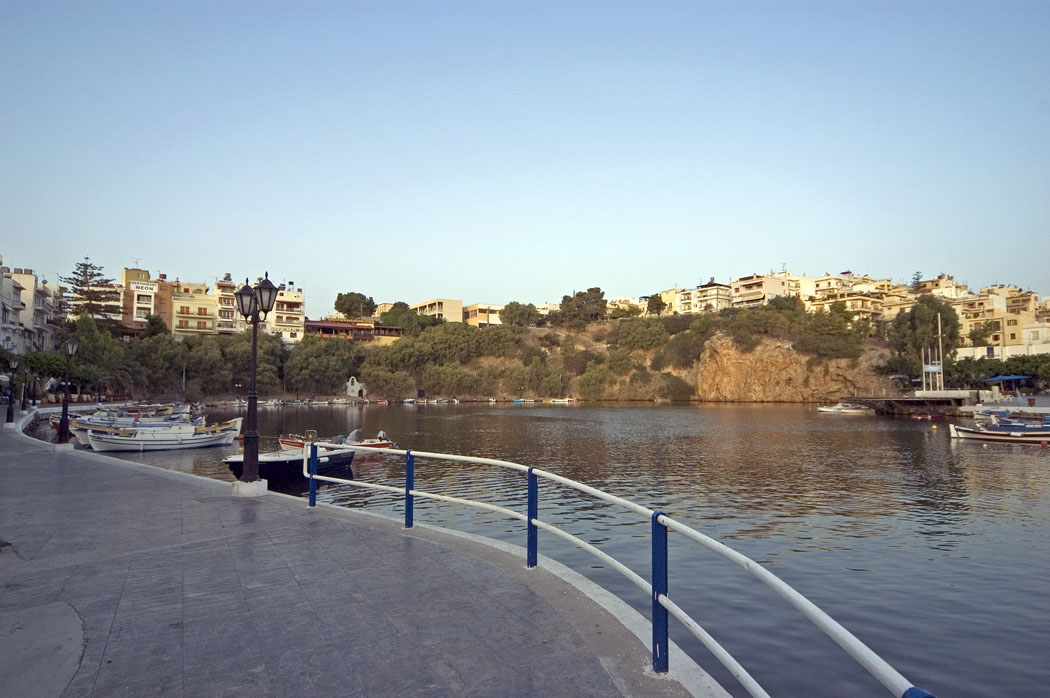
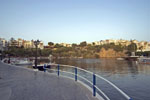
A myth says that the goddesses Athena and Artemis bathed here but it is fact that seven german tanks lay at the bottom |
|