
The state called Bulgaria was founded in 681 and named after the nomatic tribe Proto Bulgarians famous for their strong political organization and the slave tribes who gave to the new state the language and the traditions.
After the Greek, Roman and Byzantine control the second Bulgarian Empire emerged in 1187 and lasted until 1396 when the Ottoman Empire conquered Bulgaria. This was to last until 1878 when Russia defeated Turkey, thus freeing the Balkin countries from the Ottoman control. Bulgaria became completely independent on 22 September 1908.
The country was active with forces in WW1 and sided with Germany in WW2 until the abdication of King Ferdinand in 1944. This set in motion a new government comprised of communist and socialist, members of the Agarian party and the independent politicians forming the People's Republic of Bulgaria. Bulgaria's goverment changed with the fall of communism in 1989 and has joined NATO and is now in the transition period prior to the country joining the European Union.
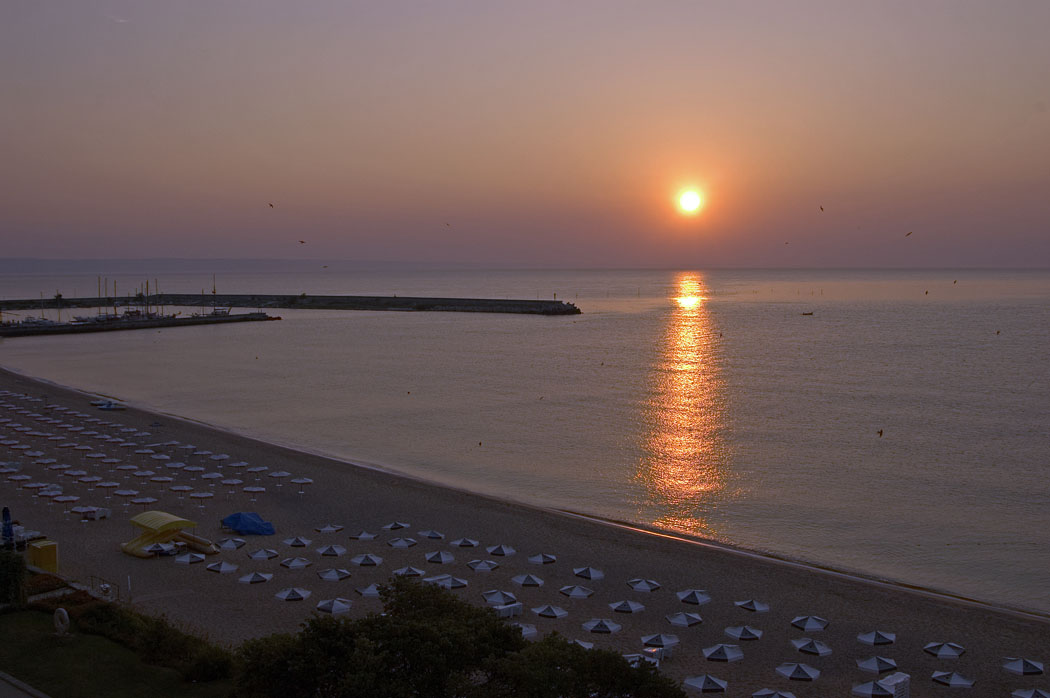
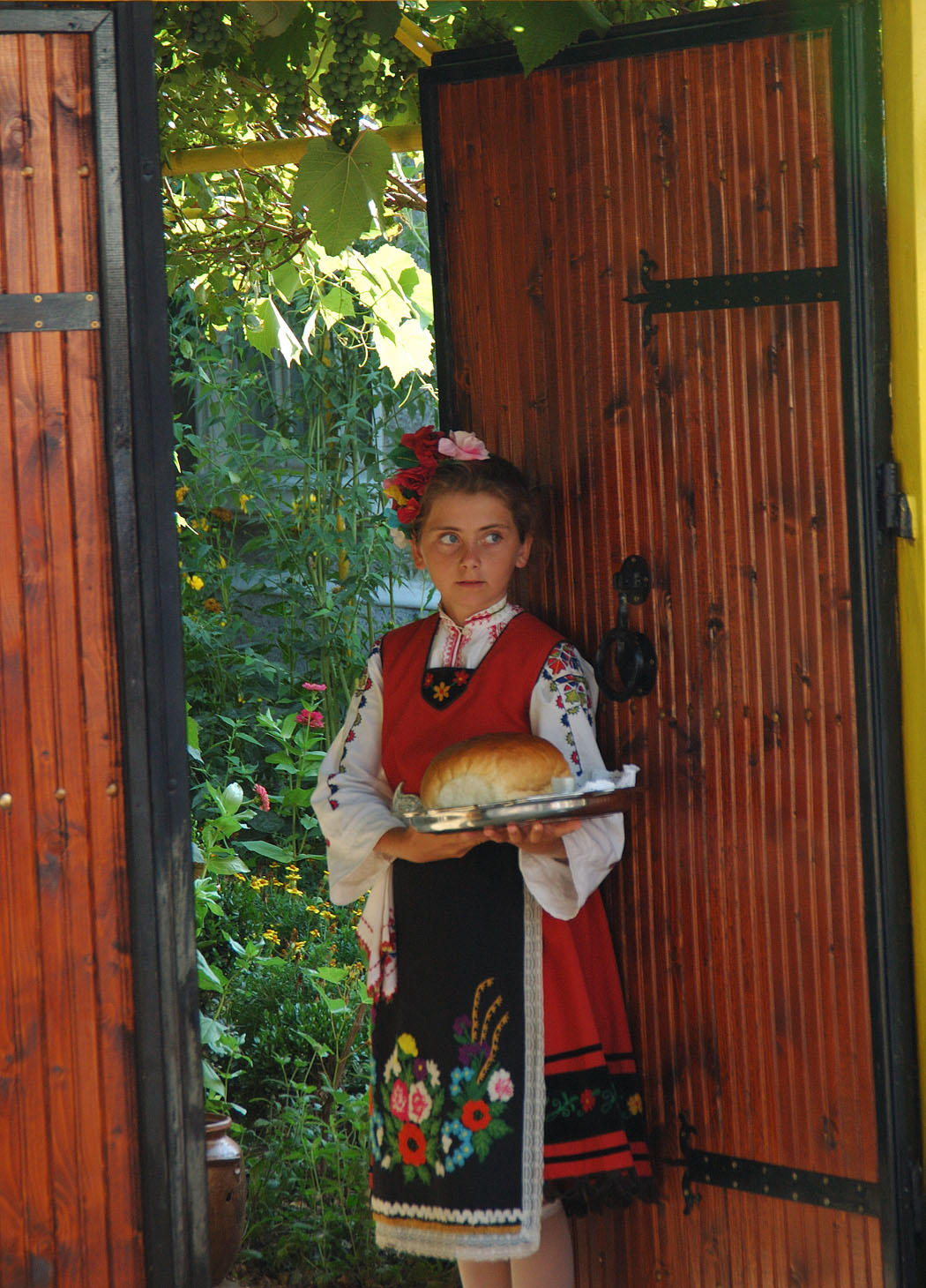
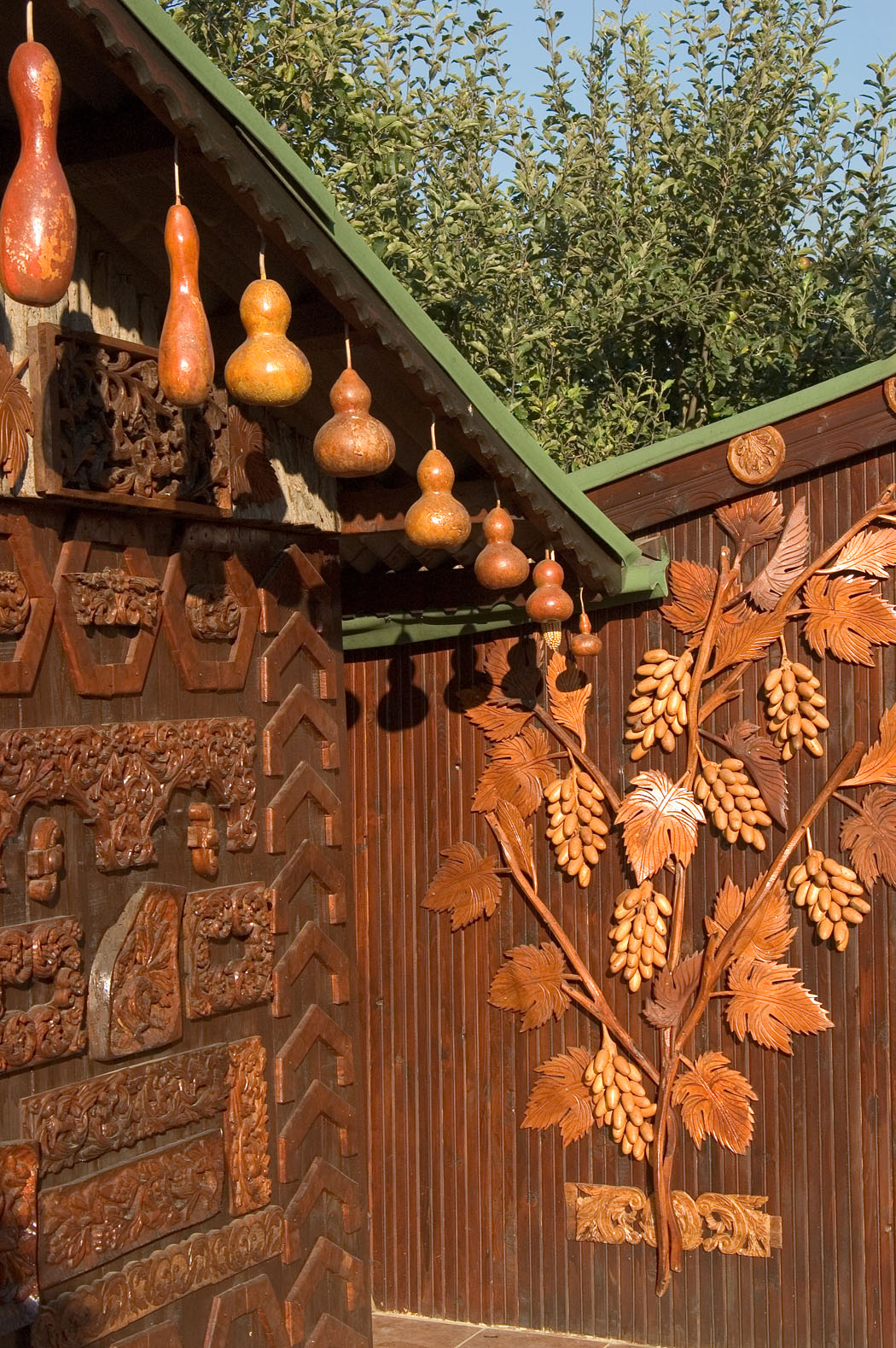
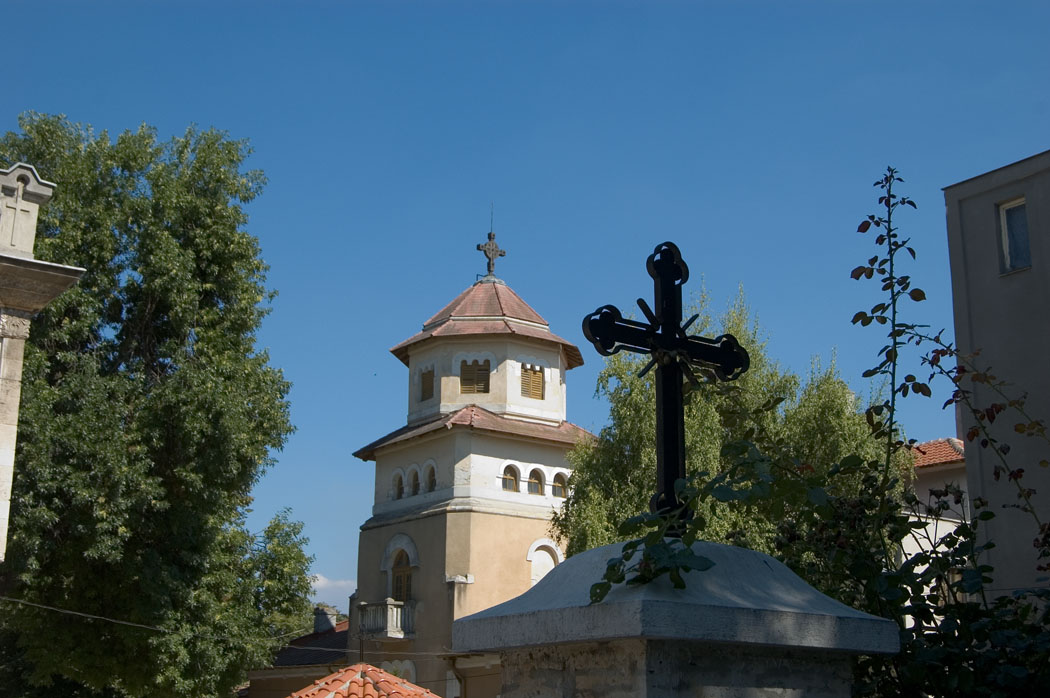
in Varna
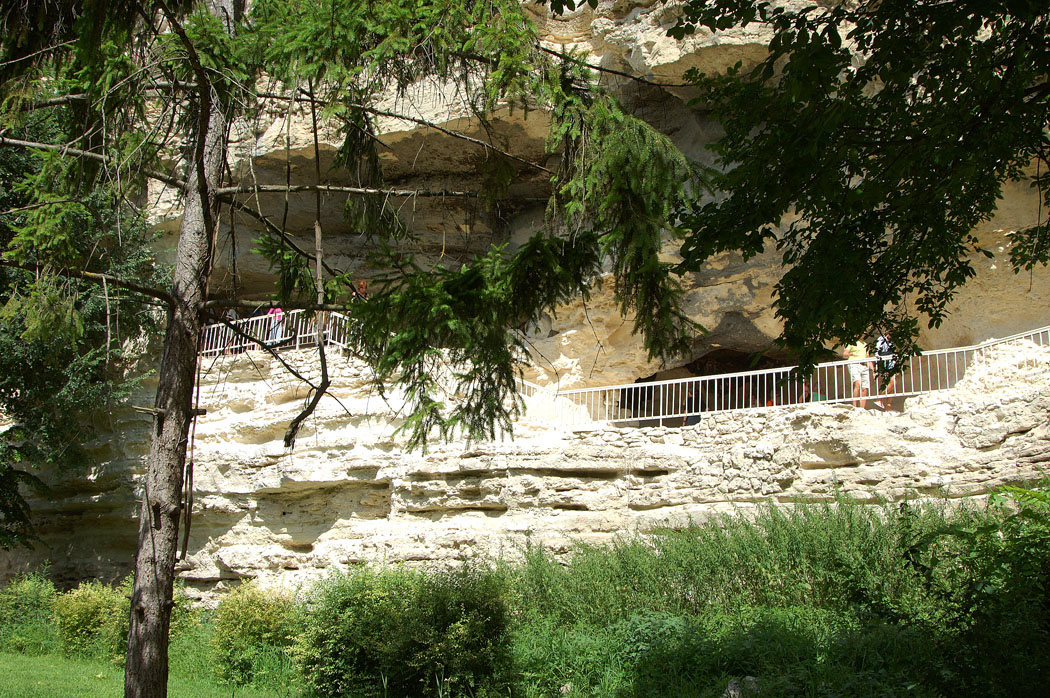
4th-6th century rock monastery
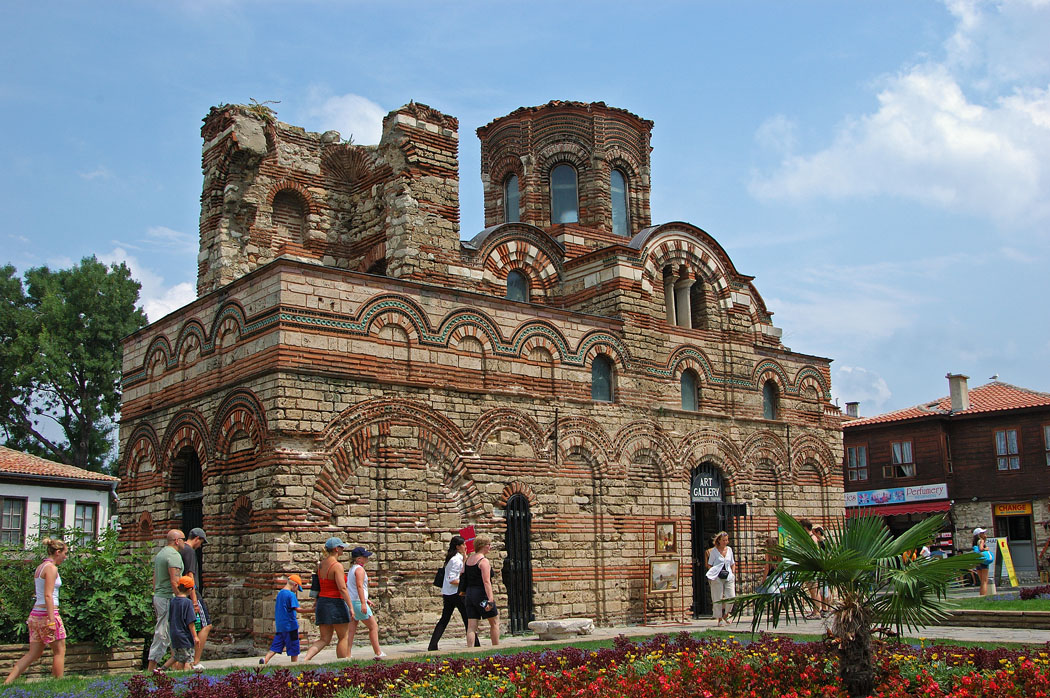
13th-14th c.
Nesebar
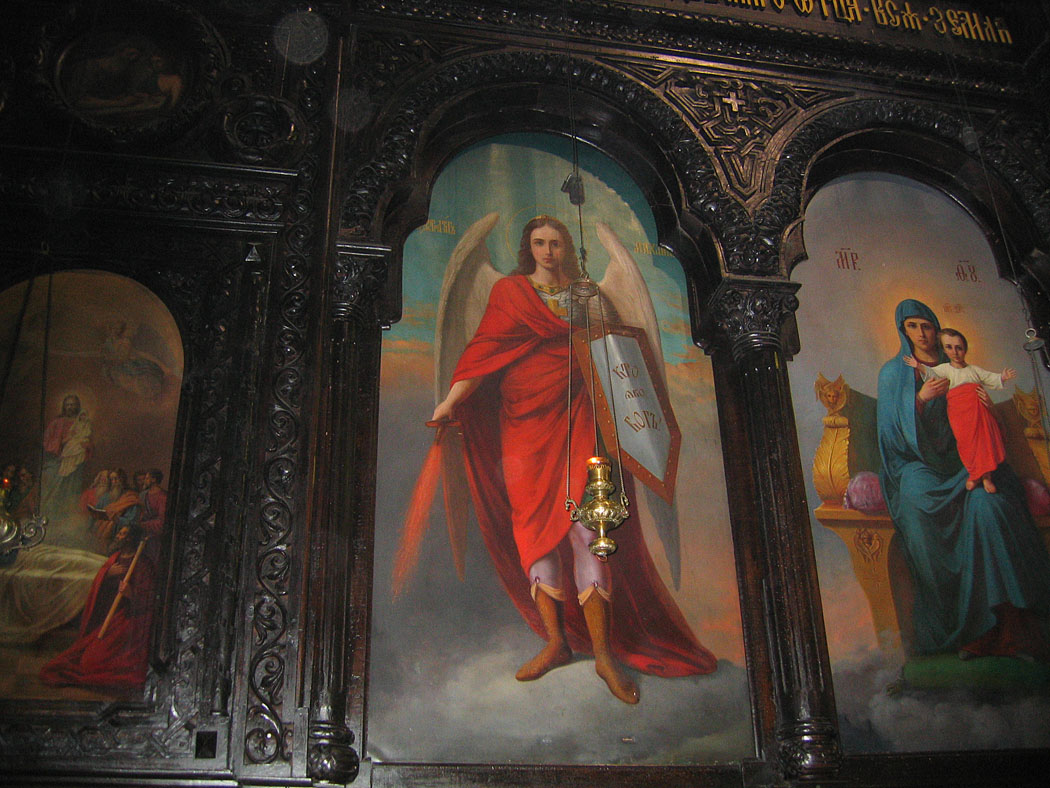
Archangel St. Michael
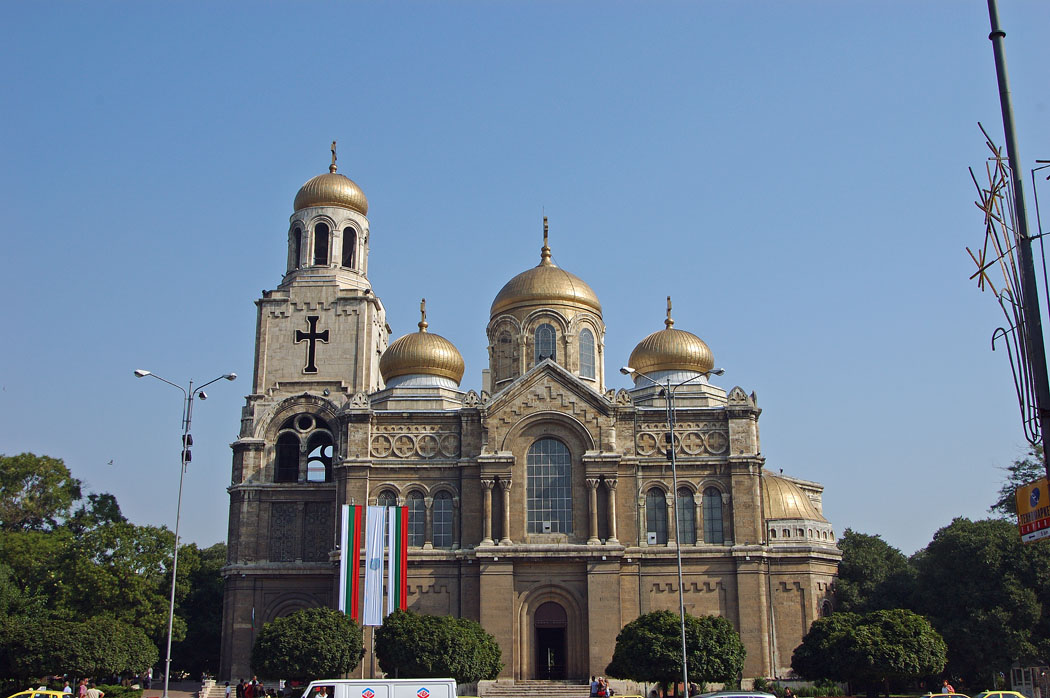
Assumption of the Blessed Virgin Mary
"The Cathedral" Varna