

BAEL
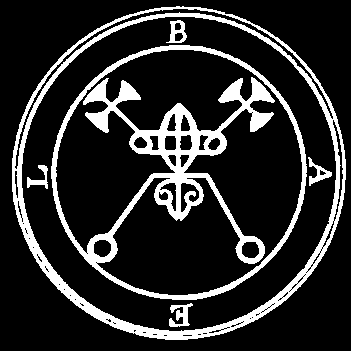
Bael, also known as Baal, Beelzebub, and Moloch, is a demon, recognized as an entity of great power among their kind and is the 1st recorded spirit in the sacred Ars Goetia.
Bael is a mighty and stately authority amongst demons, a true king of kings, styling themself as a god to numerous human cultures and civilizations through their awesome visage. They are the Lord of Excess and ultimate patron of Gluttony, along with other forms of indulgence that they breed with high esteem. They're the embellisher of sovereign luxuries, encouraging the likes of community and cult leaders, aristocrats, and gormands to treat their appetites with splendor, fill their hungry minds with wisdom and impart them with demonic powers. Feasts and festivals are a most magnificent way to revere Bael as their grand radiance enraptures those fat, plump, and plentiful. They are also venerated as Lord of Flyers/Flies, thus betrothed to aerial creatures and the element of Air. They command a court of around 396,000 demons.

They are of a great physical size, and appear in many forms. The ancient Canaanites worshipped them as Moloch, a golden-bodied bull deity of kings and riches. This would come to an end through the conquests of the Romans, who warred often with the peoples of the Mediterranean (especially Carthage, who also happened to worship Baal during the height of their civilization). This imperialization of the Levant would leave many communities in ancient Canaan burned to ashes, and the Romans would attribute the remains of burned animals and children to sacrificial Moloch worship, reciting such claims in their historical records. Other than as a golden-bodied bull or cow, Bael takes the form of a regal-looking humanoid, an intensely corpulent toad, or as an obese, lounging cat, and can be a chimera of all of these things. They can also appear insectoid, especially as a massive buzzing fly. Bael will usually, regardless of their form, have a pair of great wings.

If there is any demon that takes immense pleasure in being treated and worshipped as a god, it would be Bael. In the ancient days, notions of sacrifice to this High King were not untrue, but were more relevant to food and precious goods, which makes them worthwhile offerings in present time, particularly barbeque and open-flame roasts. Idolatry is the art that famously surrounds Bael and their many forms, and if one intends to partake in proper honors to this spirit, decoration and heraldry relevant to them serve well (consider, for instance, a statuette of a golden bull set as the centerpiece in a dining or parlor room, or their own seal imbibed upon special table mats, and so on). Cattle, toads and flying insects are all sacred to Bael.