|
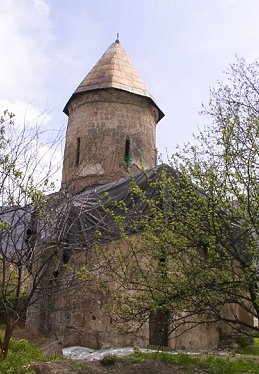
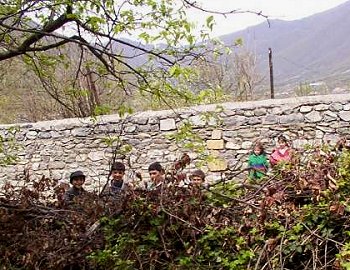
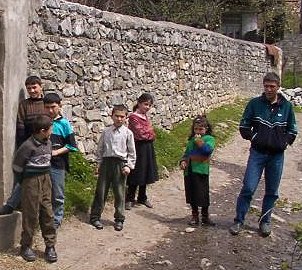
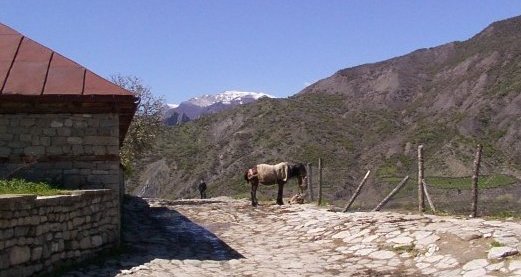
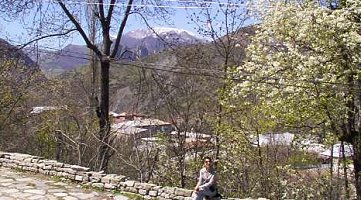
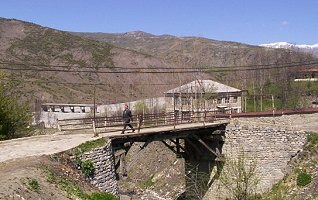
Lehic (pronouned Le-heech) is a small village (around 400 people) in the
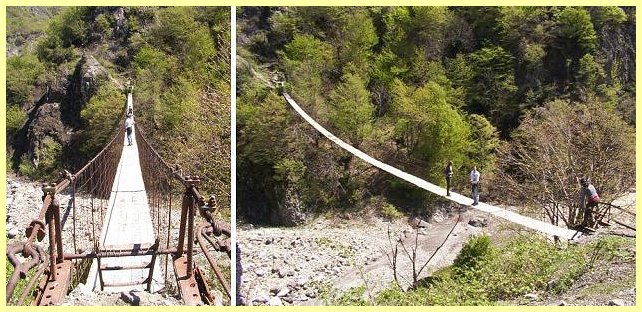
mountains north west of Baku. The only road into town is an extremely bumpy
unpaved track carved into the side of a canyon hugging a river. Very beautiful
and very remote, but thanks to the Soviets, the town has electricity and television.
Thanks to capitalism there's Coca Cola and local pre-teen boys that act as unnecessary paid guides.
|
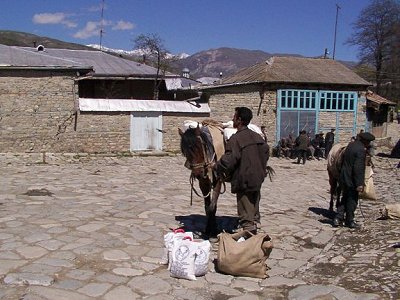
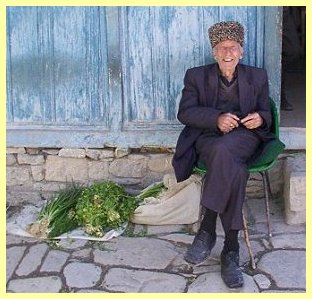 This guy made me take his picture, which I was planning to do anyway. He was sitting in the town center selling greens to I-don't-know-who. The center bustled with activity as two guys loaded up horses with sacks of rice. The standard benchful of on-lookers looked on.
|
|

|
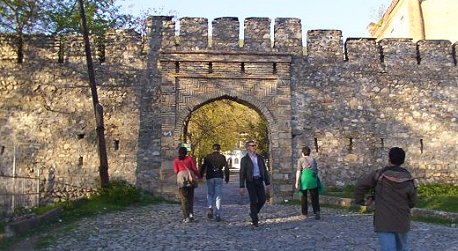
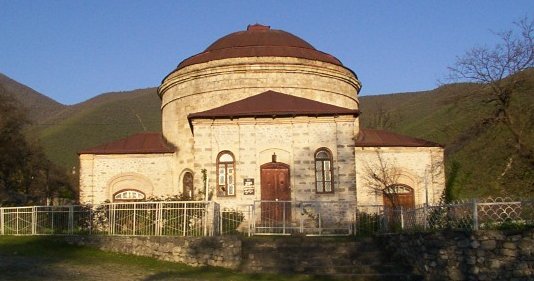
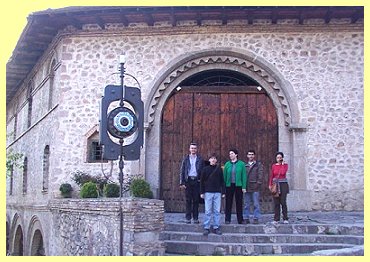
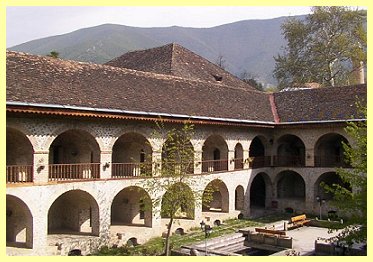
Seki (pronouned Sheckie) is a relatively large town (65,000 people) in northwest Azerbaijan,
just beneath the southern edge of the Caucasus Mountains. It used to be a stronghold on the
Silk Road. Now it's just another small provincial outpost where they make silk and halvah and
throw their garbage in the river. The mountain setting and green grass and trees make the
crumbling Soviet buildings look somewhat quaint. The slightly less crumbling pre-Soviet
buildings are even more quaint.
|
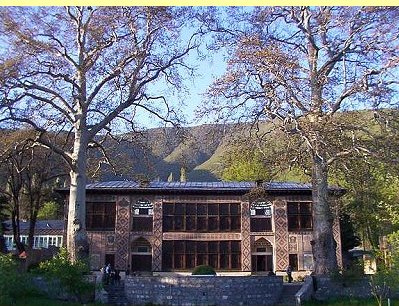
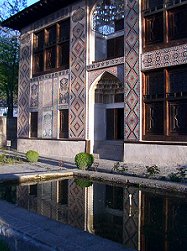
 We had to put on special
cloth booties over our shoes to protect the carpets, though the carpets didn't look original and
I suspect the booties were just a subtle form of humiliation. As usual, we had to bargain with
the obligatory tour guide over the amount of the entrance fee
(the simple you-owe-this-much-to-go-in-here sign doesn't exist in Azerbaijan).
At the end of the pretty lame tour, the guide told us we owed him more money.
This is another annoying feature of the so-call tourist industry around here. He hadn't told us
about any additional guide fee when we first bargained, so we didn't give him any more money.
He sulked but didn't try to tell us that we were doing something wrong, because all we
were doing was not being suckers.
We had to put on special
cloth booties over our shoes to protect the carpets, though the carpets didn't look original and
I suspect the booties were just a subtle form of humiliation. As usual, we had to bargain with
the obligatory tour guide over the amount of the entrance fee
(the simple you-owe-this-much-to-go-in-here sign doesn't exist in Azerbaijan).
At the end of the pretty lame tour, the guide told us we owed him more money.
This is another annoying feature of the so-call tourist industry around here. He hadn't told us
about any additional guide fee when we first bargained, so we didn't give him any more money.
He sulked but didn't try to tell us that we were doing something wrong, because all we
were doing was not being suckers.