
Colleagues described Armond as “passionate, dedicated, and fiercely intelligent,” yet he struggled to navigate the cutthroat environment of the studio. One co-worker recalled, “He had this incredible vision for characters and stories, but the constant pressure from above to churn out content made it nearly impossible for him to bring those ideas to life.”
As Nickelodeon’s executives prioritized profitability over creativity, the culture shifted. Animators found themselves facing unreasonable deadlines, with management insisting on revisions that often diluted the originality of their work. Armond witnessed his fellow animators become increasingly frustrated as their artistic visions were compromised. With each passing day, he felt the weight of this corporate expectation crushing the spirit of creativity that once defined the network.
Armond’s disillusionment grew into anger as he realized the toll this environment took on his colleagues. Workers experienced burnout, often working late into the night, haunted by the fear of failure and rejection. Employees were required to present their work weekly, facing the daunting task of appeasing the executives who had little patience for anything less than perfection. Many began to suffer from chronic stress as they grappled with the challenge of meeting such high standards.
It was a heartbreaking realization for Armond, who had once envisioned a bright future in animation. He found himself questioning his passion and whether he truly belonged in an environment that seemed more focused on productivity than artistic expression. Despite feeling trapped, a flicker of determination ignited within him. He resolved to confront this toxic culture head-on, believing that artists deserved a workplace that nurtured their creativity instead of suffocating it. Armond began to advocate for his colleagues, encouraging open dialogue about mental health and the need for a more supportive environment. He reached out to others who felt the same way, and together, they formed a coalition, demanding changes that would prioritize their well-being and artistic integrity.
As their coalition grew, so did the resolve of its members. Armond and his colleagues began to organize meetings, that would create a safe space where animators could share their struggles openly without fear of retaliation. They started drafting formal proposals aimed at reducing the punishing deadlines and offering mental health support within the studio. Though their efforts were met with resistance from the higher-ups, the growing sense of unity among the artists emboldened them. Armond realized that they were no longer just fighting for themselves—they were fighting for the future of creativity in an industry that had lost sight of its original purpose.
However, beneath the surface of Armond's advocacy for reform, darker thoughts began to take root. While he passionately fought for the well-being of his colleagues, there was a part of him that harbored deeper resentment toward the company. Unbeknownst to his fellow coalition members, Armond was formulating his own plan—one that went beyond peaceful negotiations and petitions. As he listened to the stories of mistreatment and exploitation, his frustration grew, and with it, a desire to take more drastic action. The idea of exposing the company’s misdeeds in a way that no one could ignore slowly began to consume him. He kept these thoughts to himself, not wanting to alarm his colleagues, but he knew that the day would come when he’d be ready to pull off something far more disruptive: the signal hijack.
The Formation of a Plan: Signal Intrusion
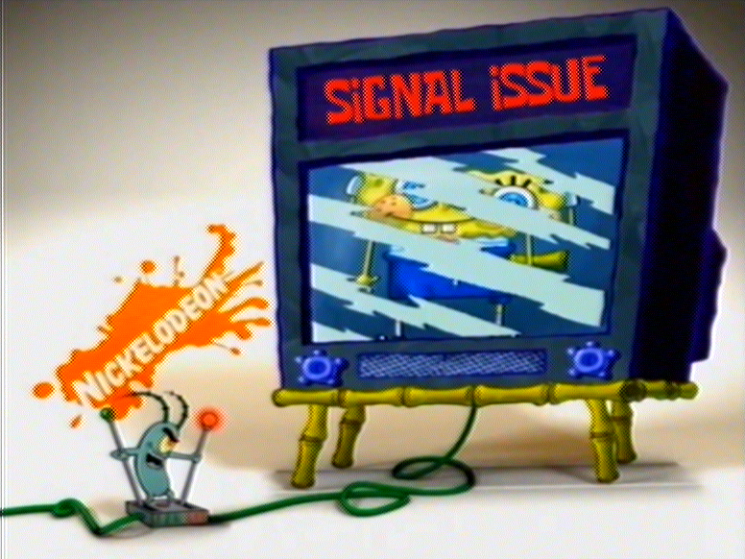
In the weeks that followed, Armond began to assemble a small team of tech-savvy friends who shared his vision. They met in secret to ensure their plans remained under the radar. With a SpongeBob marathon on the horizon, they knew this was their chance to make a bold statement. The group organized a collection of edited clips from various episodes, skillfully putting together dark imagery that would reflect the struggles faced by artists in the industry. They juxtaposed the lighthearted antics of SpongeBob and his friends with scenes that represented the suffocating pressure and disillusionment Armond felt. The broadcasts served as a stark reminder that behind the colorful façade lay a painful reality. A narrative of greed, creativity stifled, dreams crushed, and artists yearning for change.
Armond's plan went beyond simply exposing the harsh realities of the animation industry. Deep down, he also wanted to target Nickelodeon where it hurt the most—their viewership. In particular, he aimed to unsettle the very children who were the lifeblood of the network. He knew that by doing so, he could further disrupt the company's stranglehold on its audience and force Nickelodeon to reckon with the consequences of their greed. The more children that turned away from the channel, the more the network would suffer financially, weakening its control over the industry.
To achieve this, Armond instructed his team to subtly alter scenes in their modified clips. These changes, though not immediately noticeable, were designed to disturb younger viewers. While these shifts were not outright terrifying to some, they created a sense of unease that would linger in the minds of the children watching.
Armond and his team worked tirelessly to perfect their plan. The team felt a growing sense of urgency. They understood the risks they were taking, but the importance of their mission outweighed their fears. On the night of the broadcast, the team gathered in their secret location. They prepared the equipment, ensuring everything was set for the attack. When the second episode of the marathon, "Help Wanted," went on-air, they initiated a hijack attempt, but failed. However, countless other attempts were made.
Eventually, the first successful hijack would occur during "Pineapple Fever," and its impact rippled through the community. Audiences, initially puzzled by the sudden disruption, began to engage in heated discussions online. The stark message that appeared on the screen caught them off guard and planted seeds of doubt about the network’s intentions.
As more hijacks followed, the viewers’ discomfort grew. With each new interruption, it became harder to dismiss the idea that something larger was at play. By the time the fourth hijack aired, many viewers were bothered by the eerie timing and unsettling imagery. Online forums and social media buzzed with speculation, and some even accused Nickelodeon of hiding something sinister. The once innocent SpongeBob episodes had become a vehicle for disturbing messages that left people unsettled, questioning the network's transparency.
Between episodes, strange commercials began appearing during the broadcast breaks. These weren’t ordinary ads but brief messages hinting at the truth behind Nickelodeon’s operations, calling on viewers to wake up to the exploitation happening behind the scenes. They urged the audience to question the sanitized image Nickelodeon projected and to consider the voices of those being stifled in silence. These ads only added to the growing sense that something was deeply wrong within the network.
The fifth hijack was the most unsettling of all. This time, Armond and his team pushed their message to its psychological limits, using the familiar world of SpongeBob to deliver an eerie and deeply personal statement. As the marathon continued without warning, the episode being broadcast was suddenly interrupted by an extended, warped version of a regular SpongeBob scene. It began subtly, with SpongeBob acting strangely off-character, with erratic behavior.
As the scenes progressed, it became clear that SpongeBob was "going insane." The iconic setting of Bikini Bottom was plunged into chaos. In the background, the city was engulfed in flames, with buildings crumbling into the sea, and brief, disturbing flashes of dying fish across the ocean. These images were quick, almost subliminal, but they left a lasting impression on viewers, particularly on children and parents watching at home.
But it wasn’t just for shock value. The scenes were layered with symbolic messages, and hints at Armond’s own mental deterioration during his time working for the company. SpongeBob’s mental breakdown mirrored Armond’s frustrations and the madness he felt after years of stifling creative freedom, endless revisions, and dehumanizing treatment. The fire consuming Bikini Bottom represented the destruction of his dreams, the creative inferno that had once driven him reduced to ashes by corporate greed. The dead fish scattered throughout the scenes were not just grotesque imagery. They were representations of the countless artists, including himself, whose passion and talent had been drained dry by the company’s exploitation. It was all a reflection of everything he had endured. These scenes were his way of exposing the exploitation behind the curtain, showing viewers how the company had broken him and many others.
For viewers, especially those unfamiliar with the turmoil inside the animation industry, the scene was disorienting and haunting. But for those who worked behind the scenes, who had felt the same crushing pressure as Armond, it was a deeply symbolic cry for help. Armond was showing the burning of dreams, the destruction of innocence, and the deep scars left by the industry he had once loved.
By the end of the fifth hijack, the message was clear: this wasn’t just about cartoons. It was about a personal battle against a system that chewed up its creators and left them empty. And with each passing hijack, more viewers began to question the narrative. The truth was becoming harder for Nickelodeon to hide. News outlets began to pick up the story, analyzing the ramifications of the hijack and interviewing fans who expressed their support for the cause. Online conversations flourished, dissecting the layers of meaning behind the hijacked broadcasts. The outcry for change grew louder, and the movement Armond had envisioned was finally taking shape.
Armond's Final Message
.png)
The sixth incident marked a turning point in Armond’s campaign for change. With the momentum he had gained from the previous hijacks, His team decided to escalate his efforts by cutting the premiere of "Stuck in the Wringer" abruptly, displaying images of SpongeBob writing a note, which was revealed to say that Nickelodeon had been trying to silence him, but failed. Eventually, a message was shown, telling viewers to listen to the speech that was about to be made by Armond himself.
Viewers, now fully engrossed and eager to understand the truth behind these interruptions, were soon met with Armond’s voice taking over the audio transmission. The message that followed was one of raw emotion and brutal honesty. Certain phrases stuck in everyone’s mind: "I WON'T reveal my identity," "Nickelodeon doesn’t give a DAMN about the people who bring its content to life," "We’re not people. We’re MACHINES," and "My mental health is in ruins because of that place." He spoke of the relentless pressure, the soul-crushing demands for perfection, and the exploitation of artists.
Viewers sat in silence, grappling with the gravity of his statement, while the reality of the industry's exploitation loomed over their beloved cartoons. However, the moment was short-lived. As the broadcast continued, alarms began to sound at Nickelodeon’s headquarters. The network scrambled to regain control, and the authorities were swiftly summoned to investigate the disturbances. Realizing that time was running out, Armond and his team quickly dismantled their equipment and fled their secret hideout. The urgency of the situation heightened as Armond knew he had to go underground. He had made his statement, but now he faced the consequences. While the authorities began their search, the message had already spread like wildfire.
Viewers were left questioning not just their favorite show, but the very foundation of the industry itself. Armond may have vanished from the spotlight, but his voice had ignited a movement that would continue to challenge the status quo, leaving an indelible mark on the animation industry and beyond. His final message had become a rallying cry for artists and creators who had long been silenced, pushing for transparency, fairness, and respect in an industry built on their hard work. Nickelodeon, once untouchable, now faced increasing scrutiny from both the public and former employees.
In the aftermath of the hijacks, the fallout for Nickelodeon was immediate. Rumors of exploitation within the animation industry gained credibility. Former employees began to come forward with their own accounts of mistreatment, validating many of the claims made in Armond’s final message. Public perception of the once-beloved network started to sour, with parents, viewers, and advocacy groups calling for investigations into its working conditions.
Nickelodeon quickly went into damage control mode, issuing statements denying any wrongdoing and framing the hijacks as the actions of a disgruntled former employee. However, the public wasn’t so easily swayed. Online, the conversation around Armond’s message grew into a larger movement, in support of animators’ rights and mental health awareness.
Behind the scenes, Nickelodeon’s executives initiated internal reviews, hoping to mitigate the damage and regain trust. They promised improvements to workplace conditions, but many saw these actions as too little, too late. Industry insiders knew that Armond’s hijacks had exposed a systemic issue, not just in Nickelodeon, but in animation studios across the board. Networks that had long ignored the plight of their creative teams were now facing a reckoning.
As for Armond and his team, their whereabouts remained unknown. Some speculated that they had fled the country, while others believed they had simply blended back into society, their mission accomplished. The authorities continued to search, but the trail had gone cold. Despite their disappearance, the impact of their actions could still be felt. The movement they sparked lived on, with creators and animators banding together to demand fair treatment, reasonable deadlines, and the recognition they deserved.
The aftermath of the hijacks prompted a full-scale investigation by the FBI, which was quickly called in to trace the source of the broadcasts and bring those responsible to justice. Authorities faced mounting pressure from the public, the media, and Nickelodeon itself, as the network demanded accountability for the breach of their airwaves.
The main problem is that the investigation was complicated by the technical sophistication of Armond's team. The hijacks had been meticulously planned, with encrypted signals and multiple proxy servers masking their true origin. Investigators combed through countless data logs, broadcast records, and communications, trying to piece together a digital trail that seemed deliberately obscured. Armond and his collaborators had covered their tracks well, leading authorities on a wild chase through false leads and dead ends.
Despite the best efforts of the FBI's cybercrime unit, they were unable to immediately locate Armond or his team. However, the investigation did reveal that the operation was far more organized than initially believed. The FBI agents uncovered fragments of information that suggested the group had planned the hijackings for a while, months before Nickelodeon began their "SpongeBob Squarepants" marathon. It became clear that Armond had been harboring these intentions long before the final broadcast, driven by a deep sense of injustice and betrayal.
.png)
Publicly, the FBI remained tight-lipped about the details of the case, but leaks to the media painted a picture of a highly elusive group of activists. Some believed Armond had connections to underground hacker communities, but still, no solid evidence emerged that could pinpoint their exact whereabouts.
In the meantime, the FBI continued to monitor any suspicious online activity, expecting Armond or his group to resurface. Although the hijacks had stopped, the fear that they could strike again lingered in the air, especially for large corporations with high-profile public broadcasts. The agency expanded its cyber security measures, working closely with media networks to prevent future signal intrusions.
Though the case remained open, the trail grew colder with each passing day. Armond’s final broadcast, while shocking in its immediacy, left behind a legacy that could not easily be erased. His message had resonated with countless individuals who felt disillusioned by corporate greed and the exploitation of workers in creative industries. For many, Armond became a symbol of resistance—an anonymous figure who stood up against an unyielding system, even at the cost of becoming a fugitive.
Despite the lack of arrests, the FBI’s investigation served as a warning to anyone who might consider similar actions in the future. As the hunt for Armond and his team continued quietly in the background, the world moved forward, but the questions raised by his broadcasts persisted: How far would someone go for justice, and could the industry ever truly change? The answers remained elusive, just like the man behind the hijacks.
A Legacy of Questioning
The community was left grappling with the aftermath of Armond's actions. While his presence faded from the spotlight, the questions he raised lingered in the minds of viewers and creators alike. “Was his method too extreme?” some pondered, debating whether the shock of his broadcasts was justified or if it had crossed a line.
Did he achieve the change he sought, or did he simply set off chaos? The divide was clear: for some, Armond became a hero, a courageous voice daring to expose the uncomfortable truths lurking behind the vibrant façade of Nickelodeon. For others, he was a villain, a disruptor whose actions jeopardized the livelihoods of many who relied on the network.
Despite the mixed reactions nowadays, one thing was undeniable: Armond’s defiance ignited a conversation that had long been stifled. His refusal to remain silent in the face of exploitation resonated with countless individuals who had felt the crushing weight of an industry that prioritized profit over people.
In several online forums, viewers began to discuss their own experiences and fears, inspired by the boldness of Armond's message. The industry, once a closed book shrouded in secrecy, began to crack open, revealing the pressing need for reform and compassion within its ranks.
In the end, Armond’s fight transformed into a movement, inspiring a new generation of creators to advocate for their rights and well-being. Though he had disappeared into the shadows, the spirit of his rebellion lived on, urging others to continue the quest for truth and justice in a world that desperately needed it.
*****