 The
Star
The
StarThe
Star
The Official Newspaper of the American University in Kyrgyzstan
February 2001 - Volume 4. Issue 2
In CEP We Trust (Anisa)
Questions About CEP (N.J. Baker)
Love Is In The Air (Medina)
AUK Swimming Competition (Ilgiz)
Malaysia (Fatima)
Madeleine In Wonderland (Alla)
AUK Goes "Nakkid" (Alla)
The Credit Hour System (M. Reeves)
Psychology Department Profile (Roman)
AUK Beats Peace Corps (Jessica)
A Letter From India (D. Eisenberg)
ÁØáâÕÜÐ ÚàÕÔØâ-çÐáÞÒ (Lola)
Á ßàÞèÕÔèØÜ! (Fatima)
Á ÝÐáâãßÐîéØÜ! (Anton)
Dr. Huwiler's First Six Months At AUK
By John Atwood
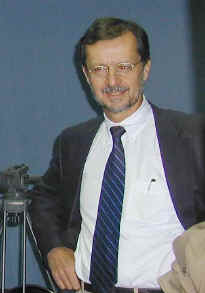
Dr. Huwiler has been at AUK for 6 months. The Star decided it would be a good idea to see what he has done so far and what students think of him. When Dr. Huwiler arrived in August he established a list of priorities.
1. Technology
2. AUK’s Financial Situation
3. Curriculum Development
4. University Governance
Dr. Huwiler stated in an interview that he started working right away on our computer problems as soon as he arrived. AUK now has 70 new computers all of which will eventually be hooked up to the Internet. Dr. Huwiler plans to use the new computers to begin offering distance-learning courses via the Internet in the near future.
 The Open Society Institute and the US State Department support AUK. Both
of these organizations do not want to support us forever. Alone AUK collects
about $800 dollars per student. It
spends about $2500 per student per year. “There isn’t any immediate
financial crisis but we don’t know how to pay our bills in the future. To deal
with these problems Dr. Huwiler plans to set up a development office, which will
be responsible for grant writing, and charitable gift solicitation. Indiana
University plans to send a Development officer to train staff members sometime
during the spring. AUK is also trying to establish a trust fund. A 15 million
dollar endowment is needed to start a trust fund big enough to provide AUK with
stable revenue. Dr. Huwiler is working with several groups to try and raise this
money.
The Open Society Institute and the US State Department support AUK. Both
of these organizations do not want to support us forever. Alone AUK collects
about $800 dollars per student. It
spends about $2500 per student per year. “There isn’t any immediate
financial crisis but we don’t know how to pay our bills in the future. To deal
with these problems Dr. Huwiler plans to set up a development office, which will
be responsible for grant writing, and charitable gift solicitation. Indiana
University plans to send a Development officer to train staff members sometime
during the spring. AUK is also trying to establish a trust fund. A 15 million
dollar endowment is needed to start a trust fund big enough to provide AUK with
stable revenue. Dr. Huwiler is working with several groups to try and raise this
money.
AUK may not be experiencing a financial crisis but the cancellation of elective classes due to budget shortages affected many students. The Star’s informal survey showed that students perceived these cuts in a very negative way.
AUK is moving very rapidly toward implementing a credit system and a new curriculum. “I think we will be completely ready for a credit hour system for freshmen,” said Dr. Huwiler. He assured us that students currently enrolled in AUK will not see any change in their program unless they want to change. Dr. Huwiler hopes that the new curriculum will be much more demanding for students. He feels that making students do independent work will give them a much better education. The credit system will make it much easier for AUK to be accredited. Dr. Huwiler is currently working on getting AUK admitted into one of the US academic regional bodies. This will then allow AUK to get US accreditation.
The transfer to the credit system has been a difficult process. Many staff members are still worried that decreasing the number of contact hours with students will cause a decrease in their pay. In the six months that Dr. Huwiler has been in office he has not managed to make it clear to every teacher that they will face no reduction in their pay. The administration has made no effort to explain the new system to students. As a result many students oppose the system even though they do not really know what it is.
Dr. Huwiler has acted to make University governance more comprehensible and understandable. Under his guidance the academic senate is coming up with a clear plan of University management, and what bodies make what decisions, and how those decisions can be appealed.
Most students and teachers are largely unaware of the things that Dr. Huwiler is doing. When asked, what has Dr. Huwiler done as president students usually can’t think of anything. Some of them mention the new computers or the credit system. According to an informal survey done by The Star shows that only 44 percent of the student body has talked to Dr. Huwiler. Most of the students who talked to him did so during the meetings held with each department at the end of last semester. Many students mentioned that they would like Dr. Huwiler to be more accessible and present within the University. Teachers don’t know specifically what Dr. Huwiler is doing but are generally supportive. Teachers seem to enjoy Dr. Huwiler’s personal style saying things like he is friendly and easy to talk to.
by Anisa Afshar
The selection of participants for this year’s Budapest Conference has created lots of noise and discontent among AUK students. They feel that the selection was unfair, undemocratic, closed, and biased. This editorial is designed to reveal their voice and let CEP know what students think about this situation and improve its work. I am sure that CEP will appreciate the concern of the students, since CEP is intended to be for students. “The main goal of CEP conferences is to try and give students a focus and reason to develop their critical abilities by writing research papers, and competing with other students who are also developing their critical skills,” said Norma Jo Baker, the regional director of CEP in Central Asia.
 I would like to point out that this article is not intended to bring into
question the quality of those proposals that got accepted. It is to question and
criticize the procedure of selection.
I would like to point out that this article is not intended to bring into
question the quality of those proposals that got accepted. It is to question and
criticize the procedure of selection.
Norma Jo Baker commented on the CEP selection policy saying “No one is allowed to attend the same conference with one paper.” So even if some students attend every year they should write different papers each time. Last year, as probably you all remember, 10 students from AUK went to the Budapest Conference, and only one was not from Kyrgyzstan. These students were chosen in two rounds. The first round, in AUK, was a committee of six or seven CEP lecturers, who all read the proposals, and then ranked each proposal. Then the ‘A’ list was published so that all applicants could see where their proposal was on the scale. Four students were chosen in list A. None of them had participated before in the Budapest Conference. Then 18 other proposals were sent to Budapest to be reviewed by an unbiased jury. From those 18 proposals, the Budapest jury selected 6, creating list ‘B’. Therefore a total of 10 students got a chance to go to the Budapest Conference.
Nothing like that took place this year. “We decided not to differentiate between good students and those who had been to the Budapest Conference before,” said NJ Baker. So half of these “good” students got selected right away in the first round. This year the selection procedure was also very different from last year’s. As Norma Jo Baker explained to me, there were 14 spots for all 4 countries of Central Asia (Kyrgyzstan, Kazakhstan, Uzbekistan, and Mongolia). In the first round each country will choose 6 proposals. In AUK we had a total of 40 proposals. TWO of the CEP lecturers-Chad Thompson, and Amanda Wooden, read all 40 of them, and then chose 6 of them. In the second round, each country gave 6 proposals to a jury of 5 people, Norma Jo Baker, and one CEP lecturer from each country. Out of all 24 proposals all 6 proposals from AUK were accepted. Mongolia got only one, Uzbekistan and Kazakhstan got 4 each.
Looking at the selection procedure this year, even if it is not compared to last year’s, it seems completely unfair and ridiculous. Having two people decide who to accept and who to fail is absolutely preposterous. “No one judged his/her own students’ papers,” said Ms. Baker. But can this really be accurate? AUK is a small community, and the IR department is even smaller. Everybody knows each other and there is no chance of having an unbiased selection. Everybody pretty much knows who wrote which proposal. Even if we assume that these two CEP lecturers were absolutely unbiased and objective toward each proposal the procedure still makes no sense, since 34 proposals were eliminated in the first round and only 6 made it to the second round, were all of the 6 proposals were selected again! Too much of a coincidence! “AUK should be very proud that 6 papers are going from AUK,” said Ms Baker. I am sure AUK is proud, but it could have been much more proud if those 6 papers would be selected in a fair process.
Many AUK students are upset about the way the selection was performed. “I believe that students who have not participated in the Budapest Conference in previous years, should have been selected,” said an IR junior. “Of course CEP can do whatever it wants, but its support of its ‘favorite’ students is unfair. I would like Chad and Norma Jo to clarify the situation publicly,” said an IR sophomore. “I think Uzbek students were favored by their teachers. I think the result of the selection process is corrupt,” said another IR sophomore. “I cannot understand CEP saying that because of adding Mongolia to the Central Asian proposals, the number of AUK proposals accepted decreased this year. One paper from Mongolia makes no difference. Why did the number of AUK papers decrease?” said an IR freshman. “This year the selection of CEP Budapest participants was unbelievable, and extreme. The way information was given out, the way CEP fellows indiscriminated among students, the way participants were ‘selected’ were all too unbiased to leave you with a doubt,” said an IR junior. “ I think that people who selected the proposals this year, should have visited last year’s Budapest Conference on Participation and TRANSPARENCY,” said an IR sophomore. “If I knew only two teachers would read our proposals I would have never written it,” said a sophomore student. “Students should not participate in CEP conferences anymore, they are corrupted”, said an IR junior. “CEP seems to accept the same people, there is already like a list of people...Lily has been to, I think, 6 or now even 7 conferences,” said a sophomore student. “I find NJ’s and Chad’s actions through their work in Bishkek outrageous. Budapest conference selection process just worsened my opinion of CEP,” commented another sophomore student. “CEP has internal self contradiction. It wants to dictate democratic principles through authoritarian means,” said an IR junior.
All the students who gave me their comments asked me not to mention their names. I wonder why? Are they afraid of possible future discrimination?
Another weird issue in this year’s selection process is its secrecy. “Did the Applicant Appraisals play any role in the selection?” asked an IR sophomore. Since almost none of the students had a chance to see what questions were asked in this appraisal, I will publish them here:
“The purpose of this form is to increase the information available to the selection committee regarding the relative strength of each student application”. A. Please assess the overall quality of the paper proposal. Consider how the proposal paper builds upon the applicant’s experience and knowledge in this particular area. B. Please appraise the student applicant in the following areas: 1. Overall academic ability, 2. Command of written English, 3. Command of spoken English, 4. Ability to speak in public 5. Eagerness and ability to make a serious contribution to panel discussion. C. If you are advising other student applicants, how would you rank this application relative to the others?
Did these appraisals have any weight in the selection? No one knows, because there was no feedback on the proposals. Last year all the proposals were returned to the students, with notes and scores on the originality, demonstration of critical skill, language, and overall rank of the proposal. It was not only open and democratic; it also gave the students a chance to learn from their mistakes.
AUK trusted CEP and the students are used to seeing CEP as an open, and democratic institute that could be their model. Will CEP recover its relationship with its students? Only time will tell.
Questions About CEP, Answered By Norma Jo Baker
The Civic Education Project (CEP) Central Asia has been working in the region since 1995, and at the American University in Kyrgyzstan since 1997. CEP Central Asia has grown at an incredible rate, from two lone fellows in Almaty in 1996, to 24 Visiting Lecturers and Eastern Scholars in the academic year 2001, now working in Kazakhstan, Kyrgyzstan, Uzbekistan and Mongolia. CEP Central Asia has a special arrangement with AUK, and has a whopping total of seven Visiting Lecturers and one Eastern Scholar teaching here this year. By way of comparison, in all of Uzbekistan there are six fellows; in Kazakhstan, there are five; and in Mongolia, only three. During this academic year alone, CEP Central Asia is teaching some 2,000 students, and has a further several hundred students of CEP alumni…all of whom are eligible for, and interested in, participating in CEP student conferences.
 CEP Central Asia has supported over 160 students to attend national and
international conferences during this academic year alone.
Amongst those, we've had the pleasure and the privilege to support AUK
student participation in significant numbers and in a variety of locations:
in Croatia (Anisa Afshar); at the Issyk Kul Debate Forum (Saltynat
Sadykova, Veta Shapkina, Elnura Osmonolaieva, Irina Dotsenko, Sasha Shapkina,
Anton Kliuchkin, Yulia Minibaeva, Erik Mambetakunov, Mirkhat Alykulov, Renata
Chikaeva, Nasiba Kasymova); in Glasgow (Elnura Osmanalieva, Mirkhat Alykulov);
in Ukraine (Jibeka Aitmatova, Natasha Poyasok, Veta Shapkina, Taalai Nasirdinov)
in Nizhni Novgorod (Talaibek Mambetov), in Samarakand (Merim Japarova, Nurzat
Myrsalieva, Alisa Ismailova, Jyldyz Oscoeva), in the CEP Regional Conference in
Bishkek (Irina Dotsenko, Merdon Halilov, Botagoz Kassymbekova, Zinaida
Kvashnina, Gulzeyin Sharipova, Manas Toktombaev, Veniera Urgaeva), in Lithuaina
(Rustam Eshaev),
Budapest (Kumar Bekbolotov, Lily Gataullina, Darya Isachenko, Yulia
Minibaeva, Rustam Mukhamedov, Saltanat Sadykova), at the Issyk Kul Geopolitics
Conference (Azamat Ababakirov, Shairbek Juraev, Kumar Bekbolotov, Merdan
Halilov, Halil Razaev, Kyail Toksonbaev, Melis Turgenbaev).
CEP will also be supporting another nine AUK students to attend the Model
United Nations Security Council Conference in Tashkent in May.
CEP Central Asia has supported over 160 students to attend national and
international conferences during this academic year alone.
Amongst those, we've had the pleasure and the privilege to support AUK
student participation in significant numbers and in a variety of locations:
in Croatia (Anisa Afshar); at the Issyk Kul Debate Forum (Saltynat
Sadykova, Veta Shapkina, Elnura Osmonolaieva, Irina Dotsenko, Sasha Shapkina,
Anton Kliuchkin, Yulia Minibaeva, Erik Mambetakunov, Mirkhat Alykulov, Renata
Chikaeva, Nasiba Kasymova); in Glasgow (Elnura Osmanalieva, Mirkhat Alykulov);
in Ukraine (Jibeka Aitmatova, Natasha Poyasok, Veta Shapkina, Taalai Nasirdinov)
in Nizhni Novgorod (Talaibek Mambetov), in Samarakand (Merim Japarova, Nurzat
Myrsalieva, Alisa Ismailova, Jyldyz Oscoeva), in the CEP Regional Conference in
Bishkek (Irina Dotsenko, Merdon Halilov, Botagoz Kassymbekova, Zinaida
Kvashnina, Gulzeyin Sharipova, Manas Toktombaev, Veniera Urgaeva), in Lithuaina
(Rustam Eshaev),
Budapest (Kumar Bekbolotov, Lily Gataullina, Darya Isachenko, Yulia
Minibaeva, Rustam Mukhamedov, Saltanat Sadykova), at the Issyk Kul Geopolitics
Conference (Azamat Ababakirov, Shairbek Juraev, Kumar Bekbolotov, Merdan
Halilov, Halil Razaev, Kyail Toksonbaev, Melis Turgenbaev).
CEP will also be supporting another nine AUK students to attend the Model
United Nations Security Council Conference in Tashkent in May.
Given this strong showing of support CEP Central Asia has invested in AUK students, it has been disheartening to hear of student discontent with the CEP Budapest selection outcome. There seem to be four sources of displeasure that has been expressed to me by teachers and students, and I'd like to address those in turn:
1) How did the selection process work? This selection was undertaken the way in which all CEP conference selections occur: CEP fellows are asked to volunteer to sit on a selection committee. All CEP fellows were invited to participate in the selection process. The CEP Central Asian volunteers agreed to participate in January, and two fellows from each country read and ranked all in-country proposals. In Kyrgyzstan there were 49 proposals submitted, and no fellow ranked his or her own student's proposal. Proposals were judged upon five criteria: their relevance to the theme of the conference, the presentation of the argument , the structure and language, the advisor's appraisal, and an "overall" category. The final scores were tallied, and the top-ranked six proposals from each country were sent onward to the second round selection committee, which was composed of one fellow from each country and myself. The five of us then read, and once again ranked, those 24 proposals, and the top 14 (the amount allotted to CEP) were selected to participate;
2) Are there any restrictions on who gets to go to Budapest? CEP Country Directors decided, back in October, that there would be no restrictions placed upon who could attend the conference. This allowed all students to apply, regardless of what their previous CEP experience had been. The only restriction that we place upon students is that they cannot deliver the same paper at more than once conference. Why did we decide this? The argument that won the day was because it seemed unfair to penalize good students, and that participation in a CEP conference should change the student for the better. It would be a shame, then, to not let students further develop their academic skills after having the experience of participation in a CEP conference;
3) AUK sent eleven participants last year. Why only six this year? Well, because even though Mr. George Soros is very generous, CEP does have limited resources. Students may remember that AUK only sent six students to the 1999 Budapest conference, as well. At the same time, CEP Central Asia was allocated nineteen students last year, and only fourteen this year. The conference itself is smaller this year, and each region has fewer students attending. AUK students should feel quite proud, it seems to me, as it is the only university (and only country) in which all six applicants in the second round were selected.
4) Why are there so few Kyrgyzstani students representing Kyrgyzstan? I must admit, this is the most troubling complaint I've heard thus far. The students selected in any country are representing their CEP-affiliated universities, and their CEP program (in this case, Central Asia), but not their countries. CEP would never consider restricting or allocating participant spaces in its events on the basis of citizenship. AUK is a wonderfully international university, and surely students wouldn't want CEP to select students along nationality lines, would they? Besides, given the number of AUK students I listed above whom we've supported for various conference events, it is difficult to argue that we overselect Uzbeks, or Tatars, or Uyghurs, or any other nationality. CEP's interest is in supporting excellent students, and we are convinced that the AUK representatives to all our conferences are excellent students.
I'd like to take the opportunity to congratulate all the AUK students who have participated in CEP events this year, and to thank them for doing such a fine job representing CEP Central Asia. Working with you is truly a pleasure.
Norma Jo Baker
Central Asia Country Director
Civic Education Project
Office Number 221 -- please don't hesitate to come and see me if you have problems, concerns or questions about CEP Central Asia.
PS: When do I get to do the Q & A???
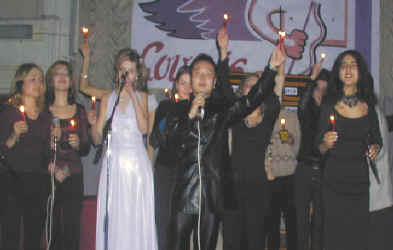
AUK gathered all beloved and single people on Wednesday February the 14th in the CH of the new building for a Valentine’s Day party. The master of ceremonies was Marat Yusupov. He did a good job of it. People were laughing with his subtle humor and the audience was rather excited. Many people enjoyed the game played by the two teams: X lovers and Love challengers. The Love challengers won the game. They did not have enough points for the super prize but still got the heart shaped cake. One of the members of the winning team Elena Rekunova said, “The cake was too small and the candidates to eat it were too many.” Jerry Zheng sang a duet “The sweet lover” in Chinese. I asked him if it was hard to perform but he replied that after being a singer and DJ back in his country it was rather easy. I asked him what he thought was interesting in the show and what did he like personally. He stated that: “the craziest person is very funny.”
 AUK
can’t live without comments. A few guys in the back seats were shouting random
words during the show like: “vodka, wow baby do it etc.” That proves the
fact that no matter how smart and intelligent we try to act, there are still
“different” kinds of people in our university.
AUK
can’t live without comments. A few guys in the back seats were shouting random
words during the show like: “vodka, wow baby do it etc.” That proves the
fact that no matter how smart and intelligent we try to act, there are still
“different” kinds of people in our university.
The musical breaks were nicely performed. Every person who sang that evening probably sang it from the bottom of his/her heart, devoting the songs to their beloved friends.
Sanjar Zikirov and Fatima Gayazova announced “The best…” nominations. For those who didn’t get to know the winners:
|
The craziest student was: |
Serdar Bekgenov. |
|
The best smile was: |
Maria Rechkunova |
|
The funniest teacher: |
Tremasova Galina Gavrilovna |
|
The best poster: |
Jenia Kim |
|
The best AUK club: |
SIFE |
|
The queen: |
Perizat Ibragimova |
|
The king: |
Azamat Bazakov |
The nominee of the funniest teacher of AUK Galina Gavrilovna slipped in her one sentence speech a whole lecture, which could be very important for the students. Gentle and kind Maria Rechkunova said that everybody else’s smile wasn’t any worse than hers. Serdar was sooo happy that he lost himself on the stage and just wished everybody good health. The queen seemed to be very surprised and shocked by the victory and couldn’t say much. The king was making up for both of them.
Actually, it turned out that the “real, chosen” king was supposed to be Pavel Milyutin but somehow Student Senate “fixed” it into somebody else’s name in a day. What was the reason of changing the names of two guys is still unknown puzzle. Merdan Halilov has resigned from the Student Senate. He was bothered by the fact that his “colleagues” were making changes behind his back.
Congratulations to the winners! Happy St. Valentine’s Day to the all Star readers and the rest of the AUK family!!! I wish you to love and be loved forever…
Referendum Concludes Valentines Day Vote Scandal
By John Atwood
The student senate hung by a thread as the votes were counted from the February 27th referendum on whether to dissolve the Student Senate or not. When the vote count was finished Deborah Eisenberg, Student Affairs Coordinator, announced that 130 students voted in support of the current student government. 104 voted to dissolve the current student government and hold new elections. Voter turnout was 31 percent.
The referendum was the result of a public forum held on February 23rd. About 50 people attended the forum. Deborah Eisenberg started off the meeting by giving her version of the events leading to the Student Senate’s decision. According to her the Student Senate had decided on all the nominations for Valentines Day two weeks ago at one of their regular meetings. According to her understanding the Student Senate meeting on February 13th was intended for counting the ballots of the Valentines Day election. “I believed we weren’t going to change the ballots,” She said. She also said that Pavil Milutin got 13 votes and that Azamat Bazakov got 7. Deborah concluded by retracting the statement she made in The Star’s urgent issue that was circulated around the university prior to the referendum. She made it clear that Azamat had done nothing wrong and that the Student Senators had not shown any favoritism whatsoever.
Merdan Haliov was next to present his version of the story. He had resigned from the Student Senate and made it clear that he would not run again should new elections be held. His account of events nearly coincided with Deborah’s account, but with a few extra details. He said that Tali Mamatbetov had told him on the morning of Valentines Day that the king had been changed. Merdan claimed that Tali told him that the other Senators did not tell him or Deborah because they could not find them. Merdan said that he or Deborah had not been told because those who changed the results knew that they would object, not because they could not be found.
Halil Razarov was next to speak. He claimed that the Student Senate had not decided how to count the votes on the Tuesday before Valentines Day. He also said that AUK had a tradition of having the King and Queen of AUK be a couple. Halil said that he inspected the design of the ballot and approved it, overlooking the fact that there were two separate lines for King and Queen.
Alexander Kiral spoke next. He accused Anisa Afshar of printing a biased and unethical article in the special issue of The Star. He claimed that Anisa’s article had created most of the problem.
Tali Mametbetov took the stage next. He, along with Halil claimed that the issue of how to count the ballots was not resolved on Tuesday night. He explained that he, Marat, and Halil made the decision to crown Azamat king of AUK on Valentines Day morning. Tali concluded by apologizing to the students for what had happened.
After the rest of the senators had finished Azamat spoke. He made it clear that he was the victim of the Student Senate’s decision, and that his reputation had suffered. He asked Anisa to apologize for Deborah’s allegation of favoritism that was published in the The Star. Anisa responded by saying that she could not apologize for something that Deborah had said. She explained that the Student Senators who made the decision to change the result of the vote did not cooperate with her requests to grant an interview. Instead, they opted to write their own article, which appeared right next to Anisa’s.
The floor was then opened. Mr. Hansen spoke first. He explained that America has a long and established tradition of having white males be president. “What if there was an election and a black female got more votes than a white male. Would the people who count the votes change the result because it was tradition to have a white male president?” asked Hansen. The audience gave him a loud round of applause as he left the room.
The audience seemed rather hostile to the Student Senate. Most of them called for some sort of a referendum on dissolving the student senate or for reelections of the Student Senate. The Student Senators seemed responsive and apologized profusely for the situation. The audience was composed largely of IR students. At times the debate shifted to issues of political legitimacy or other issues that might not necessarily have been on the minds of other students. The forum was conducted in an orderly manner and ended with the Student Senate agreeing to hold a referendum.
By Ilgiz Kambarov
Water makes up about 65% of the human organism. The life of any being is impossible without water. So occasionally diving and swimming strengthen your body.
 The
swimmers carefully took off all their garments in the locker room. Then each of
them washed their body. The stretched and warmed up as they showered. Then they
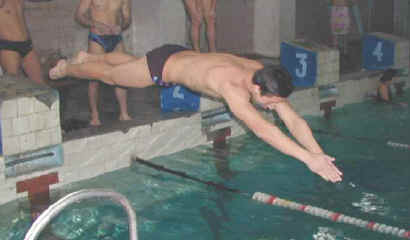
entered the swimming pool. In this way AUK’s swimming competition began on
February 3rd. The event was very successful. There were many students
from different years of study. The wet competitors tried their best on the
25-meter distance. The competition was friendly and pleasant. They tried their
best also they enjoyed it very much. They kept laughing, pushing each other into
pool, and of course swimming as hard as possible, as usual. Egorenko Eugenie,
master of sport, conducted the event.
The
swimmers carefully took off all their garments in the locker room. Then each of
them washed their body. The stretched and warmed up as they showered. Then they
entered the swimming pool. In this way AUK’s swimming competition began on
February 3rd. The event was very successful. There were many students
from different years of study. The wet competitors tried their best on the
25-meter distance. The competition was friendly and pleasant. They tried their
best also they enjoyed it very much. They kept laughing, pushing each other into
pool, and of course swimming as hard as possible, as usual. Egorenko Eugenie,
master of sport, conducted the event.
Swimmers were falling and sometimes sliding on the wet stage trying just to jump in to pool. It was really amazing. They had great time and rest from the boring lectures.
This competition was among ladies and gentlemen. Eventually after long and intense competition winners showed up.
These guys just took out their places, as they were really good. Kumar and Meder two worthy competitors became the leaders in the end. They were really close in time. Both of them were very tough and very experienced in swimming. But eventually Kumar showed the best time over all.
There were few girls. Just about five of them nevertheless they showed remarkable skills. The tough guys who won got soft toys and sweet chocolates! All the participants enjoyed these.
Kazanbaev Dmitry (MBA student) who swam past the competition showed the best time-score on twenty-five-meter distance that is 12,5 seconds. Observing this process I got much experience how to observe. Swimming is not just moving your body through the liquid substance, it is also fun.
By Fatima Gayazova
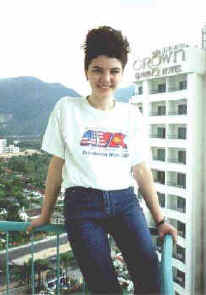
I was met with these words of welcome in the Central Malaysian Airport as a participant of the first International Student Forum which was held in Malaysia from 22 to 30 January in Kuala Lumpur, the capital city. The main topic was Education in Asia.
In comparison with a more or less interesting Forum, and making presentation about Kyrgyz System of Education for other participators from India, Indonesia, Thailand, China, Australia, visiting Malaysia itself was more fascinating and informative for me.
Two
words describe it all… Hot & Humid! Average temperatures range from 21
to 32 degree Celsius. This is the general climate throughout the year,
although they do have their year-end monsoon season.
It is difficult to overstate
the attraction of Malaysia for anyone who appreciates the natural world. Its
primal forests, ranging from shoreline mangrove to mountaintop oak, are of the
sort that most of the world now knows only in myths.
Malaysia consists of two parts, commonly known as East Malaysia and West Malaysia, which is sometimes also known as Peninsula Malaysia. East Malaysia occupies part of the Indonesian island of Kalimantan and is made up of the two States of Sabah and Sarawak
West
(or Peninsula) Malaysia is made up of eleven States namely Perlis, Kedah,
Kelantan, Terengganu, Pahang, Penang, Perak, Selangor, Negeri Sembilan, Malacca
and Johore, with the Federal Territory of Kuala Lumpur being located within the
State of Selangor.
Size Doesn't Matter at all!! Well, as Malaysians say: ”We are not the
biggest country around, but we believe that great things comes in small
sizes!”
Simply, Kuala Lumpur!
 I
spent my first few days in the capital of Malaysia, waiting for other
participants of the forum. Two days in Kuala Lumpur, an exotic sounding name
that is! It has the full of the mystery of the Orient, evoking images of hot,
steamy jungles and the faded influence of British imperial rule. These were my
first impressions of this wonderful place.
I
spent my first few days in the capital of Malaysia, waiting for other
participants of the forum. Two days in Kuala Lumpur, an exotic sounding name
that is! It has the full of the mystery of the Orient, evoking images of hot,
steamy jungles and the faded influence of British imperial rule. These were my
first impressions of this wonderful place.
KL (official shortened version) is becoming increasingly popular on the stopover roster. But so far, the huge, ghastly, shopping centers and other trappings of mass western tourism, while still in present, are not as obviously "in your face" as they are.
But it is still very much possible to enjoy more traditional South East Asian attractions in Kuala Lumpur, for example the Chinatown area. As people there say, “To get from the 20th century to the 18th century just cross the street."
Kuala Lumpur is fun to visit, and well worth at least a two-day stop. The people are friendly, the climate is excellent and the food to die for (and cheap)!
 Food
Food
It is completely impossible to stay hungry in Malaysia, because food is at every corner and very cheap. Satay is the most popular and traditional dish of Malaysia. Bite-sized pieces of beef, mutton or chicken are marinated in spices, then skewered through thin bamboo strips, and barbecued over charcoal fire. Satay is served with ketupat (rice cake) and a raw salad of cucumber, pineapple and onions. Sweet spicy peanut gravy accompanies the dish. Very delicious!
“Pearl of the Orient”
After
staying in KL we moved to tourist center, Island Pulau Penang. The system is the
similar to ours, where Bishkek is the capital and Issyk-Kul Lake is the tourist
center. Right now imagine the same situation but with different names; KL is the
capital and Island Penang is a place for tourists. More over even the local
situation is very familiar. The local population is very smart and can scam
“you” tourists and visitors. But it’s nothing when you see and enjoy its
outstanding
beaches and exotic sights, which made it one of the most popular destinations in
the region.
First of all, Penang needs little introduction to many visitors to
Malaysia, having long been known as one of Southeast Asia's finest destinations.
As fabulous as its beaches are, some of Penang's deeper mysteries should also be
experienced. According to local folklore, the Snake Temple, dedicated to a
Buddhist healer-priest, was inhabited by snakes, which crawled out of the jungle
on the night of the temple's completion. The snakes are still there today.
Who are Malaysians?
Ask any tourists to Malaysia about its people, and you’ll probably get the standard answer: "…multi-racial mix living in harmony". Forty-eight distinct groups of people live within the country. Together they make up the almost 20 million population. Most visitors are awed by their ability to live together in peace. Must be the local food!
Cultures have been meeting and mixing in Malaysia since the very beginning of its history. More than fifteen hundred years ago a Malay kingdom in Bujang Valley welcomed traders from China and India. With the arrival of gold and silks, Buddhism and Hinduism also came to Malaysia. A thousand years later, Arab traders arrived in Malacca and brought with them the principles and practices of Islam. By the time the Portuguese arrived in Malaysia, the empire that they encountered was more cosmopolitan than their own. You can go from a Malaysian kampung to a rubber plantation worked by Indians to Penang's Chinese kongsi and feel you've traveled through three nations.
Another feature, which confused me a little bit, was the language. While Bahasa Malaysia is the national language, English is generally understood and spoken by the major races. But if you want to converse with a local in English, be prepared to be left confused by the end of your conversation. Candidly known as "Manglish" (Malaysian English). The language has inculcated the local dialects as well as certain local intonations too.
And Education at last!
After really rough and strict days in schools, the Higher Education System is freedom for students! It’s time when you can say goodbye to the crew cut and uniform. Hello to ponytails, earrings & baggy pants, which probably can sneak in all your snacks! A time for students to pursue their choice of education, en-route to future careers.
In general their universities have plenty of similarities with AUK. Institutes of higher education are government or private universities, as well as private colleges. Opportunities are plenty; from certificate & diploma courses, to local degrees or foreign degrees. The duration for degree courses varies from 3 to five years, while certificates and diplomas can be obtained in as short as a matter of months.
Just visiting Malaysia, seeing a few sights, meeting its people, and eating good food, is already more than enough to make for an unforgettable trip. Your best memory might be a quiet day you spend wandering the green nature, or breathing in the earthy air of a kampung. Usually, it is the Malaysians themselves you remember most, their smiles and generosity. That said, Malaysia also offers some very special activities, and if you make room for one or two of them, they will enhance your trip immeasurably.
It is really vivid and splendid! But sometimes making presentation about Kyrgyzstan, and telling other international students about AUK, I missed my country too much and I thought about the old proverb “A new place is good but home is better!”
Madeleine In Wonderland, Profile of a Foreinger in AUK
By Alevtina Naumova
The world is spinning. More than that sometimes it is running away from your own feet. People come to AUK from Haiti, Guatemala or Britain and have a long breather on their further rush to Jamaica or Mongolia.
 ŽGud Duy!
Toduy we're goeen to talk about the cunstitution of the United StaitsË, that's
from room 201, new building. I go along the corridor: ŽOui, au'jourdhui je vais
vous raconter…Stop! That's just to get your attention! Listen now.Ë That is
the next classroom. We are so used to switching languages and accents that
sometimes we don’t even notice it. People come, people go. That’s a life
rhythm we are accustomed to. Our world is spinning like mad.
ŽGud Duy!
Toduy we're goeen to talk about the cunstitution of the United StaitsË, that's
from room 201, new building. I go along the corridor: ŽOui, au'jourdhui je vais
vous raconter…Stop! That's just to get your attention! Listen now.Ë That is
the next classroom. We are so used to switching languages and accents that
sometimes we don’t even notice it. People come, people go. That’s a life
rhythm we are accustomed to. Our world is spinning like mad.
This movement is not that significant beyond the walls of AUK and thus is not being questioned. It’s not the physical order of things that is different here; we just look at them differently. What for? Maybe, it is something we want to do here at this very moment. Who knows where we will end up with the next spin?
You know people come, people go. One of them is Madeleine Reeves.
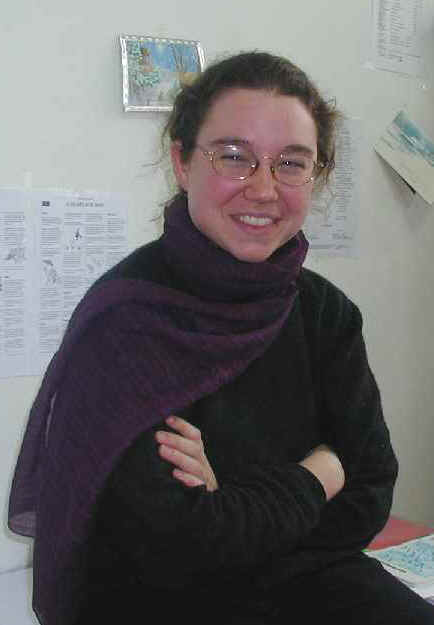 Classic English family was waiting for a little girl to come up for
tea… That’s probably how the story of Madeleine in Wonderland would start if
told by her dad. But the only version we can get here is hers.
Classic English family was waiting for a little girl to come up for
tea… That’s probably how the story of Madeleine in Wonderland would start if
told by her dad. But the only version we can get here is hers.
 What I was
wondering about heading towards the Sociology department was why in the world a
young English woman would become so interested in Kyrgyz culture, folklore and
language as to come here and… But gosh, haven’t we talked about that
already? Alice was bored and followed the rabbit. Isn’t this explanation good
enough?
What I was
wondering about heading towards the Sociology department was why in the world a
young English woman would become so interested in Kyrgyz culture, folklore and
language as to come here and… But gosh, haven’t we talked about that
already? Alice was bored and followed the rabbit. Isn’t this explanation good
enough?
At 18 Madeleine Reeves got to go to Velikiy Novgorod. “I didn’t have much sense of where I was going, really,” she says, “I was interested in Russian culture and music, but I knew absolutely nothing.” A lot of people thought it was nonsense, especially her friends who were going straight to college. In terms of big life decisions it was the craziest one as well one of the most important. In fact, she wouldn’t have come to Kyrgyzstan otherwise.
Madeleine remembers standing at the airport security custom shocked. She was trying to smile when being watched for about 5 minutes. She looked into the guy’s eyes. He wouldn’t look back. Sounds rather naive, doesn’t it? But how is one supposed to feel if he “came out among people that walk with their heads downwards”?
Every culture has its unspoken rules. Codes of behavior that are central for everyday communication. People look differently, smile differently, laugh differently. At the end you find yourself staring at the teapot; does it actually boil in this part of the world?
“What makes me feel self-sufficient?” she shrugs her shoulders. “I am at my happiest when people in the streets take me for a local, which doesn’t happen very often.”
“What I like the most about being in new culture is that it makes you see your own culture differently, you become alert to unspoken codes of behavior… You have a chance to compare.”
 Madeleine
hesitates for a while when asked about the country she would have liked to grow
up in: “I think I might choose
Switzerland or Scandinavia. That sounds like a strange thing to say, but I think
Scandinavian society fosters tolerance and I like that. They are quite
liberal”. Madeleine would prefer it to the conservative environment she
grew up in. She talks a lot about being an outsider. Her mom is originally from
Switzerland. That gave Madeleine an opportunity to look at society with the
perspective of a foreigner. It did not make her take for granted things that
were usual for Britain. “It costed me
grief when I was a child, because I didn’t quite fit in,” she says, “but
retrospectively, I think it gives you distance from your own culture that I
value.”
Madeleine
hesitates for a while when asked about the country she would have liked to grow
up in: “I think I might choose
Switzerland or Scandinavia. That sounds like a strange thing to say, but I think
Scandinavian society fosters tolerance and I like that. They are quite
liberal”. Madeleine would prefer it to the conservative environment she
grew up in. She talks a lot about being an outsider. Her mom is originally from
Switzerland. That gave Madeleine an opportunity to look at society with the
perspective of a foreigner. It did not make her take for granted things that
were usual for Britain. “It costed me
grief when I was a child, because I didn’t quite fit in,” she says, “but
retrospectively, I think it gives you distance from your own culture that I
value.”
Madeleine considers her 6-month stay in Russia her most productive period so far, although she had never had that much spare time before, nor after that. She taught in the morning and spent her afternoons engaging in an ancient Russian ritual, “kitchen talks”. Once she had taken a train to Ufa. Well, that sounded great: “Ya poedu v Ufu”. Madeleine says she has grown up emotionally; she has matured. That was also time needed to get ready for college.
Madeleine did her BA in Politics and Sociology in Cambridge University. There were weeks when she hardly slept. Her masters followed in The University of Chicago.
 And what about Kyrgyzstan? Oh sure, she just loves it! What else could I
have expected in response? Madeleine sincerely enjoys local culture as much as
teaching. In fact, she does not separate her professional interests from her
personal ones. She first came here in 1998 to teach English in a village in
Karakol. That was her senior year. She
is now here as a CEP lecturer planning to write her Ph.D. on Central Asian
issues.
And what about Kyrgyzstan? Oh sure, she just loves it! What else could I
have expected in response? Madeleine sincerely enjoys local culture as much as
teaching. In fact, she does not separate her professional interests from her
personal ones. She first came here in 1998 to teach English in a village in
Karakol. That was her senior year. She
is now here as a CEP lecturer planning to write her Ph.D. on Central Asian
issues.
Madeleine loves our history, our folklore, our culture and languages. She is trying to integrate and to get rid of her accent.
“At this age I am sort of living in the present. And in the present I feel I am very much a wanderer. I don’t know where I’ll be. I don’t even know what country I’ll be in. I won’t be surprised if I’ll find myself in a country that hasn’t even crossed my imagination. I think I’ll always be a bit of a wanderer…”
 Madeleine
Reeves is an explorer of the world. The “curiouser” it gets the more
worthful it becomes exploring. Who knows how the story of “Madeleine in
Kyrgyzstan” is going to end, but she does not seem to be willing to wake up
yet. Lucky queen!
Madeleine
Reeves is an explorer of the world. The “curiouser” it gets the more
worthful it becomes exploring. Who knows how the story of “Madeleine in
Kyrgyzstan” is going to end, but she does not seem to be willing to wake up
yet. Lucky queen!
As I walk through the cafeteria from the Sociology department I hear a woman laughing as she mixes up languages. She has traveled around Europe acting in a youth theater. By the way, she loves camping as nothing else in her life and dreams about going white water canoeing. Oh yes, Madeleine would also love to do a very long hike with minimum resources…
AUK TV PRODUCTION CLUB enters Hong Kong short films festival.
By Alevtina Naumova
Nikolay Grigorievich was walking through the park energetic as usual. His tie was trembling on the wind and the snow was crunching under his heavy boots. This could fit in a usual morning picture. But what if that was pretty much all the clothes he was wearing? Sergey Bogdanov was hanging from a nearby tree trying to get these unique shots. Nothing to worry about, that’s just TV Production Club in process.
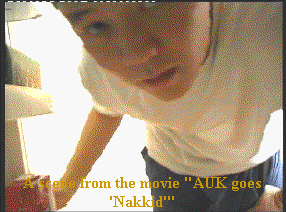 The
scene described, belongs to the recent movie filmed by TV Club for the Hong Kong
festival. It talks about “unoriginality”, probably in the most original way
possible. The main character, starring Taalay Mambetov, wakes up in the morning
and tries to figure out what to wear. He changes at least fifty times before he
gets annoyed and decides to go in his underwear. To his surprise everybody at
the university is walking around naked without paying any attention to their “nekkidness”.
The
scene described, belongs to the recent movie filmed by TV Club for the Hong Kong
festival. It talks about “unoriginality”, probably in the most original way
possible. The main character, starring Taalay Mambetov, wakes up in the morning
and tries to figure out what to wear. He changes at least fifty times before he
gets annoyed and decides to go in his underwear. To his surprise everybody at
the university is walking around naked without paying any attention to their “nekkidness”.
The movie titled “Nekkid” is about five minutes long. “We don’t know the exact nomination,” says Fatima Gayazova, appointed producer, “we’ll see what category it will fit in best.” The director, Zima, does not care whether they will win or not. He is more concerned with the exposure AUK TV Production Club will get, as well as AUK itself. The movie was sent on the 26th of February.
AUKers might remember the rumors about the “AUK Halloween Project” by the TV Club that were roaring about the university last October. The whole staff was spending literally days and nights in the university filming. Finally, it turned out that the last, the most important shot was lost due to the death of the batteries. Incidents like that are common in the film world. Thanks to Zima’s efforts the shots filmed were put in an integrated shape, but the movie happened to go beyond the editing room only on the Old New Year celebration in Iceberg disco club.
There are three movies in production. Ideas by Sasha Shpakova, Sergey Bogdanov and main cameraman Anton Kluchkin, are being currently considered by Zima. Hopefully, the result will not make us wait.
The camera has some magnifying power. It takes quite a while to get used to seeing yourself just the way you are. All the wrinkles, pimples and silly gestures seem to fill the whole screen without leaving any space to your concealed genius. People that watch this world through the blue screen get a little different picture of it. To be exact, they create their own.
It is hard to call this creative crowd “a club”. These are people banded together by a common desire “to do movies”. Despite being so different they manage to do common things just for the sake of interest. Most of them are from the journalism department, although being a journalism student is not mandatory. All you need to have is a strong desire to work on movies and at least some alcoholic resistance.
An Open Letter on The Credit-Hours System
By Madeleine Reeves
“WHY DO WE NEED A CREDIT HOURS SYSTEM AT ALL??!!” The question, of course, wasn’t new. Since the start of last semester, when talk of “credit hours” first started circulating on campus, I have been asked numerous times by students and colleagues what exactly the implications of a shift to the new system would be for them and for AUK. What disturbed me last week, however, when I was asked the question again by an exasperated sociology student was the fact that there seems to be as much confusion about the system now as there was six months ago. Would it affect all students or just the new first years? How would the University make sure that there would be the resources available to support the greater volume of independent work? Would there be the same quantity of electives on offer? Would next year’s classes be measured in points or in credit hours...? Kto znaet? I certainly don’t.
The fact that I don’t worries me, and not because I ever expected the change-over to be an easy ride, without questions, obstacles and a fair amount of experimentation. I am bothered, rather, because the whole situation epitomises the chronic failure of the AUK Administration to communicate with the wider University community about the motivations for, and full implications of, the change to a credit-hours system. The suspicions and rumours that are currently circulating around campus - that the system is being introduced simply in order to gain U.S. accreditation for the University, that it is an underhand way to cut budgets and teachers, that it will turn AUK into a zaochnyi institution - are indicative of an Administration that has failed to engage the students and faculty in any kind of discussion about why it sees the change-over as necessary.
I am offering this “open letter” in a spirit of debate. I personally believe that the credit hours system of teaching and accreditation is a good one, that students would benefit from having fewer classroom hours, and that it could successfully be introduced into AUK. However, I have profound reservations about the manner in which the change-over is being conducted. The current impulse seems to be to rush through changes whilst Kyrgyzstan has a Minister of Education in place who is sympathetic to the cause, without fully articulating the implications of the change to the students and teachers whom it will affect. This “act now, ask questions later” approach risks generating precisely the kind of resistance that will cause a potentially good system to fail in its infancy. That is not something I want to see for AUK.
So why does AUK need a credit-hours system? First of all, we need to distinguish the relatively simple issue of credit-hour assessment (which means getting “credits” for classes taken instead of “points” and is in itself no more or less arbitrary than any other way of clocking up how much work you do), with the whole credit-hours system, which seeks to place greater emphasis on independent work outside the classroom that is currently the case at AUK. It is the second of these two which is really at the heart of the question of whether AUK “needs” credit-hours. And, on the face of it, the concern is indeed a valid one: why do we need to change to a system in which students will be taking fewer courses, spending less time in the classroom, and paying the same amount of tuition? Surely there must be some kind of scam going on....?
Well, yes if you see University education as a mere continuation of what was going on at school and the classroom as its sole site of learning. Personally, I don’t. The vast majority of real learning (and by that I mean that kind of learning that sticks in your head and your gut long after you have had to relay it in an exam at the end of term) goes on outside the classroom: it’s when you have to write papers that you really realise whether you grasped a particular idea or not; it is in having to defend and elaborate upon those ideas in a consultation with the teacher that you learn how you might have articulated those ideas better, and ultimately it is in reading and re-reading an author yourself that you really get at what you think is being said. An education in which the value of learning (and the quality of teaching, for that matter) is measured only piece-rate, in classroom hours, devalues all of these other aspects. More importantly, a curriculum in which students are spending at least 18 para a week in classes means that that those other kinds of learning hardly have a chance to occur - there is just no time to assimilate the material that is being soaked up in the classroom.
If it is well implemented (and that’s the rub!), a credit-hours system does give a chance for those other sites of learning to be acknowledged, and for students to really gain from carrying out and receiving feedback on independent work. But in order for that benefit to be felt, a whole host of other criteria need to be met - otherwise a cut in classroom hours will simply mean a cut in the overall education that a student receives. That demands a commitment to students and teachers that both the material resources for productive independent work be made available (books, photocopies, computers, reading rooms...) and that the institutional support be given to reflect the change in pedagogical emphasis (will the “10 student minimum” still apply for a course to run? Will consultations be remunerated? Will faculty be given the release time to re-work their courses for a credit-hours curriculum?). More importantly, however, if any such change is to be effective, is that students and teachers must be “brought on board” - for us to be told, as adults, why the Administration believes this change to be necessary, the educational benefits it will bring, as well as the potential costs. My great regret is that opportunities for real dialogue never seem to have been seized: at the Rektorat we are presented month in month out with the same platitudes that “nothing really need change” even though every head of department, trying to rework their curriculum for a 144-credit course-load, knows full-well that it does. As a result, the very people who ought to have been most solidly behind the changes are themselves increasingly opposed.
The reality is that a credit-hours move does demand changes, and that those changes need to begin from the “bottom up”, by convincing students and teachers that the change is one which is worth pursuing. I believe that that support for the move once was, and potentially still could be there, but it cannot be marshaled unless we, as a University community are engaged in some honest, open and realistic dialogue about the full implications (negative as well as positive) of the change. Otherwise the move will be thwarted from the start – at best, through passive resistance; at worst, through students and teachers voting with their feet. We have too much at AUK to loose to risk letting that happen.
Top"We Are Not Crazy- We're Just A Bit Bizarre!"
By Roman Yumatov
The Psychology department is the most popular department among students. As the head of this program, Aaron Abramovich Brudny says ‘we have not so many students at our department who will be future psychologists but at least the half of the students at AUK attend our electives’. In fact, that is true, according to information provided by Olga Yun, the Psychology department office manager. Currently there are about 400 students, including prospective psychology students, who attend Psychology department electives. 150 students took one last year.
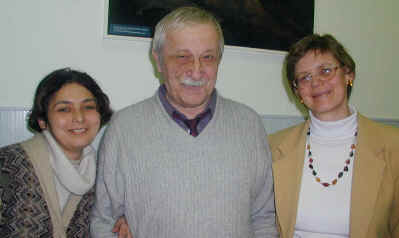 The
most popular classes take place in the smallest rooms of our University (like #
203, 206, 207 and so on. The Office of the Registrar’s was asked many times
simply to change the location of at least the largest classes, but there was not
ever any reply.
The
most popular classes take place in the smallest rooms of our University (like #
203, 206, 207 and so on. The Office of the Registrar’s was asked many times
simply to change the location of at least the largest classes, but there was not
ever any reply.
The curriculum of the Psychology program generally follows the curriculum of Indiana University’s psychology department. It is considered to be the best psychology education in Kyrgyzstan. The department is helping other universities in planning programs. Aside from this they also teach Psychology, print different books and organize workshops with the financial support from different institutions.
AUK is now waiting for the changes in the curriculums, connected to introducing the Credit-hours-system. For psychology students the number of required courses is going to be increased a bit. ‘Some courses, which are now electives are going to become required next year, but the number is not going to be enormous’, says Gulnara Uchkunovna Kurmanova, the assistant of the head of the program.
Next year “Introduction to Psychology” will be offered in both Russian and English. “That is so, because we are going to have some exchange lecturers including our alumni, who are studying for their Master’s degree now, to teach both some required and different elective courses starting next Academic year”, said Dr. Brudny. As far as the students from other departments who take psychology electives are concerned there will be no change in elective courses offered by the department. “We are not going to delete courses, which are popular among the AUK students, because our work is directed only for them specifically’, says Mr. Brudny. One more problem related to the electives presented by the Psychology department is that only one class does not have a prerequisite. This class is “Introduction to Psychology”. Which is the prerequisite for ALL of the other electives. Dr. Brudny said that ‘in fact we DO NOT need to have this prerequisite for all of the elective courses presented by our program and we are planning to change this for at least those who are going to take Psychology as a minor’.
Professor Brudny is sure that the new curriculum will work. He gives as an example an experiment where Psychology department students attended the “History of Psychology” class and then successfully created a Dictionary of Psychological terms & definitions, which is going to be published as soon as the financial support is found.
In addition, the AUK Psychology department supports a number of “Amnesty International Kyrgyzstan” projects. Special help was received, and fortunately will continue for the “I Love You the Way you are…” project.
At the start of this semester four students transferred to the Psychology department. And to those who would like to enter /transfer or simply to take some courses from this program it always says “YOU ARE WELCOME!"
Amnesty International's Recent Activities
By Kadyr Toktogulov
On February 8, 2001, the Bishkek group of Amnesty International held a presentation of its activities for AUK students. Last semester the group’s members held a successful “Human Rights Education Project” in two high schools in Voeno-Antonovka. The Soros Alumni Fund sponsored the project. Lola Ibragimova was the coordinator of the project. This March Nurzat Myrsalieva will go to Bled, Slovenia, to attend the Human Rights Education seminar held by the International Secretariat of AI. She will learn from the experiences of European AI groups in human rights education. Nurzat will later assist Lola with the project.

Another project, which was done by AI Bishkek, was “I love you the way you are.” This project aimed at increasing public tolerance towards homosexuals. Anna Kirey, initiator and coordinator of the project, had written a grant proposal, which was approved by the Open Society Institute. The grant includes books on gays and lesbians rights. The books will be delivered to AUK soon. Once they arrive they will be the only gay/lesbian library in Kyrgyzstan.
Currently the group is working on registration with the Ministry of Justice. It will give the group an opportunity to apply for grants, which will support its projects. Still the focus of the group’s work will be Human rights education and raising people’s awareness of human rights.
Where Does The Money For Scholarships Come From?
By Alexsandra Shpakova
Where does the money for AUK’s scholarship program come from? Being as curious as ever The Star has investigated the unknown facts to provide useful information for the students from all departments and years. In particular, this article is going to be focused on two main issues, Scholarship procedures, and funding for scholarships.
Scholarship application forms will be given out on March 15th and will be collected starting on the 9th of April. The minimum GPA requirement for a scholarship receiver is 3.2. But it is not a strict number. The application includes a special essay where a student can express and show his/her problems in achieving a high GPA during the last semester. A special committee, which consists of 9 AUK workers, will look at each applicant individually. The problems of everyone will be considered, because AUK cares about students, and even a large number of students applying does not prevent the Scholarship Committee from reading over each application and evaluating the problems of every student. Also, scholarships are available for only 8 semesters of studying in the university. If one of the students’ wishes to transfer and the number of semesters studying at another department exceeds 8, he or she will not have an opportunity to receive a scholarship. In fact you need to work really hard in order to apply and receive it. But this is just common procedure, what really interested The Star most, is where money for the scholarship fund comes from.
Indeed, many different organizations provide funds and financial support for AUK’s scholarship programs. Among these are OSI, AUK Scholarship Program, Institution grant for foreign(CIS) program, and the Soros Supplementary Grand. From the interview with Larisa Mihaylovna Lukasheva it appeared that the OSI (Open Society Institute) supports a great amount of programs in AUK.
The big project OSI is involved in is a scholarship fund for AUK. OSI yearly provides AUK with money for this fund. The fund is renewed every year. However OSI will not provide support forever. AUK will need to sick additional aid in the future.
AUK is a private institution and can be supported by different organizations and independent donations and funds, which provide aid for educational institutions. AUK is getting bigger, and with more students studying in the University it would be difficult to provide all them with the necessary scholarships. Lately, AUK has been striving for additional funds. It is the responsibility of the president and the vice president to look for such programs.
Another issue is difficulties with supporting international students who study at AUK. Every year AUK takes the challenge to internationalize this university by attracting more students from the CIS. Last year we had only 8 of them studying on a special program funded by the Soros Foundation. Soros supplied the same amount aid for foreign students as they did last year. This was not enough money seeing as the number of CIS students increased. However AUK managed distribute this money in good proportion and add some other money. The Soros Foundation is developing new programs and there is a possibility that CIS students will be supported and the scholarship budget will be increased.
However, the problem is that we really need money and support because we are a young university. Scholarships are a good way to promote educational institutions, but it is also necessary to have this money. It is the duty of all of us to help each other and to achieve the goal of real democratic education. We need to support those who need it and to give affordable opportunities to all to study according to the skills they have, which you know are pretty high at AUK. The statistics shows that there are 846 students who study at Auk and more than 50% of them are on scholarships. It would certainly be a pity if one day half of the talented and creative student, who is building AUK’s spirit, will need to resign only because of lack of money.
AUK Beats Peace Corps In Drinking Competition
By Jessica Buckingham
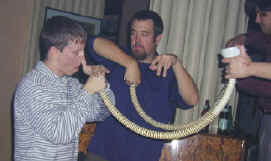 At the “Pub” on Friday nights you can find many AUK
students relaxing, having fun and proving their drinking prowess. Our students are often found there dancing, chatting and winning nearly
every drinking competition, including the most challenging “beerathalon”.
Sometimes competing against people twice their age and size in feats not
for the faint of heart (or stomach) and winning time after time. AUK has proved itself a force to be reckoned with at the bar.
At the “Pub” on Friday nights you can find many AUK
students relaxing, having fun and proving their drinking prowess. Our students are often found there dancing, chatting and winning nearly
every drinking competition, including the most challenging “beerathalon”.
Sometimes competing against people twice their age and size in feats not
for the faint of heart (or stomach) and winning time after time. AUK has proved itself a force to be reckoned with at the bar.
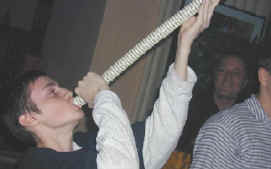 These drinking competitions are becoming quite
popular in Bishkek at places like the “Pub” and “Fatboys”. The “Yard of Ale” competitions at “Fatboys” are quite a sight to
behold. One and a half liters of
beer must be consumed in the least amount of time possible. One man drank the yard in two and a half minutes but the beer did not
stay dormant for long. It proved to be quite a show. One of our own staff
took part in the competition, with somewhat more successful results.
These drinking competitions are becoming quite
popular in Bishkek at places like the “Pub” and “Fatboys”. The “Yard of Ale” competitions at “Fatboys” are quite a sight to
behold. One and a half liters of
beer must be consumed in the least amount of time possible. One man drank the yard in two and a half minutes but the beer did not
stay dormant for long. It proved to be quite a show. One of our own staff
took part in the competition, with somewhat more successful results.
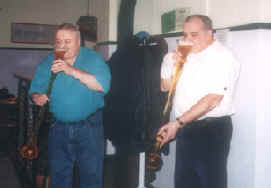 The
beer stayed down, but it took 36 minutes to drink it. The “beerathalon” competition must also be done in the
least amount of time possible. Contestants
have to drink nine glasses of beer and eat a bowl of vodka jello.
Our students have won the competition every time it has been held.
As someone who has competed in the competition, my partner got violently
sick, I did not, and living through the hangover the next morning, I can vouch
for its difficulty. The “Pub”
plans to continue these competitions every Friday.
Given the fact that the prizes are getting cheaper every weekend, who
knows how long it will last? The
question is, how long can the students last?
The
beer stayed down, but it took 36 minutes to drink it. The “beerathalon” competition must also be done in the
least amount of time possible. Contestants
have to drink nine glasses of beer and eat a bowl of vodka jello.
Our students have won the competition every time it has been held.
As someone who has competed in the competition, my partner got violently
sick, I did not, and living through the hangover the next morning, I can vouch
for its difficulty. The “Pub”
plans to continue these competitions every Friday.
Given the fact that the prizes are getting cheaper every weekend, who
knows how long it will last? The
question is, how long can the students last?
By Deborah Eisenberg
During Christmas break, I went on an two week trip to India with Valia Papoutsaki. It took me nearly a week after I came back to digest my experiences enough to put finger to keyboard, but by the time I was ready to retell it, I didn’t know where to start.
 I want to give you a little background for those who have not traveled to
India.
I want to give you a little background for those who have not traveled to
India.
1) Yes, India is exactly what people say it is. The streets are disgustingly dirty, cows wander around, the people are insanely poor, and some are horrendously disfigured. AND, the color is mesmerizing, the sites are extraordinary, and the food is spicy but excellent. One fellow traveler put it: “It’s nothing that I expected and everything I hoped for”.
2) India’s tourist industry exists on a commission system. If someone can con you into visiting a hotel, or shop, they usually get a commission from the hotel etc. This even works for restaurants. In addition, women travelers (especially without men and even more so if they’re western) get constantly harassed. Also, women and men lead completely separate lives. On the street, its mostly men, women stay at home. At the end of our trip Valia remarked “its good they still have arranged marriages in this country because if a women met the men before hand, they wouldn’t want to marry them”.
So, in order to explain this bizarre cacophony, I will simply try to describe all the things people say to you on the street.
Rickshaw drivers: “Rickshaw, rickshaw, you want rickshaw?”
Sleazy
man on the street #1: “Tourist information? Map of Delhi, guide to Taj Mahal,
bus to Agra?” (repeat three times fast).
Sleazy man on the street #2: “Where you from, which country madam, where you
go, you need guide?, I very good guide.”
Shoeshine boy: “ Shine your shoes? Your shoes very dirty, they need clean?”
Young boys on the street: “Rupee? One rupee? Food. Rupee?”
Now try to imagine all these things being said at once, now add some cows, pigs, dogs, monkeys, camels, food being cooked on the street, people selling everything from lampshades and bed linens to spices and inscence, and about a million cars and rickshaws (small moped driven carriages).
Now, that’s what happened when we landed in Delhi. Except of course we had to get scammed first. Traditional Indian welcome. Goes something like this: welcome to India, can I lie to you and steal as much of your money as possible before you figure out how this crazy system works? You, tired from your plane ride (even though ours was only three hours, we of course waited for four hours in Bishkek international airport) say something like, yes, I’d like your help, I am a bit dazed so for now I’ll give up some of my money, since its early in the trip and all, and I’ll put my trust in you. Now is where the fun begins. Said “tourist agent” then spends as much time as you’ll let them lying to you about any topic you’ll give them the time to talk about. Since you are tired of course these topics usually involve a hotel, its price and proximity, food nearby, what’s open, and where and how to get anywhere. Since the “tourist” business is totally rigged, this is all inclusive.
For us, the game ended somewhat quickly, but not after spending one night in an overpriced dump, yelling at our “tourist agent”- (Valia told him she was a journalist and she was writing a story on Delhi, and she was going expose him for the crook he was), and being lied to over and over again.
So, considering my cold, and us getting off on the wrong foot and all, we went to see the Red Fort, then we hightalied it out of Delhi. We braved the famous Indian train system to go to Jaipur (the capital of Rajastan). The trains are also what you expect. Completely overcrowded, dirty, weird smelling, and sometimes bizarrely friendly. So there we are in Jaipur. I left Valia outside to go get some information about taxi’s. She’s surrounded by oh, 20 men, who all drive rickshaws. They are mesmerized by her white skin, her long hair, the fact that she’s from Greece. Finally we get to our hotel. We ask if they have hot water. They say of course....we’ll bring it up in a bucket. I say “Valia, we need another hotel”. We checked out the Pink City (as Jaipur is called because pink is the color of hospitality and some royal ugly dude (read: important British official) came to visit and they decided for the occasion they would paint the whole city pink). So, after looking around the city ,and having some great food that night, we slept, only to get up again and move hotels. Now let me remind you, since we got scammed the first night in Delhi we stayed in two different hotels there, so this is our fourth night, and also our forth hotel. However, I guess the forth time’s a charm, cause where we ended up was amazing. So amazing in fact that we stayed in Jaipur 3 more days.
Stronger
by Britney Spears

hey, yeah
Hush,
just stop
There’s nothing you can do or say, baby
I’ve had enough
I’m not your property as from today, baby
You might think that I won’t make it on my own
But now I’m…
Chorus:
Stronger than yesterday
Now it’s nothing but my way
My lonliness ain’t killing me no more
I’m stronger
That
I ever thought that I could be, baby
I used to go with the flow
Didn’t really care ‘bout me
You might think that I can’t take it, but you’re wrong
‘Cause now I’m…
CHORUS:
Stronger than yesterday
Now it’s nothing but my way
My lonliness ain’t killing me no more
I’m stronger
Come
on, now
Oh, yeah
Here
I go, on my own
I don’t need nobody, better off alone
Here I go, on my own now
I don’t need nobody, not anybody
Here I go, alright, here I go
Repeat CHORUS
Stronger
than yesterday
Now it’s nothing but my way
My lonliness ain’t killing me no more
I’m stronger
Original Prankster
by Offspring
Until
the break of dawn
Life life
Cannot go by the letter
Time time
Prozac can make it better
Noise noise
Any kind will do
Can you feel it slip away
When it’s all on you
Crime crime
Rockin’ like Janet Reno
Time time
Eighteen and life in Chino
Freud Freud
All along it’s true
Well you’ll see there comes a day
Catches up to you
Knock down the walls it’s alive in you
Knock down the place you’re alone it’s true
Knock down the world it’s alive in you
You gotta keep your head up through it all
You’re gonna
Bust out on it - original prankster
Break out yeah - original yeah
Bust out on it - original prankster
You never stop now, stop now
That’s what the main man say
You know it smells like shit
Goddamn
Tag team the double header
Son of Sam
Fire always makes it better
Navigate
With style and aplomb
Cause wherever you’re at
That’s the tip you’s on
Porcelain
by Moby
In my dreams I’m dying all the time
As I wake its kaleidoscopic mind
I never meant to hurt you
I never meant to lie
So this is goodbye
This is goodbye
Tell the truth you never wanted me
Tell me
In my dreams I’m jealous all the time
As I wake I’m going out of my mind
Going out of my mind
Californication
by Red Hot Chilie Peppers
Psychic
spies from China
Try to steal your mind’s elation
Little girls from Sweden
Dream of silver screen quotations
And if you want these kind of dreams
It’s Californication
It’s the edge of the world
And all of western civilization
The sun may rise in the East
At least it settles in the final location
It’s understood that Hollywood
Sells Californication
Pay your surgeon very well
To break the spell of aging
Celebrity skin is this your chin
Or is that war your waging
Chorus:
First born unicorn
Hard core soft porn
Dream of Californication
Dream of Californication
Marry me girl be my fairy to the world
Be my very own constellation
A teenage bride with a baby inside
Getting high on information
And buy me a star on the boulevard
It’s Californication
Space may be the final frontier
But it’s made in a Hollywood basement
Cobain can you hear the spheres
Singing songs off station to station
And Alderon’s not far away
It’s Californication
Born and raised by those who praise
Control of population everybody’s been there and
I don’t mean on vacation
Chorus
Destruction leads to a very rough road
But it also breeds creation
And earthquakes are to a girl’s guitar
They’re just another good vibration
And tidal waves couldn’t save the world
From Californication
Pay your surgeon very well
To break the spell of aging
Sicker than the rest
There is no test
But this is what you’re craving
Chorus
Poetry By Elnura Osmonalieva
²ÕáÝÐ
ºÞÝçÐÕâáï ×ØÜÐ, ßàØåÞÔ ÒÕáÝë ×ÐÜÕâØÒ,
ÃÖ áÝÕÓã ÜÕÝìèÕ áÞÛÝëèÚÞ âÕßÛÕÙ.
² ÚÐÛÕÝÔÐàÕ äÕÒàÐÛì ÚàÕáâÞÜ ÞâÜÕâØÒ,
¿àØÔÕâ ÒÕáÝÐ, Ø ÛÕâÞ ÒáÛÕÔ ×Ð ÝÕÙ.
Á ÒÕáÝÞÙ åÞÛÞÔÝëÕ áÕàÔæÐ ÞââÐîâ,
½ÐçÝãâ ÛîÑØâì, ÒÕáÝã Ò íâÞÜ ÒØÝï.
¸ ÛìÔØÝÚØ çÕàÝëå ÔãÜ á ÛîÑÞÒìî ÑãÔãâ âÐïâì,
¸ ÑãÔÕÜ Üë ÔÞÑàÕÙ ÔÕÝì Ø× ÔÝï.
²ÕáÝÐ ßàÞÙÔÕâ, Üë ÔÐÖÕ ÝÕ ×ÐÜÕâØÜ,
¸ ßãáâì ×Ð ÝÕî ÞáÕÝì ØÛì ×ØÜÐ.
µÕ ßàØåÞÔ ÔÞáâÞÙÝÞ Üë ÞâÜÕâØÜ,
ÇâÞÑë Ò ÔãèÕ ÒáÕÓÔÐ ÑëÛÐ ÒÕáÝÐ. (27.02.97)
ºÐÚ ÑëáâàÞâÕçÝÐ ÝÐèÐ ÖØ×Ýì.
½Õ ÒÛÐáâÝÞ ÒàÕÜï çÕÛÞÒÕÚã.
½ØÚâÞ ÝÕ Ø×ÑÕÖØâ áãÔìÑë
ÁãÔìÑÐ ßÞÚÞàÝÐ ÓÞÔã, ÒÕÚã.
¿àÞåÞÔïâ ÔÝØ, ÛÕâïâ ÓÞÔÐ.
ÇÐáë ÑÕ×àÞßÞâÝëÕ áÛãÓØ ÒàÕÜï
±ìîâ ÚÐÖÔëÙ çÐá ÚÐÚ ßàØÓÞÒÞà
½Õ ÞáÞ×ÝÐÒ Òáî âïÖÕáâì ÑàÕÜï.
±Õ×ÒÞ×ÒàÐâÝÞ âÕçÕâ ÚÐÚ ÒÞÔÐ
±ÕáßÞéÐÔÝÞÕ ÖØ×ÝØ ÜÕàØÛÞ.
»Øèì çÐáë ÝÕãáâÐÝÝÞ ÑÕÓãâ
¾âÑØÒÐï áÒÞÙ ÜÐàè ãÝëÛÞ. (06.02.98)
¼ØÛÐï ãÛëÑÚÐ, ÓàãáâÝëÕ ÓÛÐ×Ð,
½Þ ßÞ áÜãÓÛëÜ éÕÚÐÜ ÚÐâØâáï áÛÕ×Ð.
ÁÕàÔæÕ ÜÞÛÞÔÞÕ, ÑÞÛì, ÛîÑÞÒì, âÞáÚÐ...
Âë ×ÐçÕÜ ßÐàÝØèÚÐ ßÞÛîÑØÛ ÜÕÝï?
¿ÞçÕÜã ÝÞçÐÜØ ÞÑÞ ÜÝÕ ÓàãáâØèì
¸ ÑëÛÞÕ Ò ßÐÜïâØ çÐáâÞ ÒÞàÞèØèì.
ÁÕàÔæÕ ÜÞÛÞÔÞÕ, ßÞçÕÜã ÝÕ áßØèì?
ÂïÖÕáâìî ÑÕááÞÝÝØæë Ôãèã âë âÞÜØèì.
½Þ ßàØ ÝÐèØå ÒáâàÕçÐå âë ÝÕ ßàïçì ÓÛÐ×Ð,
Ï ßÞ ÝØÜ ÒÕÔì ×ÝÐî, ÛîÑØèì âë ÜÕÝï.
½Õ áÚàëÒÐÙ ÖÕ çãÒáâÒÐ Ò âÐÙÝÕ ÒáÕ åàÐÝï,
»ãçèÕ ÚàØÚÝØ ÓàÞÜÚÞ: «Ï ÛîÑÛî âÕÑï!»
Preemptive Instead Of Reactive, Responses To Cultural Shock
By Konstantin Sudakov
The majority of the stories of exchange students reveal that upon the return to their home countries students feel very detached from their friends, family and the world in general. Individuals suffer as they try to understand what is going on and how they should deal with it. They undergo “a cultural shock,” which causes a lot of stress, depression and simply pain. It could be different.
Students who went to the States as exchange students are considered to be strong and mature because they have learned to live “between two worlds.” So far there are many stories of exchange students and their year abroad. But it seems that they all are basically the same, excluding some rare variations. But we also know that there is no conformity ever. Everybody has to have at least a slightly different experience concerning their exchange and also different cultural shocks as one adjusts to the new community and readjusts to the previous one. Up to now generally it has not been the case.
Alumni constantly hear sad and touching stories about students facing the complexities of fitting into the society back at home. They started to unconsciously develop the stereotype that it is normal, natural, and perhaps in a way even “cool” to go through a culture shock with all its peculiarities and difficulties. For a long time many alumni talk, write and discuss the readjustment period. This sends the wrong message spreads among others. “That is what makes you a real exchange student,” says the idea embedded into their heads idea. “It is all a part of the exchange experience,” you hear in turn from ACCELS workers all the time, “Do not worry, everyone goes through that!” The issue has never been brought up so it remains in most of alumni’s heads.
The result is that all exchange students go back home planning to have a cultural shock. They do not try to look into the future before departing from the States. They do not think ahead and do not prepare to deal with it. The adaptation period upon returning home was traumatic in many ways for recent alumni. That trauma could be avoided if alumni would get ready and have a plan on how to avoid a cultural shock and have smooth transition back into their home society.
Each student who gets close to the end of his or her stay in the United States should be preemptive. It is necessary for them to get ready to face the upcoming problems and difficulties and to think of ways to solve them in advance. Most alumni appear to be reactive, they respond to a situation when they face it and do not plan how to avoid it beforehand. It is not cultural shock that makes you a successful participant of an exchange program! You are successful if you are able to avoid it! Only then one can say you are strong and mature and you can be proud to be an alumnus of the exchange program.
Dear Star Staff,
Just to let you know that I check the site out from London and read [it] with glee, as I'm sure do the others who I forward it to...
The site looks great and the paper is picking up; I'm really impressed.
I'm sure you do get criticism; every paper does. I'm sure 80% of the time people are full of s*** and are just angry because you don't print what they would have printed were *they* editing it (it's the same with books); the other 20% is good stuff that can help you improve! :) I'm enjoying it anyway, and finding it useful for keeping up with both internal AUK news and external politics and opinion.
With warmest regards and my best to the staff,
Sarah Amsler
... The good thing is that you, guys, are not just accepting what authority tells you, and about that, I am very proud. This whole deal with the Valentine's Day thing (even though it sounds like a silly issue to get so much attention) shows me that AUK students do stand up for their rights, at elast sometimes. That is a very good thing!
Ari Katz, the former Student Affairs Coordinator
Dear Star
If nothing interesting ever happens in AUK at least we know that from time to time we will have the Star coming out and it will finally make our ‘academic’ life nice and exciting for a while. That we will sit in the library and discuss the issues VERY quietly (no matter the librarians will shout at us again) or at least laugh at the silly spelling mistakes! I especially like the Q & A thing. It’s cool! I few times saw how the layout was set and I have to admit I never thought making the paper was so difficult! Your work is impressive. Let the Star shine and catch everyone’s eyes. Maybe I’ll join you someday!
Thank you guys.
Ahoura
PS The pix are now much nicer!
By Lola Ibragimova
¿ÕàÕåÞÔ Þâ ÚÞÝâÐÚâ-çÐáÞÒ Ú ÚàÕÔØâ-çÐáÐÜ
ÒáÕÞÑêÕÜÛîé – ãÝØÒÕàáØâÕâã ßàÕÔáâÞØâ áÔÕÛÐâì
äØÛÞáÞäáÚØÙ ÒëÑÞà. ºëàÓë×áâÐÝ, ÚÐÚ àÕáßãÑÛØÚÐ,
ÒëÑàÐÛ ÝÕ×ÐÒØáØÜÞáâì. ¿àØÝïâØÕ áØáâÕÜë,
Ò ÚÞâÞàÞÙ ÐÚæÕÝâ ÔÕÛÐÕâáï ÝÐ áÐÜÞáâÞïâÕÛìÝÞÕ
ßÞ×ÝÐÝØÕ áâãÔÕÝâÐÜØ, ×ÒÕÝÞ âÞÙ ÖÕ æÕßØ. ·Ð íâØÜ ÑãÔãéÕÕ.
´ÞÚâÞà ¼ÐàâÐ ¼ÕààØÛÛ,
«ÁØáâÕÜÐ ÚàÕÔØâ-çÐáÞÒ. ¿ÕàÕÜÕÝÝÐï áÞ ÜÝÞÓØÜØ ×ÝÐÜÕÝÐâÕÛìÝëÜØ».
½ÐÒÕàÝÞÕ, ÚÐÖÔëÙ Ò ÝÐèÕÜ ãÝØÒÕàáØâÕâÕ áÛëèÐÛ áÛÞÒÞ «ÚàÕÔØâ-çÐáë», ÝÞ ßÞ-ÝÐáâÞïéÕÜã ÞÑêïáÝØâì, çâÞ íâÞ âÐÚÞÕ,áÜÞÓãâ ÝÕÜÝÞÓØÕ. ÆÕÛì íâÞÙ áâÐâìØ – ßàÞØÝäÞàÜØàÞÒÐâì çØâÐâÕÛÕÙ áâãÔÕÝ-çÕáÚÞÙ ÓÐ×Õâë “The Star” Þ âÞÜ, Ò çñÜ ÖÕ Òáñ-âÐÚØ ×ÐÚÛîçÐÕâáï áÜëáÛ àÐÑÞâë ÝÞÒÞÙ áØáâÕÜë Ø Ò çñÜ Õñ ÞâÛØçØÕ Þâ áãéÕá-âÒãîéÕÙ áÕÓÞÔÝï áØáâÕÜë ßÞØÝâÞÒ. ÇâÞ ßàÕÔáâÞØâ Ø×ÜÕÝØâì? ¿Þ áÛÞÒÐÜ ¼Ðàâë ¼ÕààØÛÛ, íâÞ ÝÕ ßàÞáâÞ ßÕàÕåÞÔ Þâ ÞÔÝÞÙ äÞàÜë ÞæÕÝØÒÐÝØï ×ÝÐÝØÙ áâãÔÕÝâÞÒ Ú ÔàãÓÞÙ – «ÞÝ ÞâàÐÖÐÕâ àÐ×ÛØçØï Ò ÞÑàÐ×ÞÒÐ-âÕÛìÝÞÙ äØÛÞáÞäØØ».
² áØáâÕÜÕ ÚàÕÔØâ-çÐáÞÒ ÐÚæÕÝâ ÔÕÛÐÕâáï ÝÐ áÐÜÞáâÞïâÕÛìÝãî àÐÑÞâã áâãÔÕÝâÐ. 1 ÚàÕÔØâ-çÐá àÐÒÕÝ 1-Üã ÐÚÐÔÕÜØçÕáÚÞÜã çÐáã àÐÑÞâë Ò ÚÞÝâÐÚâÕ á ßàÕßÞÔÐÒÐâÕÛÕÜ Ø ßàØÜÕàÝÞ 2-Ü çÐáÐÜ áÐÜÞáâÞïâÕÛìÝÞÙ àÐÑÞ-âë. ÍâÞ Þ×ÝÐçÐÕâ, çâÞ áàÕÔÝØÙ Úãàá “áâÞØÜÞáâìî” 3 ÚàÕÔØâ-çÐáÐ, ÑãÔÕâ ßàÞÒÞÔØâìáï 3 àÐ×Ð Ò ÝÕÔÕÛî ßÞ 50 ÜØÝãâ. ¿àØ íâÞÜ áâãÔÕÝâë ÔÞÛÖÝë ×ÐâàÐçØÒÐâì ÔÞ 6-âØ çÐáÞÒ Ò ÝÕÔÕÛî ÝÐ áÐÜÞáâÞïâÕÛìÝãî àÐÑÞâã. ² ÔÐÝÝÞÙ áØáâÕÜÕ ßàÕßÞÔÐÒÐâÕÛì – íâÞ ÝÕ «ÜãÔàÕæ, áÛÞÒÞ ÚÞâÞàÞÓÞ – ÒáÕÜã ÒÕÝÕæ», Ð áÚÞàÕÕ ÓØÔ. ¾Ý ÔÞÛÖÕÝ ßÞÞéàïâì Ø áâØÜã-ÛØàÞÒÐâì áâàÕÜÛÕ-ÝØÕ áâã-ÔÕÝâÞÒ Ú áÐÜÞáâÞï-âÕÛìÝÞÜã ßÞ×ÝÐÝØî, ßÞÜÞÓÐï ØÜ, ãÓÛãÑÛïâì ØÝâÕàÕá Ú Ø×ãçÐÕÜÞÜã ßàÕÔÜÕâã. ºÐÚ ÓÞÒÞàØâ ¼ÐàâÐ ¼ÕààØÛÛ, «íâÞ âàÕÑãÕâ Þâ ßàÞäÕááÞàÞÒ ßÕàÕÞáÜëáÛØÒÐÝØï áÒÞØå ÚãàáÞÒ, ãçÕÑÝëå ßÛÐÝÞÒ, Ø, ÞáÞÑÕÝÝÞ, ×ÐÔÐÝØÙ. µáÛØ æÕÛì- ×ÐáâÐÒØâì áâãÔÕÝâÞÒ ÚàØâØçÕáÚØ Ø ÝÕ×ÐÒØáØÜÞ ÜëáÛØâì, ãçØâì Øå âÐÚ àÐÑÞâÐâì á ØÝäÞàÜÐæØÕÙ, çâÞÑë ÞÝØ ÝÕ ßàÕàëÒÐÛØ ßàÞæÕáá ßÞ×ÝÐÝØï Ò ÑãÔãéÕÜ, âÞ ßàÞáâÐï ×ãÑàñÖÚÐ ×ÔÕáì ÝÕ ÓÞÔØâáï». ² íâÞÜ áÛãçÐÕ áâÞØâ ßÞÔçÕà-ÚÝãâì, çâÞ ãÝØÒÕàáØâÕâ ÞÑï×ÐÝ ßàÕÔÞáâÐÒÛïâì ÒáÕ ÝÕÞÑåÞÔØÜëÕ àÕáãàáë, âàÕÑãîéØÕáï áâãÔÕÝ-âÐÜ ÔÛï áÐÜÞáâÞïâÕÛì-ÝÞÙ àÐÑÞâë: ¸ÝâÕàÝÕâ, ÒØÔÕÞ- Ø ÐãÔØÞ-ÜÐâÕàØ-ÐÛë, ÚÝØÓØ, ßÕàØÞÔØ-çÕáÚØÕ Ø×ÔÐÝØï.
±ÞÛìèÕÕ ÚÞÛØ-çÕáâÒÞ ÚàÕÔØâ-çÐáÞÒ ÑãÔÕâ ÔÐÝÞ áâãÔÕÝâÐÜ, ßÞáÕéÐîéØÜ ÑÞÛÕÕ áÛÞÖÝëÕ ßÞ ãàÞÒÝî Úãàáë. º ßàØÜÕàã, Ò çÕàÝÞÒÞÜ ÒÐàØÐÝâÕ ßàÞÓàÐÜÜë ÞÑãçÕÝØï áâãÔÕÝâÞÒ ÝÐßàÐÒÛÕÝØï «¿áØåÞÛÞÓØï» °ÃºÐ ãÚÐ×ÐÝÞ, çâÞ ßÕàÒÞÚãàáÝØÚØ, ßÞáÕ-éÐï ßàÕÔÜÕâ «²ÒÕÔÕ-ÝØÕ Ò ßáØåÞÛÞÓØî», ßÞÛãçÐâ ×Ð ÝÕÓÞ 1 ÚàÕÔØâ-çÐá, Ð áâãÔÕÝâë âàÕâìÕÓÞ Ø/ØÛØ çÕâÒñà-âÞÓÞ ÚãàáÐ, ØÜÕîéØÕ ßàÕÔÜÕâ «ºÞÜßÛÕÚáÝëÕ áØáâÕÜë Ò ßáØåÞÛÞÓØØ ßÞ×ÝÐÝØï», ßÞÛãçÐâ 3 ÚàÕÔØâÐ. ²áÕÓÞ ÖÕ ×Ð ÞÔØÝ áÕÜÕáâà áâãÔÕÝâ ÜÞÖÕâ ÝÐÑàÐâì 15 ÚàÕÔØâ-çÐáÞÒ. ¿àÕ×Ø-ÔÕÝâ ´íÒØÔ ÅìîÒÐÙÛÕà ãÑÕÖÔñÝ Ò âÞÜ, çâÞ âàÐÝáÚàØßâë áâãÔÕÝâÞÒ °ÃºÐ ÑãÔãâ ïáÝë Ø ßÞÝïâÝë Ò áÛãçÐÕ Øå (áâãÔÕÝâÞÒ) ßÕàÕÒÞÔÐ Ò ãçÕÑÝëÕ ×ÐÒÕÔÕÝØï, ÝÐåÞÔïéØÕáï ×Ð àãÑÕ-ÖÞÜ.
·ÐÝØÜÐïáì áÐÜÞáâÞïâÕÛì-ÝÞ, áâãÔÕÝ-âë ÑãÔãâ ßàÞÒÞÔØâì ÜÕÝìèÕÕ ÚÞÛØçÕáâÒÞ ÒàÕÜÕÝØ Ò ÐãÔØâÞàØïå. ÍâÞ ßàØÒÕ-Ôñâ Ú âÞÜã, çâÞ áâã-ÔÕÝâë ÝÕ áÜÞÓãâ ØÜÕâì ÑÞÛìèÞÙ ÝÐÑÞà ÚãàáÞÒ. ° íâÞ, Ò áÒÞî ÞçÕàÕÔì, ßÞ×ÒÞÛØâ Ø×ã-çÐâì ÒëÑàÐÝÝëÕ áâã-ÔÕÝâÞÜ Úãàáë ÑÞÛÕÕ ãÓÛãÑÛÕÝ-ÝÞ Ø àÐ×ÝÞ-áâÞàÞÝÝÕ, «ÝÐ ÞáÝÞÒÕ ÓÛãÑÞÚØå Ø ÞáÜëá-ÛÕÝÝëå ×ÝÐÝØÙ, ÔÕÙ-áâÒØâÕÛìÝÞ ØáâØÝ-ÝÞÓÞ ãÒÛÕçÕÝØï ÜÐâÕàØÐÛÞÜ».
By Fatima Gayazova
ÁÞÒáÕÜ ÝÕÔÐÒÝÞ, 23 äÕÒàÐÛï, áÞáâÞïÛáï ßàÐ×ÔÝØÚ ·ÐéØâÝØÚÞÒ ¾âÕçÕáâÒÐ. ¿àÐÒÔÐ Ò ÝëÝÕèÝØÕ ÔÝØ ÞÝ ÒáÕ çÐéÕ Ø çÐéÕ ×ÒãçØâ ßàÞáâÞ ÚÐÚ ´ÕÝì ¼ãÖçØÝ.
¸× ÓÞÔÐ Ò ÓÞÔ Üë ßàÕÔÐÝÝÞ áÛÕÔãÕÜ âàÐÔØæØØ Ø ÞâÜÕçÐÕÜ íâÞâ ßàÐ×ÔÝØÚ, ×ÐçÐáâãî ×ÐÑëÒÐï Þ ÕÓÞ ØáâÞàØØ. ¼ë ßàÞáâÞ ÒáßÞÜØÝÐÕÜ Þ ÜãÖáÚÞÜ ßÞÛÕ Ø ßÞ×ÔàÐÒÛïÕÜ Øå á âÕÜ, çâÞ ÞÝØ Õáâì ßàÕÔáâÐÒØâÕÛØ ÜãÖáÚÞÓÞ ßÞÛÐ. ·ÐÑÐÒÝÞ, ßàÐÒÔÐ? ² èÚÞÛÐå ÔÕÒÞçÚØ ÔÐàïâ ßÞÔÐàÚØ ÜÐÛìçØÚÐÜ, Ò ãÝØÒÕàáØâÕâÐå ÔÕÒãèÚØ ßÞ×ÔàÐÒÛïîâ áÒÞØå ÞÔÝÞÚãàáÝØÚÞÒ á 23 ÄÕÒàÐÛï, ãÒÕàÕÝÝÞ àÐááçØâëÒÐï ÝÐ ßÞÔÐàÚØ Ú ¼ÕÖÔãÝÐàÞÔÝÞÜã ¶ÕÝáÚÞÜã ´Ýî. ² ÝÐèØ ÔÝØ 23 ÄÕÒàÐÛï ÚÐÚ-âÞ ßÞâãáÚÝÕÛÞ ÝÐ äÞÝÕ âÐÚØå ßàÐ×ÔÝØÚÞÒ ÚÐÚ ´ÕÝì ÁÒïâÞÓÞ ²ÐÛÕÝâØÝÐ, ¼ÐáÛÕÝØæÐ, ½ÞÞàã×, ²ÕçÕà »ØâÕàÐâãàë Ø â.Ô.
ºÐÚ ÝÕ ÑÐÝÐÛìÝÞ, ÝÞ °Ãº ÝØÚÞÓÔÐ ÝÕ ÞâÜÕçÐÕâ ´ÕÝì ·ÐéØâÝØÚÞÒ ¾âÕçÕáâÒÐ ßãÑÛØçÝÞ. ÂÞ ÛØ ·ÐéØâÝØÚÞÒ ¾âÕçÕáâÒÐ ã ÝÐá ÝÕâ, âÞ ÛØ ÞÝØ âÐÚØÕ ÝÕ×ÐÜÕâÝëÕ ØÛØ Øå âÐÚÞÕ ÜÕÝìèØÝáâÒÞ, çâÞ ÔÐÖÕ ßàÐ×ÔÝÞÒÐâì Øå ÔÕÝì âÞ Ø ÝÕ åÞçÕâáï... °ãããã, ×ÐéØâÝØÚØ, ÀÞÔØÝÐ ÒÐá ÝØÚÞÓÔÐ ÝÕ ×ÐÑãÔÕâ!!! ½Õ ÒÕèÐÙâÕ ÝÞá! ¿ãáâì ÒÐá ÝÕ ÒØÔÝÞ, ßãáâì Òë ÝÕ ×ÐÜÕâÝë, ßãáâì Òë áâÐÝÞÒØâÕáì áÕàëÜØ ÝÐàïÔã á ÔàãÓØÜØ ÓÕàÞïÜØ ÝÐèÕÓÞ ÒàÕÜÕÝØ—ßÞÜÝØâÕ, ÚÞÓÔÐ ßàØÔÕâ ÒÐèÕ ÒàÕÜï, ÁÒïâÞÙ ²ÐÛÕÝâØÝ ÝÕ ßÞÙÔÕâ ×ÐéØéÐâì ºëàÓë×áâÐÝ, Ð íâÞ áÔÕÛÐÕâÕ Òë!!!! ° ßÞÚÐ ÔÞÒÞÛìáâÒãÙâÕáì áÚàÞÜÝëÜØ ÔØäØàÐÜÑÐÜØ Ø áØÜÒÞÛØçÕáÚØÜØ ßÞÔÐàÚÐÜØ Þâ ßàÕÔáâÐÒØâÕÛìÝØæ ÖÕÝáÚÞÓÞ ßÞÛÐ.
¼ÕÖÔã ßàÞçØÜ, ÒÞßàÕÚØ ãÝØÒÕàáØâÕâã, áÐÜØ ÔÕÒãèÚØ °ÃºÐ ÝØÚÞÓÔÐ ÝÕ ×ÐÑëÒÐîâ Þ 23 ÄÕÒàÐÛï. ±ÞÛìèÕ âÞÓÞ (ÓÞÒÞàï ÝÐ ×ÐÜÕâÚã ÜãÖçØÝÐÜ), ÞÝØ ÔÐÖÕ ÑÞÛÕÕ éÕÔàë, çÕÜ ßÐàÝØ. ÁÞÓÛÐáÝÞ ßàÞÒÕÔÕÝÝÞÜã ßÞ °Ãºã ÞßàÞáã ÔÕÒãèÚØ á ÞÓàÞÜÝëÜ ãÔÞÒÞÛìáâÒØÕÜ ßÞÔÐàØÛØ Ñë ÝÕ âÞÛìÚÞ ÞâÚàëâÚã, ÝÞ âÐÚÖÕ ØÓàãèÚã, âãÐÛÕâÝãî ÒÞÔã, àãÑÐèÚã, ßàØÝÐÔÛÕÖÝÞáâØ ÔÛï ÚãàïÓ, àÐ×ÛØçÝëÕ ÐÚáÕááãÐàë, èÞÚÞÛÐÔ Ø ÜÝÞÓÞÕ ÔàãÓÞÕ. ºáâÐâØ, ØÝâÕàÕáÝëÕ áÒÕÔÕÝØï: ÝØ ÞÔÝÐ Ø× ÞßàÞèÕÝÝëå ÝÕ áÚÐ×ÐÛÐ «áÕÑï», ÝÐÒÕàÝÞ ÞÝØ ßàÞáâÞ ÝÕ áçØâÐîâ «áÕÑï» ßÞÔÐàÚÞÜ, Ð ÜÞÖÕâ Ø áçØâÐîâ, ÝÞ ÝÕ ÞæÕÝØÒÐîâ áÕÑï áÛØèÚÞÜ ÔÞàÞÓÞ, ßÞíâÞÜã ÔÐàïâ ÕéÕ Ø ßàØÛÞÖÕÝØÕ Ú áÐÜÞÙ áÕÑÕ.
ÂÐÚ çâÞ, ÖØÒØâÕ, ·ÐéØâÝØÚØ ¾âÕçÕáâÒÐ, Ø ßÞÛãçÐÙâÕ ßÞÔÐàÚØ, Ð âÐÚÖÕ ÝÕ ×ÐÑëÒÐÙâÕ ÑÛÐÓÞÔÐàØâì áÒÞØå ßÞÔàãÓ ×Ð Øå ÒÝØÜÐÝØÕ Ø ßÞÔÐàÚØ.By Anton Kluchkin
²ÞáìÜÞÕ ÜÐàâÐ. ¶ÕÝáÚØÙ ßàÐ×ÔÝØÚ. ºÐÚ Ø ÔÕÝì ÓàÐÝÕÝÞÓÞ áâÐÚÐÝÐ, ÞÝ ÒáÕÓÞ ÛØèì àÐ× Ò ÓÞÔã. ½Þ Þâ íâÞÓÞ åãÖÕ ÝÕ áâÐÝÞÒØâáï.
²ÕÛØÚÞÕ áÞÑëâØÕ (á ÛÕÓÚØÜ ÞââÕÝÚÞÜ äÕÜØÝØ×ÜÐ Ø áÞæØÐÛØ×ÜÐ, áßÐáØÑÞ ÝÕ×ÐÑÒÕÝÝÞÙ âÕâÕ ºÛÐàÕ) ßàÐ×ÔÝãÕâáï Ø ã ÝÐá. ½ã, ÑãÔÕâ ßàÐ×ÔÝÞÒÐâìáï. ºáâÐâØ, ÒÝØÜÐÝØÕ: ÝÐ ÒáÕ ÒëåÞÔÚØ áÞ áâÞàÞÝë ÜÐÛìçØÚÞÒ (ï ÞÑàÐéÐîáì Ú ÔÕÒãèÚÐÜ), ßÞÖÐÛãÙáâÐ, ÝÕ ÞÑàÐéÐÙâÕ ÒÝØÜÐÝØï. ² ÚÞÝæÕ ÚÞÝæÞÒ, ÔÞÛÖÝë ÖÕ ÝÐÙâØ ÛÞÓØçÕáÚÞÕ ×ÐÒÕàèÕÝØÕ èÐÛÞÒÛØÒëÕ ÜÐáÛÕÝØçÝëÕ ßàØ×ëÒë «ÝÕÒÕáâ ÒëÑØàÐâì Ø ÔÕÒÞÚ éãßÐâì».
 ÃÝØÒÕàáØâÕâ
ÞàÓÐÝØ×ãÕâ
ÚàÐáÝëÙ ÔÕÝì
ÚÐÛÕÝÔÐàï
ÔÛï ãçØâÕÛÕÙ,
áâãÔÕÝâë ÚÐÚ
ÒáÕÓÔÐ
ÞâÜÕâïâ
ÜÕàÞßàØïâØÕ
áÐÜØ. ÂÞ, çâÞ
ÞâÜÕâïâ – íâÞ
ÑÕ× áÞÜÝÕÝØï.
² ÚÞÝæÕ
ÚÞÝæÞÒ, íâÞ
ÕÔØÝáâÒÕÝÝëÙ
ÔÕÝì Ò ÓÞÔã,
ÚÞÓÔÐ
ÞäØæØÐÛìÝÞ
ÜÞÖÝÞ
ßÞ×ÔàÐÒØâì
ÛîÑØÜëÙ
áÛÐÑëÙ ßÞÛ.
ÁÔÕÛÐâì ØÜ
ßàØïâÝÞ! ½ã, Ð
ÚÐÚ áÔÕÛÐâì
ßàØïâÝÞ
ÛîÑØÜÞÙ, ÒÕÔì
ÚàÞÜÕ
ÔãåÞÒÝÞÓÞ
ÔÞÛÖÝÞ ÖÕ
Ñëâì çâÞ-âÞ
ÜÐâÕàØÐÛìÝÞÕ?
¿àÐÒØÛìÝÞ,
ÝÐÔÞ áÔÕÛÐâì
ÕÙ ßÞÔÐàÞÚ!
²ßàÞçÕÜ, ÕáÛØ
ÒÐÜ ÝÐ 23-âìÕ
ÝØçÕÓÞ ÝÕ
ßÞÔÐàØÛØ, Òë
ØÜ âÞÖÕ
ÝØçÕÓÞ ÝÕ
ÔÐàØâÕ (èãâÚÐ!). ºÐÚ
âÞÛìÚÞ
ßàØåÞÔØèì Ú
âÐÚÞÜã
ÒëÒÞÔã,
ÒÞ×ÝØÚÐÕâ
ÔÒÐ ÒÞßàÞáÐ.
¼ë ßÞèÛØ Ø
×ÐÔÐÛØ Øå
áÚàÞÜÝØÚÐÜ Ø
áÚàÞÜÝØæÐÜ
ÝÐèÕÓÞ
ãÝØÒÕàáØâÕâÐ.
ÃÝØÒÕàáØâÕâ
ÞàÓÐÝØ×ãÕâ
ÚàÐáÝëÙ ÔÕÝì
ÚÐÛÕÝÔÐàï
ÔÛï ãçØâÕÛÕÙ,
áâãÔÕÝâë ÚÐÚ
ÒáÕÓÔÐ
ÞâÜÕâïâ
ÜÕàÞßàØïâØÕ
áÐÜØ. ÂÞ, çâÞ
ÞâÜÕâïâ – íâÞ
ÑÕ× áÞÜÝÕÝØï.
² ÚÞÝæÕ
ÚÞÝæÞÒ, íâÞ
ÕÔØÝáâÒÕÝÝëÙ
ÔÕÝì Ò ÓÞÔã,
ÚÞÓÔÐ
ÞäØæØÐÛìÝÞ
ÜÞÖÝÞ
ßÞ×ÔàÐÒØâì
ÛîÑØÜëÙ
áÛÐÑëÙ ßÞÛ.
ÁÔÕÛÐâì ØÜ
ßàØïâÝÞ! ½ã, Ð
ÚÐÚ áÔÕÛÐâì
ßàØïâÝÞ
ÛîÑØÜÞÙ, ÒÕÔì
ÚàÞÜÕ
ÔãåÞÒÝÞÓÞ
ÔÞÛÖÝÞ ÖÕ
Ñëâì çâÞ-âÞ
ÜÐâÕàØÐÛìÝÞÕ?
¿àÐÒØÛìÝÞ,
ÝÐÔÞ áÔÕÛÐâì
ÕÙ ßÞÔÐàÞÚ!
²ßàÞçÕÜ, ÕáÛØ
ÒÐÜ ÝÐ 23-âìÕ
ÝØçÕÓÞ ÝÕ
ßÞÔÐàØÛØ, Òë
ØÜ âÞÖÕ
ÝØçÕÓÞ ÝÕ
ÔÐàØâÕ (èãâÚÐ!). ºÐÚ
âÞÛìÚÞ
ßàØåÞÔØèì Ú
âÐÚÞÜã
ÒëÒÞÔã,
ÒÞ×ÝØÚÐÕâ
ÔÒÐ ÒÞßàÞáÐ.
¼ë ßÞèÛØ Ø
×ÐÔÐÛØ Øå
áÚàÞÜÝØÚÐÜ Ø
áÚàÞÜÝØæÐÜ
ÝÐèÕÓÞ
ãÝØÒÕàáØâÕâÐ.
²Þâ ßÕàÒëÙ ÒÞßàÞá: çâÞ ÖÕ åÞçÕâáï ÔÕÒãèÚÕ ÝÐ áÒÕâÛëÙ ßàÐ×ÔÝØÚ ²ÞáìÜÞÓÞ ÜÐàâÐ? ¼ÞÖÝÞ ßÞàÐÔÞÒÐâì âàïáãéØåáï Þâ áâàÐåÐ ßÐàÝÕÙ (Ð ÒÔàãÓ ÕÓÞ ÔÕÒãèÚÕ ×ÐåÞâÕÛÞáì ßÕàáÞÝÐÛìÝëÙ áÐÜÞÛÕâ). ½Õ ÑÞÙâÕáì ßÐæÐÝë, ÝÐèØ ÔÕÒãèÚØ áÐÜØ ÝÕ ×ÝÐîâ, çÕÓÞ åÞâïâ, ØÛØ «èØäàãîâ» áÒÞØ ÖÕÛÐÝØï. ¸× ÒáÕå ÞßàÞèÕÝÝëå âÞÛìÚÞ ÞÔÝÐ áÚÐ×ÐÛÐ âÞçÝÞ, çâÞ ÕÙ ÝÐÔÞ. ºàÐáÐÒØæÐ ßÞâãßØÛÐ ÞçØ áâàÐáâÝëÕ Ø âØåÞ ßàÞØ×ÝÕáÛÐ: "ÀÞ×ÞÒãî áÒØÝÚã". ÁâØÛìÝÞ, ÔÐ?
° ÒÞâ ÒÞßàÞá ÝÞÜÕà ÔÒÐ: çâÞ ÖÕ ßÐàÝØ ßÞÔÐàïâ ÔÕÒãèÚÐÜ? ÁßÕÚâà ÞÓàÞÜÕÝ. ºÐÚ ÝØ áâàÐÝÝÞ, Üë ÛãçèÕ ×ÝÐÕÜ çâÞ ÖÕ ßàÕ×ÕÝâÞÒÐâì ÔÐÜÐÜ. ÁàÕÔØ ßàÕÔÛÐÓÐÕÜëå ÒÐàØÐÝâÞÒ Õáâì: ßÐàäîÜÕàØï, ÝØÖÝÕÕ ÑÕÛìñ, ÞâÚàëâÚØ, ÚÞÝäÕâÚØ, ÜïÓÚØÕ ØÓàãèÚØ Ø â.Ô. ¾ÔØÝ ßÐàÕÝì ÞâÒÕâØÛ, çâÞ ÒàãçØâ ÛîÑØÜÞÙ ÐÛÛØÓÐâÞàÐ á ÑÐÝâØÚÞÜ! ¿ÕàÒÞÕ ÜÕáâÞ ×ÐáÛãÖÕÝÝÞ ×ÐÝïÛØ æÒÕâë! ¿àÞáâÕÝìÚÞ, ÝÞ áÞ ÒÚãáÞÜ! ½ÐàïÔã á æÒÕâÐÜØ, ÞÔØÝ Ø× áÐÜëå çÐáâëå ÞâÒÕâÞÒ ÑëÛ âÐÚÞÙ: Áµ±Ï! ±Õ× ÚÞÜÜÕÝâÐàØÕÒ.
² ÞÑéÕÜ, á ÝÐáâãßÐîéØÜ ²Ðá ßàÐ×ÔÝØçÚÞÜ, ÔÞàÞÓØÕ ÝÐèØ ÔÕÒãèÚØ!
 |
DURING THE BREAK
|
 |
| Michael Pesce, Prep year student | Name and Position: |
Vera Petrovna Ermolaeva, cloakroom attendant |
| Leo | Horoscope Sign: | Capricorn |
| An American & a Tartar | Home Pet: | Dog |
|
Too many to list |
Favorite song: | ºÐÛØÝÐ |
| Not my common home | Kyrgyzstan is: | My native country. |
| Because nocotine is addictive | Why do people smoke | They don't realize its harms. |
| Well first, I would change my title to Prime Minister... | If I were a president | I would try to teach the people culture. |
|
No one can see what I am doing |
I love night time because | It is time for calm reasonable thinking |
| When all else fails...follow Jessica | Life Motto(s): | ÂÕàßÕÝØÕ Ø âàãÔ ÒáÕ ßÕàÕâàãâ |
| What isn't? | What's the problem with the older generation | Different view points |
| Canadian is great, absolutely no patriotic duty. | To be... | In demand. |
| I'd be back home | If the world went upside down | Human beings would survive anyway. |
| I NEVER give up. | I'm an intersting opponent in discussions because | I listen and explain my view point. |
| What the hell kind of question is that? | I scratch behind the dog's ear because | Opportunity to do good is always pleasant. |
| Dead...if they use a bad picture of me. | The Star is: | A possibility to know students' interests. |
| Why is the tendency to moan SO
common among AUK students? I will research this and get back to you as soon as possible. |
Q from the last interviewee: |
What's going on with the squirrels here?
Squirrel is squirrel even in Africa. |
| Do the drivers here get special points for running over foreigners? | Q for the next interviewee: | Are you optimist or pessimist? |
Co-editors - John Atwood, and Konstantin Sudakov
Photographer & Web Manger– Anisa Afshar
Adviser - Evangelia Papoutsaki, Deborah Eisenberg
Staff who contributed to this issue: Anton Klyuchin, Kadyr Toktogulov, Tatiana Pesina, Fatima Gayazova, Roman Yumatov, Ilgiz Kambarov, Lola Ibragimova, Jessica Buckingham, Medina Aidarova, Alevtina Naumova, Alexandra Shpakova.