December 2002
In this issue:
- Сделай паузу – скушай Твикс!! - Poetry |

The Star wishes you a Happy New Year! |
By Anisa Afshar
 Three
years ago on November 24th 1999 The
Star came into existence! Since that date there has been a large number of
people who devoted their time and energy to the production of this newspaper.
There have been reactions in favor and against The Star. Sometimes we were
flattered by the comments of our readers, sometimes disappointed, and sometimes
we felt as if no one cares. They were the days that we – Star staff – worked
together on the paper as a real team. There were also days that we were divided
and were hardly talking to each other. Fortunately or not, The Star always acted
as a mirror for our spirit and mood. This year the students who were the
initiators of the Star will graduate and leave the university. This very issue
might well be the last time some of us work on The Star.
I, as the current editor of The Star, as one who worked for three years
on this paper, would like to express my gratitude and appreciation to all The
Star staff over its three-year history. My thanks goes to all who helped us to
create this paper, to all who financed us, to all who provided us with technical
support, to all who wrote articles, to all who handed in their articles at the
last moments, to those who promised but never actually turned in their articles,
to those who stayed in room 105 (now 104) all night doing the layout of The
Star, and to those who read our paper. My special thanks goes to Scott France
(the first supervisor of the Star who initiated it), Zima (the first
editor-in-chief who devoted himself to it), and to Valia Papoutsaki (the second
supervisor of the Star who expanded it).
Three
years ago on November 24th 1999 The
Star came into existence! Since that date there has been a large number of
people who devoted their time and energy to the production of this newspaper.
There have been reactions in favor and against The Star. Sometimes we were
flattered by the comments of our readers, sometimes disappointed, and sometimes
we felt as if no one cares. They were the days that we – Star staff – worked
together on the paper as a real team. There were also days that we were divided
and were hardly talking to each other. Fortunately or not, The Star always acted
as a mirror for our spirit and mood. This year the students who were the
initiators of the Star will graduate and leave the university. This very issue
might well be the last time some of us work on The Star.
I, as the current editor of The Star, as one who worked for three years
on this paper, would like to express my gratitude and appreciation to all The
Star staff over its three-year history. My thanks goes to all who helped us to
create this paper, to all who financed us, to all who provided us with technical
support, to all who wrote articles, to all who handed in their articles at the
last moments, to those who promised but never actually turned in their articles,
to those who stayed in room 105 (now 104) all night doing the layout of The
Star, and to those who read our paper. My special thanks goes to Scott France
(the first supervisor of the Star who initiated it), Zima (the first
editor-in-chief who devoted himself to it), and to Valia Papoutsaki (the second
supervisor of the Star who expanded it).
From the three-year history of The Star, I came up with a brief statistical summary for you:
All Staff from the beginning till now: Efim “Zima” Filippov, Almaz Rysaliev, Elina Manjieva, Elnura Osmonalieva, Mamasadyk Bagyshov, Sergey Bodganov, Alya Naumova, Baktygul Aliev, Yulia Balybina, Anna Kirey, Elmira Satybaldieva, Yana Yakovchenko, Kadyr Toktogulov, Fatima Gayazova, Ayim Arunova, Saikal Chokubaeva, Anisa Afshar, John Atwood, Konstantin Sudakov, Anton Klyuchkin, Tatiana Pesina, Jessica Buckingham, Sasha Shpakova, Medina Aidarova, Saodat Asanova, Lola Ibragimova, Ilgiz Kakbarov, Galina Kravchenko, Roman Yumatov, Ahoura Afshar, Botagoz Kasymbekova, Ieva Sture, Elena Shulzhenko, Kyialbek Toksonbaev, Nuriya Kurmanalieva, Bakyt Azimkanov, Jenny Eshimbekova, Firuza Gulomaseynova, Erika Keldibek Kyzy, Dinara Kirkina, Erika Kojahmetova, Alla Voevodina, Mamatkalil Razev, Karina Kovale, Natalia Andrianova, Nikolay Shulgin. Main Editors: Efim “Zima” Filippov from November 1999 to June 2000 John Atwood and Konstantin Sudakov from September 2000 to June 2001 Botagoz Kasymbekova from September 2001 to June 2002 Anisa Afshar from September 2002 up to now. Advisors: Scott France from November 1999 to June 2000 Evangelia Papoutsaki from September 2000 to October 2001 Baktygul Aliev from October 2001 to June 2002 Anisa Afshar from September 2002 up to now Web managers: Anisa and Ahoura Afshar All who were in Q&As: - Ari Katz & Artyom Tkachev - Tom Wood & Medina Aidarova - Camilla Sharshikeeva & Konstantin Sudakov - David Huwiler & Zarina Chekirbaeva - Deborah Eisenberg & Boris Pilipenko - Nikolay Shulding & Felix Shatmanov - Louis Petrich & Ahoura Afshar - Amanda Wooden & Jessica Buckingham - Vera Ermolaeva & Michael Pesce - Ian Kirby & Botagoz Kasymbekova – Veta Shapkina - Svetlana Kulikova & Miodrag Stojnic - Daniel O’Connor & Elnura Djenish - Galina Harlamenko & Baktygul Turdubekova - Nariste Chynybaeva & Yulia Zvinchukova - James Mitchell & Oleg Valiev - Hugo Santander & Martin Bulla - John Dreier & Sasha Shpakova Who took The Star course the biggest number of times? Anna Kirey Who wrote the biggest number of articles? Anna Kirey Who wrote the most boring articles?? For you to decide! Who wrote the longest articles? Anna Kirey Who wrote the most scandalous articles? Anisa Afshar and Konstantin Sudakov Who wrote the funniest articles? Anton Klyuchkin Who wrote the hottest articles? Zima Filippov Who took the best pictures for the Star? Ahoura Afshar Who never took The Star course but contributed A LOT? Merdan HalilovBy Zima, Journalism, senior;
Hello, dear readers! Anisa, the current editor of The Star (and the student affairs coordinator) have asked me to summarize my thoughts about the existence of The Star in the last three years. This meant, that I would have to write another article about our newspaper. In all of my time working for The Star I wrote about the newspaper more than I wrote about anything else! Well, I’ll do my best, especially since it very well may be my last chance to write anything for The Official Newspaper of American University in Kyrgyzstan.
Let me begin by saying a huge thank you to Zulfiya Abdullaeva, who thought of the name “AUK Star” sometime in November 1999. She won a name contest that we held back in times when the newspaper was released without a proper name. I guess it’s true when people say that the essence and the spirit of the vessel is in the name. Imagine if we would be called The Eagle or The Smile! Those names were seriously considered as the title. Working for The Smile would not bring me the same satisfaction or the level of responsibility, that working for The Star does.
Anyway, I am not going to praise our staff or myself. The Star is a project in constant development and, as such, has a truckload of things that need to be improved. But I am grateful it is here and it survived three years of publishing. In essence, it is a learning venture, for anyone with a serious thought of joining Mass Media ranks. Practice here, see the reaction, learn from your mistakes and not repeat them again. I am grateful, that The Star can give this testing minefield to me or anyone else, plus it can be a real supply of information for the student body. It is not writing fictional stories for practice. It is a combination of serious journalistic work and studying experience, where the result is read by the whole University.
Three year of publishing. It is not a lot for many people. However, four years of studying at AUK is quite some time. And what about all of the experience received here?! Well, be our newspaper a student, it would graduate next summer. How about that? I guess, this should be an indicator of maturity. At least it is for me. Three years of publishing, partying, studying, growing up, fighting, playing, laughing, testing, loving, hating, changing, leaving and coming, worrying, working, falling and rising, studying, studying, studying… Three years are over. Please welcome The Star to the new generations of readers, to the new AUCA era.
P.S. I almost forgot! Happy birthday, The Star!
By
Anisa Afshar|
Erkin Adylov Sophomore, ICP Chair |
Alima Ismankulova Freshman, Business Financial Committee |
Stepan Filshin Freshman, Business Financial Committee |
Asel Jumagulova Junior, Business Social Activities Committee |
|
Nurlan Duisheev Sophomore, ICP Social Activities Committee |
Camilla Ibragimova Freshman, ICP Public Relations Committee |
Alisher Djaborov Junior, Law Student Issues Committee |
Yulia Lysenko Sophomore, Psychology Public Relations Committee |
|
Aigerim Sadyrova Sophomore, Software Student Issues Committee |
Veta Shapkina Senior, ICP Hearings Committee |
Lola Salakhitdinova Sophomore, AGS Hearings Committee |
Your representatives to the AUCA
Committees are:
Academic Senate:
Maksatbek Asanbekov & Alisher Djaborov |
Note 1) Ildar Yunusov & Suymonkul Kutbidinov were elected as senators to the Student Issues Committee and Hearings Committee, BUT they suddenly went on academic leave. So now Aigerim Sadyrova along with Alisher Djaborov serves in the Student Issues Committee. Hearings Committee has NO members now, BUT we are in the process of holding another election to choose who will be at this committee. Amazingly enough, to this very moment (November 4th, 11 pm) there are 8 candidates for these two positions in this committee: Veta Shapkina, Sergey Milovatsky, Grigory Boldyrev, Lola Salahitdinova, Zarina Omosova, Kanyket Omorova, Ulugbek Sarydisakov, Aibek Djumashev.
By Yulia
Lysenko, Senator, PR CommitteeThe names of the new senators were announced during the Initiation Ceremony on November 13th. That same week the new senators gathered to discuss their plans for this year. Here is a short news release from our meetings so far:
1) Senate decided to have meetings every Monday and Friday at 5 pm in room 105.
2) Online Evaluation of Professors was discussed. All senators came to the conclusion that the online evaluation of professors was not justified. Senators have signed a letter to President Huwiler, who gave opportunity to the Student Senate to decide weather the results of the evaluation should be dropped or accepted.
3) This year’s budget was set. By Wednesday, November 27th all of the clubs were expected to submit their budget proposals. Senators have considered all of the proposals and made the following decisions:
§ The Star - $50;
§ Debate Club- $50;
§ Sports Club-$120;
§ SIFE- $70;
§ Alfa & Omega- $30;
§ Amnesty International-$120;
§ Flying B Boys -$10
§ Social Activities - $350
4) Elections: Two of the elected senators from Hearings Committee took academic leave. Thus, Student Senate decided to hold a small election on Friday, December, 13th.
Student Lounge: Since the opening of the Student Lounge in October, “some” students enthusiastically began damaging its furniture. Therefore we closed the room to repair the damage and decide what to do with it.
Student Senate Meets with Dr. Huwiler
By Yulia Lysenko, Senator, PR Committee
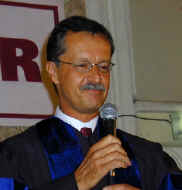 On
Monday November 25th, Senators had a meeting with the President of AUCA Dr.
David Huwiler. The reason for the meeting was the problem with Online Evaluation
of Professors. A few days before the meeting the Student Senate gave their four
suggestions about the evaluations to Dr. Huwiler and senators wanted to know if
their suggestions were accepted or not.
On
Monday November 25th, Senators had a meeting with the President of AUCA Dr.
David Huwiler. The reason for the meeting was the problem with Online Evaluation
of Professors. A few days before the meeting the Student Senate gave their four
suggestions about the evaluations to Dr. Huwiler and senators wanted to know if
their suggestions were accepted or not.
At the beginning of the meeting Dr. Huwiler said that the process of evaluation was held to give the students a chance to communicate their opinion about their professors directly to the administration. The President explained us the reasons behind having the mandatory evaluation. He told us that there are two ways to conduct evaluations: formative (it is a method of judging the worth of a program while the program activities are forming or happening) and summative (it is a method of judging the worth of a program at the end of the program activities). The formative, which is not mandatory, is used to identify professors’ weaknesses only. Formative evaluation is for faculty development. It is to help faculty identify their weaknesses and areas that need improvement. The summative evaluation is used to make administrative personnel judgments. And our online evaluation of professors fall into the summative category. It was going to be used to make hiring and firing decisions. The President pointed out that this [summative] way of evaluating the professors is really useful, because before administration makes a staffing decision, they can get the opinions of the students and include those opinions in the decision making process. For example, when the administration is deciding whether to make a part-time faculty member a permanent member of the faculty, it is very helpful to have the opinions of students on how the instructor has taught.
As we all know the main problem was not the evaluation in itself, but the fact that it was online mandatory evaluation. Many students have encountered some technical problems when evaluating their professors online. So, why did the administration choose to use the online evaluation? As Dr. Huwiler said there were many reasons for that. The most important of which has to do with confidentiality. Online evaluation makes it impossible for a professors to identify who said what. There is no handwriting and as students were evaluating their professors in the computer labs, students could be sure that the professor is not standing behind their backs.
As it was mentioned before, the Student Senate made four suggestions for future evaluations. Mr. President agreed with all of them. Due to the negative reaction from the students and some technical problems, the results of the evaluations would not be taken into consideration by the administration this semester. In order not to have the same problems in future, the Student Senate will regularly communicate with the Computer Department and Administration. It will make everything possible to make the process of professors’ evaluation more effective next semester. Dr. Huwiler was really concerned about the students’ reaction to the evaluation process. His last words at our meeting were: “It (online evaluation of professors) was done For students and not To students.”
Inconvenient Democracy, or The Way Social Research is Conducted at AUK
By Merdan Halilov, ICP, Senior
 The
week of November 18th was not a nice time for the laboratory assistants at AUK.
From the early Monday morning they began hearing complaints from the students
who could not access their profiles. As soon as the user logged onto the
computer, the message-box for PIN-CODE appeared. Those – the overwhelming
majority of the students – who did not bother to get the 9-digit codes a week
earlier from their corresponding Office Managers could not use the computers.
The
week of November 18th was not a nice time for the laboratory assistants at AUK.
From the early Monday morning they began hearing complaints from the students
who could not access their profiles. As soon as the user logged onto the
computer, the message-box for PIN-CODE appeared. Those – the overwhelming
majority of the students – who did not bother to get the 9-digit codes a week
earlier from their corresponding Office Managers could not use the computers.
The students were informed about the planned electronic survey through the AUK email – although not many use it for the reasons the IT Department should be well aware of - and the Internet Explorer browser, but the organizers did not mention that the survey would be compulsory for those who want to use the computers. The questionnaire program was set up in such a manner that a respondent had no choice to refuse to take part in the survey. Neither there was a possibility to postpone it. Moreover, the program would not allow skipping any questions, nor there was an option to answer “not applicable.” From Monday through Wednesday about 450-500 students were forced, by the need to use the computer, to take part in the survey. The hypocritical email message from the IT Department, signed as AUK Administration and “Critical Thinking” Laboratory, put everything quite bluntly. “For just the two days more than 2,5 thousand questioners were filled, comparing to the last year when this process took the whole month. The new procedure allowed sparing both our and your time not to mention that the time for the processing will be shortened.” [From the original message]
As the message says, one of the main reasons behind the compulsory electronic survey was saving time. However, all but the organizers of this research lost their time. It was convenient for the organizers of the research, not the students. And only at the end of the week, by the time when almost all users had to take part in the survey, did the Administration agree to stop the process. Hopefully, the Administration will discard all the gathered information, as it is flawed.
One of the basic principles of research is a prohibition to force a population for the purposes of research. First, it is unethical. Yet it was very surprising that the “critical thinking” laboratory, one of the organizers, did nothing against it. Nor the AUK Sociological Laboratory minded the compulsory survey. Secondly, it gives distorted information. Many respondents just checked “0” or “4” – the least or the worst – in order to get rid of the questionnaire as soon as they could. Some keyed in the used pin-codes and avoided the program. The efficiency of the questionnaires came to be more doubtful by the fact that not all students use AUK computers on daily basis. The worst of all, the questionnaire program included the names of courses that some students did not take at all. Yet they had to evaluate the course anyway.
The only result of the survey was a week of inconvenience created for the users in addition to the already existing problems in the Computer Labs. Now the Administration calls on the Student Senate to work out, with the IT Department, an acceptable-to-all way of conducting this kind of survey in the future. It is very much doubtful that the Administration’s insistence to do the survey obligatorily will yield better results than a survey conducted voluntarily. Well-organized advertisement of the survey and encouragement of the students to fill out electronic surveys is the way to do it, but it takes a lot of time, effort and money. The student body has to wait and see how the Administration will deal with such kind of inconvenience in democratic and ethical ways of conducting social research.
By Karina Kovale & Sasha Shpakova, Journalism, senior
magine a situation – You are a student, who would like to study at AUK, and the only way to get information about the University is from the official web page of AUK –
www.auk.kg. So you open the site and see the great portrait of The House called AUK. You are full of inspiration to find info you need, and…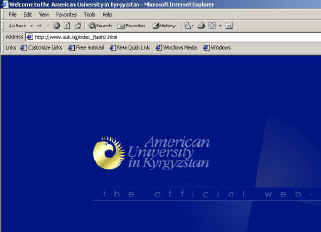 On
the first page of the site is
On
the first page of the site is
You could also try another way to get news, trough PR&News – What‘ s new? If you try this way you will notice, that the “newest” event, which is mentioned, is November 19, 2001 (
http://www.auk.kg/textv/pr/hsite/hsite.htm ). There is a reasonable question: how fast the PR office works, if the events of November 19, 2001 are the newest for them?Let’s go further. It seems that all information about academics (staff, contacts, administration, courses, programs etc.) are updated on time and is kept relevant to university’s life, thanks to regularity and sustainable system of academic life at AUK. I mean heads of departments or programs are not changing every month or semester.
If you found out everything you needed about academics, I think it would be interesting for you to get some information about student’s life. You have always been an active student and you would like to join some club. Imagine it would be an Indian Club. But sorry, even if on AUK website there is information about Indian Club, the club itself doesn’t exist anymore. The same with Computer Club. Try another one.
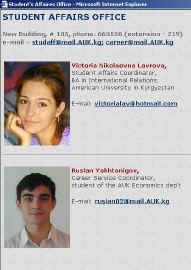
Also, in your opinion, it is very important to contact
student affairs coordinator, which is Viktoria Lavrova, or no, wait a minute!
Maybe student affairs coordinator is Anisa Afshar? On the website there are two
student affairs coordinators, which one of them is real? Whom should you write
to? But the real situation is - Viktoria N.Lavrova has been in the US for a year
already. She was a student affair coordinator, but that was one year ago.
I could give you some more examples to see. The large amount of information on
AUK website is not updated or even wrong. Many of students agreed that design of
website is ok, only there are some mistakes; like on some links, the style of
site is kept from an old version of the website. It is, of course, not very
important, but then designers will think so too, why to change anything, if
it’s OK? But everybody, who is responsible for making the website
should understand that this is a face of the university, which represents it in
other countries. Some people maybe will never see the HOUSE called AUK in their
lives, but they will remember it‘ s inconvenient, not updated, third-hand job
on the website.
 However
it is also important to mention, that AUK has a new and already very successful
department of Software Engineering. Looking at the AUK web design and checking
the information about earlier mentioned department, one can think that indeed
the students of this University are not so active, qualified or maybe just lazy?
The existence of the IT department already says that we have people who are
teaching and learning web design, computer engineering and programming, if the
quality of the AUK’s education is stated as “Knowledge, Wisdom Freedom”,
then the quality of our website can be directly connected to the quality of
education we receive and offer.
However
it is also important to mention, that AUK has a new and already very successful
department of Software Engineering. Looking at the AUK web design and checking
the information about earlier mentioned department, one can think that indeed
the students of this University are not so active, qualified or maybe just lazy?
The existence of the IT department already says that we have people who are
teaching and learning web design, computer engineering and programming, if the
quality of the AUK’s education is stated as “Knowledge, Wisdom Freedom”,
then the quality of our website can be directly connected to the quality of
education we receive and offer.
My dad always said to me “don’t leave the work you can do now for tomorrow”, DO IT TODAY, especially, when it represents you in other countries. It is obvious that we passed the time when were just introduced to Internet and could paste any information we have for the public observation. University is not only a HOUSE called AUK; it is also an educational institution, one of the best in Central Asia, with high achievements in “Knowledge, Wisdom Freedom”. The final plea is made to the students of SWE department, to keep up with the rest of the University and also to inform our PR Office, that PR is public Relations and the latest news can at least be dated two-three weeks old, and even that would be a bad PR. News is news, they are new when they are hot, there is at least one new event that could be mentioned on the web page- Thanksgiving Day, as a very American Holliday, celebrated at the very American University - Central Asia.
Our University is considered to be one of the new, innovative and technologically equipped, so why are we not keeping up to our own standards?
Наш Унитаз снова в действии. Сольем в наш сортир ту самую странную и загадочную лабораторию Критического Мышления (КМ). Попутного ей ветра и теплой воды…
Четыре года назад, когда мы поступали, КМ в АУКе преподавал Ари Кац. Лабораторией КМ тогда еще и не пахло, а ее глава, Валькова Инна Павловна, которую я искренне уважаю — преподавала риторику. Позднее в АУКе появилась Лаборатория и К М стало обязательным предметом для первокурсников. Так получилось что мы с Сергеем оказались за одной партой пред очами строгих преподавателей, несущих мышление в массы… Правда уже на третьем курсе. Я просто брал этот предмет, чтобы заполнить дырку в чек-листе. А Сергей проходил курс Каца повторно. Итог, впрочем, был одинаков. Мы оба получили по Х. Поэтому сольем мы ее сегодня на пару… Ведь у каждого из нас свои впечатления от прослушанного курса.
Учитесь мыслить критически!
By Anton Kluychkin, Journalism, senior
Дело в том, что потом я проходил этот курс еще раз. Во втором семестре получил отметку «С». Причем с трудом… Мне было просто лень… А вообще-то курс откровенная халява и получить там «А» плевое дело. Но зато на своей шкуре я прочувствовал все прелести критической мысли в течении двух семестров.
Итак. Что такое Критика? Это обсуждение кого/чего-либо с целью дать оценки, выявить недостатки. Это не я сказал, а словарь иностранных слов. Сама идея подхода к познанию мира вокруг с помощью КМ просто на пятерку. Идея то хороша, а вот ее реализация в АУКе подкачала…
На тех парах, где я отсидел со скучной миной на лице нас не учили критическому подходу в оценке. Мы проходили то, как надо оформлять тетрадку, как конспектировать. Еще курс включал в себя презентацию проекта, посредством которого студенты учились работать в группах, слабенькие дебаты, логические сказки, одиночные презентации своих сочинений и т.д. И финальную часть, в которой мы писали «Исследование», с большой буквы. Проще говоря — курсовую. Здесь опять таки было оформление, ссылки, сноски, структура написания курсовой. Вот и получается, что пара совсем не про критическое мышление. А про то, как писать курсовую работу и как проще организовать свою учебу. Половине из выше перечисленного учат все преподаватели АУКа. Причем у всех разные требования. У иностранцев одни, у наших другие. И поэтому обобщать это все в один флакон не имеет смысла.
Да и вообще, все пройденное на курсе довольно сумбурно и напоминает кучу, в которую побросали все, что было под рукой. Я так думаю: делать, допустим, соц. исследования нас научат на «Методах соц. исследований». Писать курсовые научит каждый преподаватель отдельно. Дебатировать научат в дебатном клубе. Ну а мыслить вряд ли вас кто научит вообще. Здесь если не дано, то не дано.
На паре критике не учили, а скорее наоборот. Атмосфера была больше похожа на детский сад. Добрый преподаватель с улыбкой втолковывает детям умные вещи. Студенты внимают. Я считаю, что с местом преподавания данного курса наша Лаборатория просто ошиблась. Этот предмет надо вести в школе, а не в университете. Там он бы пригодился. Наверное…
И вообще как можно заставить мыслить критически? Ведь на курсе просто таки пропаганда КМ идет. А если я не хочу. Вот нравится мне мыслить прямолинейно и все тут. Получается, что преподаватели лаборатории манипулируют студентами. От чего сами же и предостерегают на своем курсе.
Понятие о критике у Лаборатории тоже странное. Критика она на то и критика, чтобы ее высказывать. И если мне не нравится та или иная идея — я это имею право сказать вслух. И подход когда не надо критиковать чьи-то мысли или идеи на курсе, который должен быть целиком посвящен этому — мне не понятен.
Когда студент приходит учится в ВУЗ, то предполагается, что в голове у него что-то есть. Есть какое-то мировосприятие. А значит уже и мыслит критически. Да и вообще критическое мышление развивается вместе с человеком, по мере накопления житейского опыта. Годами. И впихнуть это все в один семестр? Утопия.
мечта
By Sergey Bogdanov, Journalism, senior
«Киртикуй, Кердыбаев, киртикуй! Только правильно и объективно. Неправильно и необъективно мы сами умеем киртиковать!»
В АУКе создали лабораторию КМ. Даже не кафедру, а лабораторию. Поторопились. Сначала надо было создать лабораторию самокритического мышления, тогда не пришлось бы нам, простым студентам Вас критиковать.
Насколько мне известно, лаборатория, это специально оборудованное помещение для проведения научных или учебных экспериментов. Так что не теряйте времени на парах! Вам надо отлавливать зазевавшихся студентов, по одному заводить в свое специально оборудованное помещение и там проводить над ними свои смелые эксперименты.
Реферируйте свои статьи, конспектируйте свои семинары, суммируйте сколько вашей душе угодно. Но мы то тут причем? Вам вообще, лучше, чтобы вы со студентами не встречались. В моих мечтах, ваша работа выглядит так:
Ночь. АУК спит. В лаборатории Критического мышления горит свет. Не спят лаборанты, напряжено работает мысль. Уже набросаны первые, несмелые штрихи вокруг которых ведется ожесточенная полемика. И вдруг! Есть! Изобретена новая Концепция, найдены Принципы, готовы Анализы. Страна не останется без Реферирования, РАФТа и Кьюбинга. Радость читается на усталых лицах лаборантов. Теперь можно попить кипяточку, и по домам. И к приходу первых студентов лаборанты уже спят в своих теплых постелях. Но недолог отдых тружеников. Лишь только часы пробьют полночь, как собираются они в своей лаборатории и начинают спор об Очень Умных Вещах. Ведь миру необходимы все новые и новые методы извлечения Правды из Истины и наоборот.
Р.S. Необходимо напомнить, что мнение авторов никому не предлагается в качестве единственного и неповторимого. Мы надеемся, что наш читатель достаточно критически мыслит, чтобы это понять.
By Alisher Djaborov, junior student representative to the Academic Senate
Although I was officially elected to AUK Academic Senate (AS) on Initiation Ceremony my actual participation in the activity of the Academic Senate began when I and Maksat were first informed by the secretary of the Academic Senate about our AS meeting on Wednesday, November 20, 2002. Three main issues were put on the agenda: Minor psychology requirement, Requirements for American Style Diploma and Regulations on AUK Admissions and Financial Aid Committee. As a representative of students’ interests in the Academic Senate I met with different students to find out their opinion on various issues. The opinions were different and the students were mostly concerned with the second issue – Requirements for American Style Diploma. Seniors and juniors proved to be more touched with this issue than others not because they are close to graduation but mainly because the curriculum requirements at the time of their entering the university were different from those accepted after a new credit system was introduced. Eventually I made a petition and brought up the issue of reconsidering the American Style Diploma requirements for those students who entered before 2001. The decision was made and according to it the following changes were made in the regulations on the Requirements for American Style Diploma. The regulation takes effect as of November 20, 2002 for all students who entered AUK since 2001. Juniors and Seniors, who entered AUK in 1999 and 2000, will graduate on the terms that Academic Senate approved on May 27, 2002. For courses of Aesthetic and Physical Education the Pass/Fail system is adopted. It will take effect in the Spring semester of 2003. The regulation is valid for all students studying at AUK. Unfortunately, the debates lasted for a long time and the member of the AUK Academic Senate could not make a decision on regulations on AUK Admissions and Financial Aid Committee. This question is still on the agenda of the next AS meeting.
By Ahoura Afshar, AUK Alumni 2002
After waiting for my US visa for 6 months, the UK visa for 6 weeks, and having all the financial problems with the visa fees and tickets, after having my nerves eaten to ends, after spending 2 hours in the Heathrow airport taking care of my health care paper-work and my luggage, after being totally confused in the London subway, i was finally in LSE, one month late, after the deadline for registration. i was thrilled and amazed by how much LSE differs from AUK (or AUCA), and London from Bishkek! That’s why i decided to share my experience with you.When i got to LSE, i went straight to the room of our administrator, Katherine. (i found the room just by accident, since i didn’t know the codes for knowing which room is located in which building.) She was the one who saved my life at LSE, helped me register for the Human Rights program AND for the individual courses. (Why is it necessary to register for both? Beats ME!) She helped me to get the reading packs i needed. Basically she’s one of the few people in LSE who understands that circumstances can get beyond one’s control. (Others just refer to rigid rules.)
My only culture shock in London was that everyone spoke English! The first day i would say “добрый вечер” to everyone, and they would look at me as if i was speaking a foreign language! But after a few seconds, i’d realized i wasn’t in Bishkek or Almaty anymore, so i WAS speaking a foreign language. Then i’d say: “Oh... i mean hi”! :-)
LSE is huge. It has 24 buildings on its map. Without the map you can’t find anything. Even using the map, you should be careful since it is very easy to get lost in the corridors that intersect and lead to each other, and in the bridges from one building to another. Always double-check that the bridge is leading to the right building!
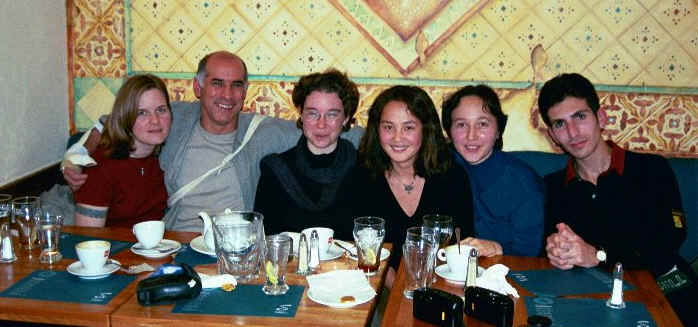
LSE computer labs are enormous, there is one that runs 24 hours a day (where i spend two nights). Normally you can find a free computer fast enough. But there is no lab. assistant. It is assumed that computers are smart and nothing bad can happen. But if it does... too bad! No one to ask! The first time i tried to figure out how to use the computer, i asked: “Excuse me, do you know how i can change my password to log in?” –”Sure, after you log in, press Alt and Control and Delete on the keyboard, at the same time, then click on the button “Change Password!” i thought: “Thank you so much, but how do i log in without knowing the password in the first place?”
LSE, unlike AUK, has a huge library. What they have in common is that you can’t find all the books you need anyway! There are few copies of each title, and many students who want to use the book. You have to go to the Catalogue computer and find the book you need on the shelf. There is no one to fetch the book for you. It may be good or bad, especially if you still do not know how to use the software on Catalogue computers!
In LSE you pay for EVERYTHING... (except napkins and the air you breathe!) There are reading packs, you buy them. There is a gym, you pay for it. There are lockers and you pay for using them. You become a member of a club and you pay for it. You pay to print. You pay to copy. The bad thing is that all of these payments are done through hi-tech cards, which take weeks to obtain. Always amused by technology!
LSE is greatly bureaucratized. Dilya (Dorgabekova) (my group-mate who is also studying in LSE) says: “The most shocking, well I think shocking is too strong a word, but I was surprised to see how bureaucratized London is. You have to go through sooo much paper work before you get done anything and it is extremely time consuming. The hardest part is to wait when your bank account is going to be opened. You can’t take out money before it is opened and meanwhile you have to live somehow, right?” And she’s right. It took me 3 weeks to get my stipend paperwork processed! (It took 3 weeks to open a bank account, which, thank heavens, coincided the other 3 weeks.) Needless to speak of every other thing that also lasts for weeks. In LSE everyone is obsessed with web-pages. You ask: “Where is the bathroom?” And the answer is: “Umm... i’m sure you can find lots of useful information on that on the website: W W W, dot, L S E, dot, A C, dot, U K, slash, dumb questions, dot, H T M L.” But all you wanted was: “At the end of the corridor”!
In LSE the Accommodation Office does NOT function. (Hopefully in AUK it does!) Of course, they referred me to their website, but that was about everything they did: “You can check our website. There is a form, for you to be put in a waiting list in one of the residents halls. And there is a data base of students looking for private housing. Be patient! It takes time to find a place.” —”Where do i go now, tonight?” —”Oh, on the website there is a list of hotels and hostels in London.” What they did not tell me is that they are perhaps fully booked, and very expensive anyway. (And i had no money, thinking that “i go to LSE, and they will give me my stipend”). I still haven’t solved the problem of housing. I spent my first nights in the computer lab, and a research room; lived with a friend, and am staying in a hostel at the moment.
LSE is confusing because London is confusing. They have a ‘ground floor’ which is what others call the first floor. Hence their ‘first floor’ is what other calls the second floor... Streets are NEVER parallel. You can start from one point, turn left at each ‘block’ and after 4 turns (when you expect to be in the place you started) you actually just went straight from the place you started! In the beginning, i got lost in the streets VERYTIME i left a building. Everyone in London has a book of maps, called A to Z. Without this book you can find nothing! Even WITH it, you have to be very careful.
For 21 years, i thought when i cross the street i should look left, and in the middle of the street look right. I was wrong. If you do that in London, the cars always come from behind! Usually it is written on the pavement: “look right” or “look left”. I noticed them too late! Once a car almost crashed into me. After that, i always look all 4 possible directions, and only then cross the street.
Usually one can find all kinds of directions in the streets and terminals, that are not needed. Well, not in London! You need all the arrows, all the maps, all the information that appear on the big screen of the subway platforms. Without them, you are lost! Finally, unlike what one may expect, London is not clean. You can see garbage everywhere, but rarely garbage-boxes!
In London, and at LSE in particular, you can find all different kinds of people from all over the world. In LSE cafeteria (which, just like the AUK ones, has the same food every single day!) you can hear all different languages while having your meal. Dilya says: “what I find absolutely fascinating about the LSE is how cosmopolitan it is. One can meet people from all over the world, even from such countries that you’ve never thought of before. You learn so much by simply talking to people. I love that about the LSE.”
And among these different kinds of people, there were people i knew from AUK who helped me survive here! And we were happy that we had this common experience of being at AUK, which became such a especial place. These are Irina (Mozuliova), Madeleine (Reeves), Sarah (Amsler), Dilya, Elnura (Osmonalieva), and Alex (Matheou). Irina had a different experience coming to London. To the question what was most shocking when you arrived, she answered: “The most shoking was, probably, that I wasn’t shocked. My integration into the student life went too smooth. I was expecting to be shocked, first of all, culturally. But I wasn’t! Isn’t it shocking? In the Heathrow airport, after getting through the customs and the passport control, I saw the smiling faces of Sarah Amsler and Madeleine Reeves. I felt as if we never said ‘good-bye’ for a long time. Shocking... They helped me to get to the the residence hall, check in and showed me around, fed me with lunch... Next day I went to visit Alex Matheou and his family on the Southern bank of Themse. I felt I was among my old friends, as before, feeling SHOCKINGLY happy and comfortable. Now our London-based AUK company is pretty impressive... “
AUK was the place that all of us came to know each other. On this AUK experience Madeleine comments: “AUK is an ideal environment for developing friendships and valuing differences; I hope that, despite its growing size, it will never lose the openness and sense of community that makes it such an inspring place to work.”
And Sarah will come back to AUK next semester. When asked what she expects to bring back to AUK she replied: “…Over the past few years I have come to understand that thinking critically about our contemporary social, political, and personal conditions is not enough. We must also develop a critical imagination of workable alternatives to them…” And Sarah will return in company of her husband, Mahmood, who will also teach at AUK. She says: “As an Iranian-American family, I hope that we bring one [other] thing to AUK: a working example of how false dichotomies of ‘east’ and ‘west’ can and should be transcended, and power relations equalized, to allow for the development of understanding and communication between people from different backgrounds and cultures.”
Whether or not we come back to AUK in immediate future, we cherish it. As for me, i just adore its friendly atmosphere. Something i’m dying for at LSE!
By Nikolay G. Shulgin, Dean of Students
Прочитав заметку в газете Star (Ребята, давайте жить дружно), я, волонтер библиотеки Center for East-West Research, решил с удовольствием написать ответ автору статьи, решившему осветить факт из жизни студентов АУКа. Я не собираюсь отрицать тот факт, что я отказался выдать книгу одной из студенток АУКа – да, я так поступил и не сожалению об этом ни капли. Более того, я считаю, что я поступил правильно, но не в этом суть.
Никакого удовольствия ни я, ни другие библиотекари не получили, да и не могли получить, и декан по делам студентов мог бы об этом узнать, спросив кого-нибудь из библиотекарей, вовлеченных в конфликт. К сожалению, он решил, что студентка права, и что, возможно, правила существуют для того, чтобы их нарушали и делали из них исключения по тому или иному поводу.
Я понимаю, что одной из обязанностей декана по делам студентов является улаживание возможных конфликтных ситуаций, возникающих среди студентов университета. Я также понимаю, что газета была создана для того, чтобы ее читатели были в курсе всех происходящих событий. Однако последний выпуск газеты показал, что эти два факта не совсем соответствуют действительности. Я имею в виду то, что декан по делам студентов решил исполнить свой профессиональный долг и разрешить конфликтную ситуацию путем ее освещения в газете. Возможно, он руководствовался благими намерениями и попытался примирить студентов используя доступный всем АУКовцам источник информации. (Выделено редакцией) Однако он допустил одну ошибку (за которую на Западе поплатился бы огромными штрафами) – применил необъективность в освещении конфликта и субъективно проанализировал действия библиотекаря.
Я решил, что поступлю правильно, если подробно опишу конфликт, произошедший 1 октября 2002 в библиотеке Center for East-West Research, а также попрошу автора официально извиниться за субъективную критику направленную в мой адрес. Смогли публично осудить – сумейте публично извиниться. Я думаю, что Вы не имели права осуждать мои действия не поговорив ни с одним из библиотекарей вовлеченных в конфликт (!!), включая меня, и не выяснив полной картины произошедшего....
Фрагмент описания конфликта автором письма:
(Описание сокращено редакцией всвязи с ограниченностью газетной площади и не относящимися к существу заметки в прошлом номере подробностями.)
«Около 5 часов вечера, одна из студенток спросила у одного из присутствующих библиотекарей – А., ICP sophomore – может ли она взять книгу домой, на что получила отрицательный ответ. В виду того, что книга была ей необходима, она начала спорить с волонтером библиотеки, студентом 2-го курса. Присутствуя при споре и будучи волонтером библиотеки, я посчитал необходимым вмешаться в их спор и попытался спокойно объяснить студентке, что исключения не были предусмотрены правилами библиотеки...» (Выделено редакцией)
От редакции
Мы приносим извинения автору письма за то, что оно было подвергнуто сокращениям, но это было необходимо сделать из-за слишком большого его размера. Тот, кто интересуется полным вариантом, должно быть уже прочитал это письмо в форме стенгазеты – оно было расклеено по всему АУКу.
Меня, как автора заметки в предыдущем номере, несколько удивило то, что письмо написал Музаффар. В своей заметке я вовсе не имел его в виду. («Присутствуя при споре... я посчитал необходимым......» (цитата из письма в редакцию))... Я ничего не писал о «присутствующих при споре». Более того, я не задавался целью определить в этом конфликте правого и виноватого, так же, как не намерен делать этого сейчас. Тем более, что ни от одного из участников этих событий я не получал никакого официального заявления или жалобы. Я высказал свой, подчеркиваю, субъективный взгляд на проблемы взаимоотношений студентов в тех или иных ситуациях. Объективность – это прерогатива Господа Бога.
Что касается правил, они, как справедливо заметил автор письма, существуют не только для того, чтобы их исполняли, но и для того, чтобы делали из них исключения. Кстати, насколько я знаю, другая сторона конфликта тоже не совсем довольна моей оценкой ситуации. Это убеждает меня в том, что моя попытка быть объективным в этой заметке была не так уж далека от успеха.
В заключение я бы просто хотел повторить название своей корреспонденции – «Ребята, давайте жить дружно». Писалась она ради примирения, а не ради провоцирования нового конфликта, и если так получилось, то я искренне об этом сожалею.
И последнее. Каждая война все равно заканчивается миром. Давайте сократим путь к взаимопониманию минуя этап военных действий. Если кто-то из участников и неучастников истории желает поговорить со мной на темы этики взаимоотношений студентов вообще и частности, милости прошу в к. № 106.
Our dear colleague Anna Kirey won a Canon Photo camera for this picture! Congratulations Anna!
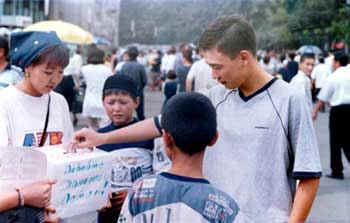
You can find more information about it in the following web site:
https://statexchange.state.gov/photo/faces/001.cfm
Correction to the last issue:
The article “From our ‘Star’ spy in the AUK Academic Senate” should be read “From our Star ‘spy’ in the AUK Academic Senate. The word ‘spy’ was used intentionally to draw readers’ attention to the article. It is a regular responsibility of the student representatives to submit such reports to the Star.
Ю. В., Вместо того, чтобы шляться в нашей квартире каждый день, сидела бы лучше и писала дипломную. Дом 108, кв. 24
Просим помощи. Каждый раз в течение пол-урока наш преподаватель жалуется, что у неё плохой день. Чтобы решить её проблему, мы думаем, что ей нужен мужчина. Заинтересованных просим обращаться по телефону 230527. Возраст значения не имеет! Заботливые студенты. (шутка)
Thanks to all who helped to gather signatures for the petition against the compulsory survey. And thanks to 290 signatories for support. Although the petition itself did not stop the survey process, as it was done late in the week and was passed late to the President, it still expressed students’ say on the issue. And final thanks to the Student Senate for meeting with the President – though a bit late – and asking him to halt the process. Merdan Halilov
Халил, вернись домой.
БратThanks to the person who removed the corridor passage door to the new “3
rd” building. Thanks for not locking the doors at the stairs. A Happy StudentА.И.А,
Ты не злись, не обижайся, и не мсти и не ругайся. Ты все просто объясни, и как-нибудь меня прости. Твой “Редиска”Dinara,
I still love YOU. DaPoshelTyBy Bakyt Azimkanov, Journalism, sophomore
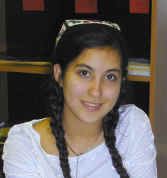
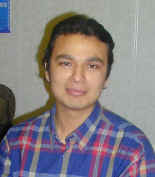
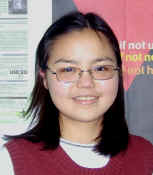
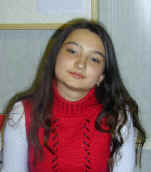
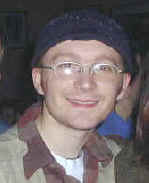
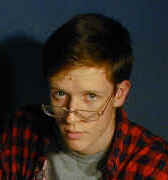
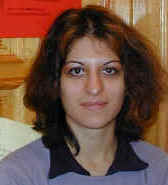
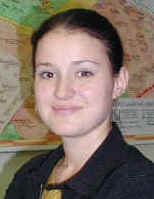
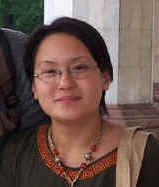
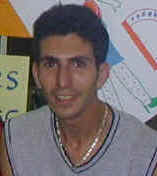
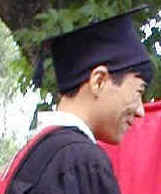
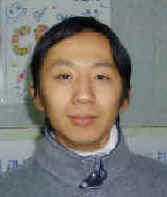
I am left cold: still and unblushed. What is left to feel, what is left to touch? My heart aches. I feel lost and alone. Why do I search for things I cannot find? Why do I reach out for someone whom I know is not there? I cannot cup the water – for it slips through my fingers. The sun no longer smiles at me. It is the moon that befriends me now. I am forced to crawl because I can no longer fly. I will surrender to this pain I feel. My tears bring me comfort – For they are friends I know well. What is this? To have to sing through empty silence. To fall upon deaf ears. I only need someone to hear my song.The brightest Stars who worked on The Star for more than a year!
 |
 |
 |
 |
 |
 |
 |
 |
 |
 |
 |
 |
 |
 |
 |
 |
Thanks to everyone who supported The Star. Thanks to Boris Borisovich for not getting mad at us for delaying the AUK bus everytime for taking the paper to the printing house. Thanks for the drivers who look for the priting house's location every single time. Thanks to people who critique us and lead us to improve ourselves. Thanks to those who give us advices and comments. Thanks to all who from time to time proof read our paper. Thanks to...
Top