
Drought
is a period of dry weather, especially a long one that is injurious to crops
There
is not a universal temperature or lack of precipitation of drought, simply
because what might be considered drought in
There are four different types of drought. They are meteorological,
agricultural, hydrological, and socioeconomic.
Meteorological- Meteorological drought type is caused from the departure of
rain and other usual precipitation for a certain geographical area.
Agricultural- Agricultural drought happens when the amount of moisture in the
soil does not meet the needs of a regional crop or plant.
Hydrological- Hydrological drought happens when surface and subsurface water
supplies are below the normal amount of water.
Socioeconomic- Socioeconomic drought happens when a physical water shortage
affects the public.
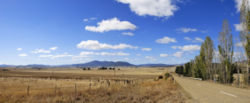
tralia is the
driest inhabited continent even though some areas have
Drought's impacts
During climate extremes, whether droughts or flooding rains,
those on the land feel it most. Agriculture suffers first and most severely -
yet eventually everyone feels the impact.
Drought disrupts cropping programs, reduces breeding stock,
and threatens permanent erosion of the capital and resource base of farming
enterprises. Declining productivity affects rural
The risk of serious environmental damage, particularly
through vegetation loss and soil erosion, has long term implications for the
sustainability of our agricultural industries. Water quality suffers, and toxic
algae outbreaks may occur; plants and animals are also threatened. Bushfires and
dust storms often increase during dry times.
Its causes?