Volcano
A volcano is an opening, or rupture, in a planet's surface or crust,
which allows hot, molten rock, ash and gases to escape from below the surface.
Volcanic activity involving the extrusion of rock tends to form mountains or
features like mountains over a period of time.
A
volcano is a hole where melted rock called magma or rock and ashes are thrown
up from inside the earth. Volcanoes are commonly known around the world for
bringing huge destruction as they erupt. When most people think of volcanoes
they think of hot boiling lava. Many people do not realize that instead of only
erupting lava, it also erupts ash and gas. A volcano
works in the following sequence.
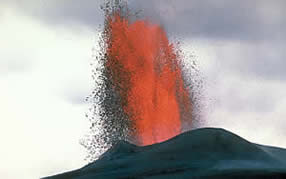
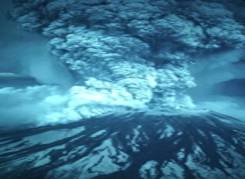
A volcanic
eruption is the point in which a volcano is active and releases its power, and
the eruptions come in many forms. They range from daily small eruptions which
occur in places like Kilauea in