 ALL ABOUT DANCE
 |
ALL ABOUT DANCE |
Dance is a performing art form consisting of purposefully selected sequences of human movement. This movement has aesthetic and symbolic value, and is acknowledged as dance by performers and observers within a particular culture.Dance can be categorized and described by its choreography, by its repertoire of movements, or by its historical period or place of origin. An important distinction is to be drawn between the contexts of theatrical and participatory dance,although these two categories are not always completely separate; both may have special functions, whether social, ceremonial, competitive, erotic, martial, or sacred/liturgical. Other forms of human movement are sometimes said to have a dance-like quality, including martial arts, gymnastics, cheerleading, figure skating, synchronized swimming, marching bands, and many other forms of athletics. HISTORY OF DANCEHistory of dance closely follows the development of human race. Since the earliest times of our existence, far before the creation of first modern civilizations, dance served as an irreplaceable way of expressing human thought and emotion. As our civilization traveled through millennia, dance was modified to the point of being popular means of expression, health, communication and competition TYPES OF DANCE - CATEGORIES These dances started appearing first in Italy, during the early years of Renaissance. Popularity of this kind of entertainment quickly swept over the Europe, United States and the World. Although many other simpler and more easily preformed types of dances caused the ballroom dances to lose some of their influence, modern worldwide dancing audience started resurrecting these immortal dances in ever increasing pace.
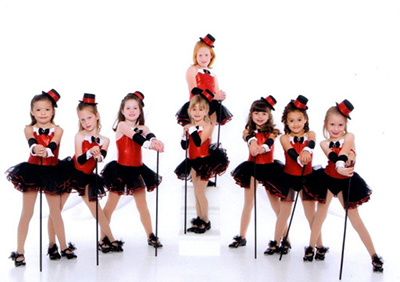
African-American and Traditional Jazz dances
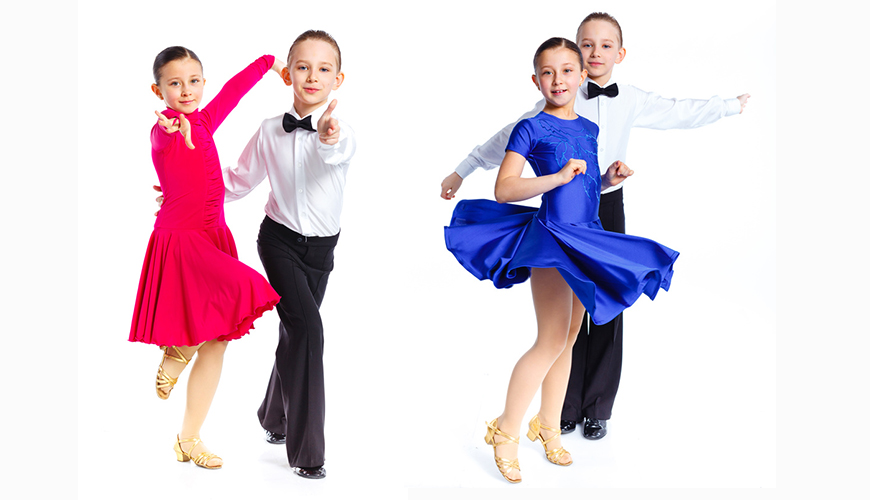
Worldwide Dances / Latin dances
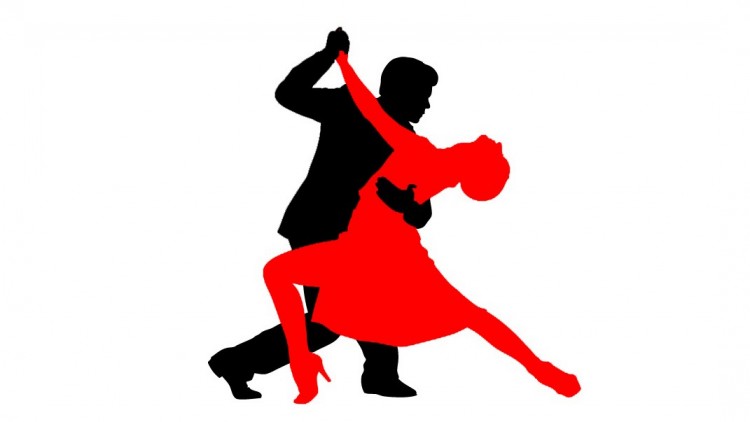
Professional performance danceProfessional dancing was first introduced in the early years of Italian Renaissance when music, dance, arts and poetry started to rise in popularity after the millennia of medieval stagnation. Refined by the efforts of the France and Russia,ballet became the premier technical concert dance. Hailed as one of the most revered and most complicated dance of all time, ballet continued its rise to worldwide domination. In the modern times, many other professional dances came to be, such as Contemporary dance, Modern Dance, Concert dance, but none of them managed to surpass the complexity, physical strain, and heritage of ballet.
Modern DancesAdvancements in music technology brought the birth of many new types of dances. Introduction of electronic and rock music brought the era of House, Punk, Rave and Disco dance. Faraway country of India did not cared much for those styles, and in accordance to the deeply seeded religious beliefs, they incorporated dance of their gods to everyday life and was and profitable Bollywood movie scene.
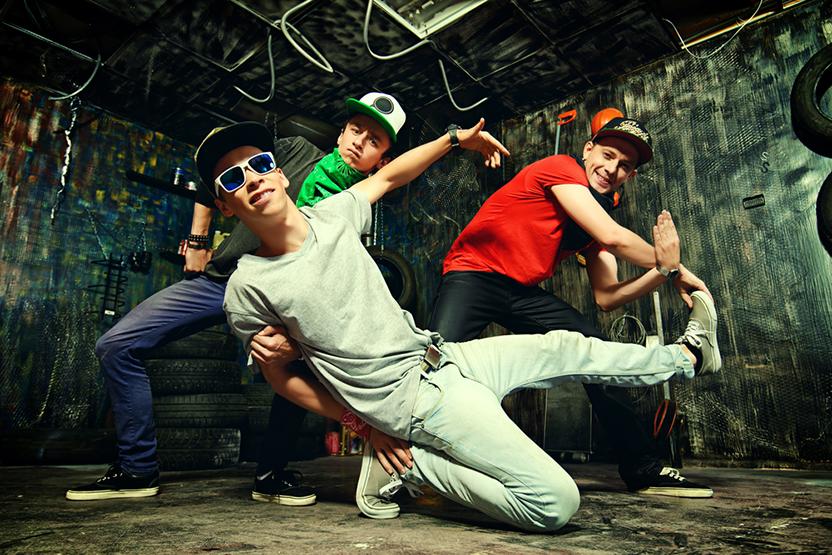
Hip-hop & Funk danceDancing style of Hip-Hop evolved from the music style that was first introduced during 1970s. Powered by the great popularity, exposure in media, movies and television programs, hip-hop dances found a great foothold in United States, France, United Kingdom and South Korea. A very similar style called Funk was also created during 1970s, and is today regarded as one of the most influential pieces of Hip-hop dance styles.
MALAYSIAN TRADISIONAL DANCE
Jikey (Jawi: جيكيي)
is a traditional Malay dance drama that is popular in Kedah and Perlis,
Malaysia. The dance drama is known as Yike in Cambodia and Likay in
Thailand and popular in southern provinces of Satun and Phuket. It is believed to have originated from the singing of zikir
among the Malays before it developed into a secular theatre after the
late 19th century.The Jikey performance also has strong influence from
other Malay performing arts like Mak Yong, Hadrah, Bangsawan and Mek Mulung. 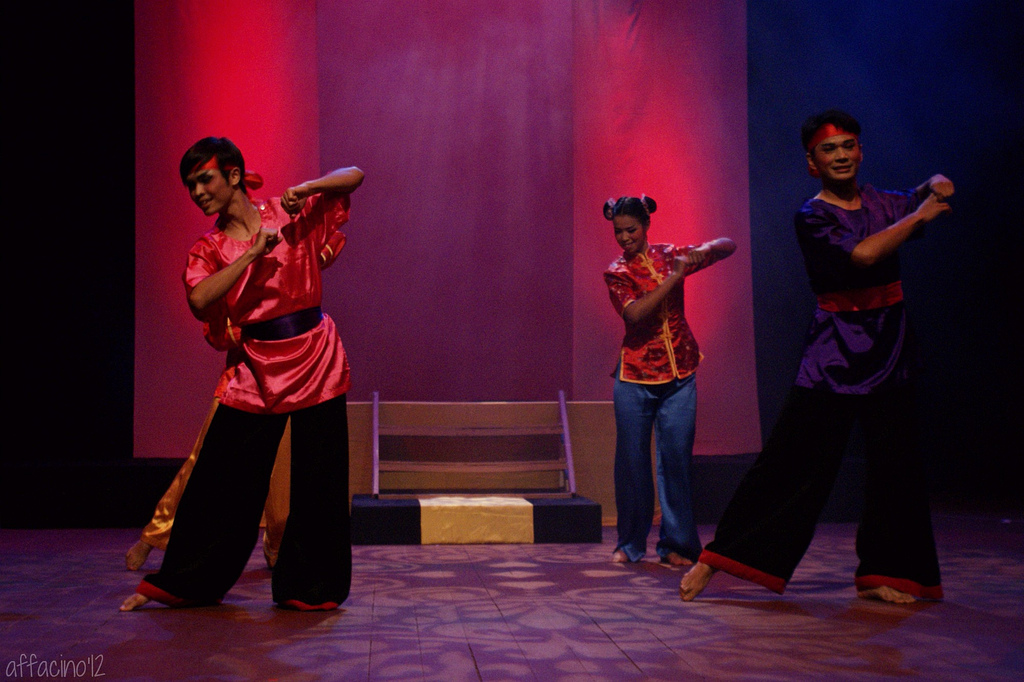
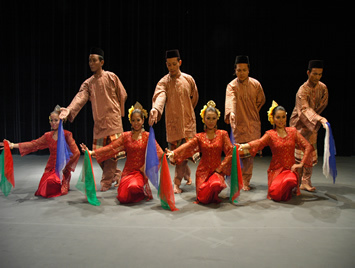
(literally "beloved"/"besotted") is a classical royal court dance popular in Patani and Kelantan. According to Hikayat Patani, the dance was created in 1644 to entertain the grieving Ratu Kuning over the loss of her favorite bird. The dance’s name "the beloved" could have been referring to the lost bird. The performance begins with ten beautifully costumed dancers entering the dancing hall and sitting gracefully. The prima donna, also known as Puteri Asyik ("the princess of love") will then appear and the dance begins with gracious and delicate body movements and gestures.
Rodat is a Malay folk dance believed to have originated from the Middle east and brought to Terengganu by the Achehnese traders in the beginning of 19th century.Rodat may have been the combination of two words hadrat Baghdad which means zikir (songs in praise of Allah and Muhammad) Baghdad. Until the 1900s, Rodat was performed in all males groups with the original style of singing zikir with rebana accompaniment to celebrateMuhammad’s birthday and Malay weddings. However, by 1930, the dancing part was included and performed by transvestite dancers which were later replaced by the women dancers afterWorld War II. With the addition of dancing and singing of popular Malay and Hindustani tunes and female dancers, the performance became popular at secular events such as the harvest celebration, Sultan’s birthday and festivities for Malaysian National Day.
|