The Coptic Museum was the last major museum to be founded in Egypt at the beginning of the 20C after the construction of the Egyptian Museum and the Museum of Arab Art. The museum was founded when a group of Coptic notables under the patronage of Sultan Husayn Kamil formed a committee to establish the museum. A piece of land belonging to the Coptic Church was provided within the Roman Fortress of Babylon. By 1908 the building was complete and a collection from ancient churches, houses and several private collections was presented to the museum. The museum was enlarged and relevant collection from the Egyptian and the Museum of Arab Art were transferred to it in 1931 after the museum passed into state control. The museum is composed of a ground and upper floor, and its collection is arranged according to categories into seven sections:
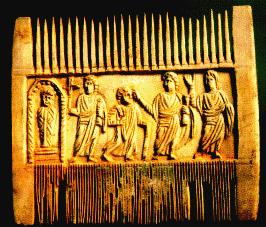
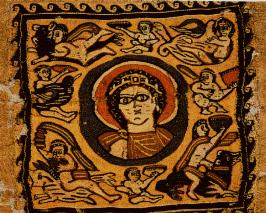
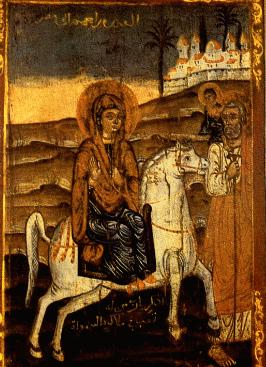
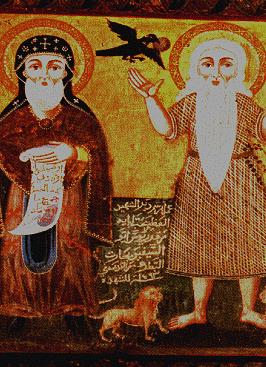
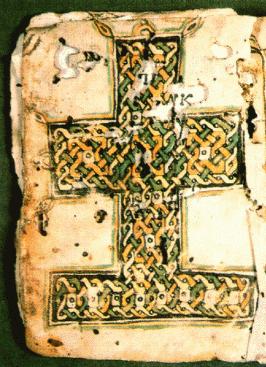
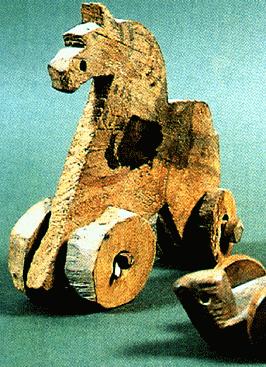
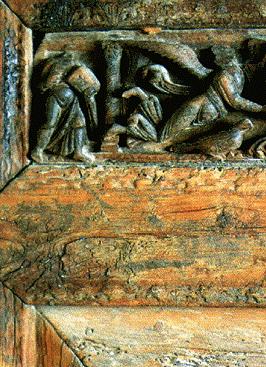
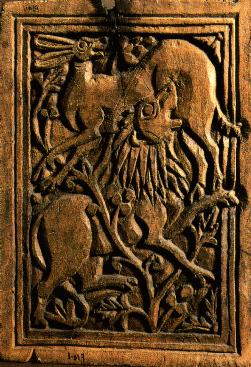
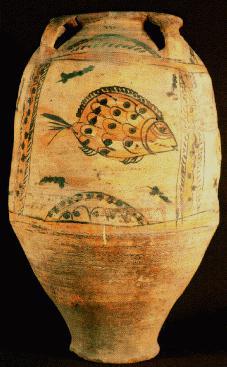
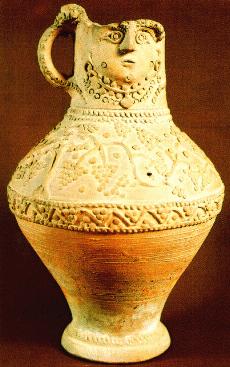
Sculpture and Frescoes; Manuscripts; Ancient Text; Icons, Ivory and Bone; Metal work; Wood word; Pottery and Glass. These are displayed in chronological order to enable the visitor to appreciate the development of art through the centuries.
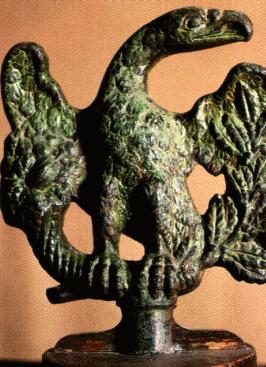
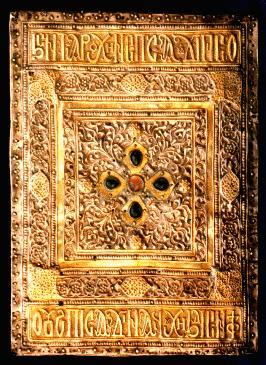
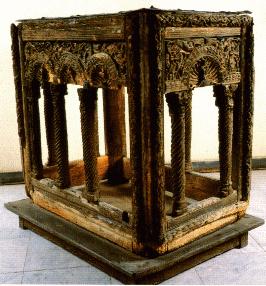
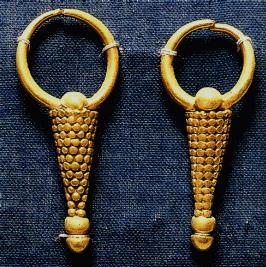
Let us take a look on some of the artifacts displayed in the museum.