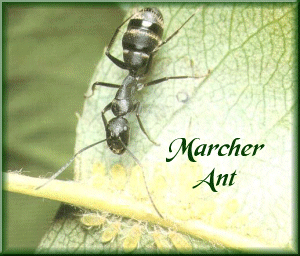
Ant, Marcher
known in the jungles of Schendi as 'The Marchers' are these aggressive carnivorous insects. Each is about 2 inches long, with a shiny black exoskeleton and two antennae. Their name is derived from their, apparently seasonal, marches through the jungle in a single column, yards wide and pasangs in length. They may number in the millions, their path's widening to as much as 500 feet when they overtake, swarm over, and devour all flesh, living or dead, in their path. Their bite is extremely painful, but not poisonous. Their victims die from being weakened from relentless attack, being overcome until they are still. Tarl Cabot and the small men, led a column of Marchers, by baiting them with fresh meat, the ants, weaving like a whispering black snake through the jungle until they overran an encampment of the Mamba people, Cabot's intended target.
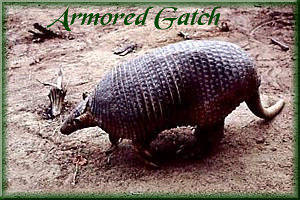
Armered gatch
a marsupial mammal which inhabits the rainforests inland of Schendi
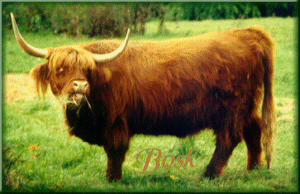
Bosk
large, shaggy, long-horned bo- vine similar to the Earth cow; cattle
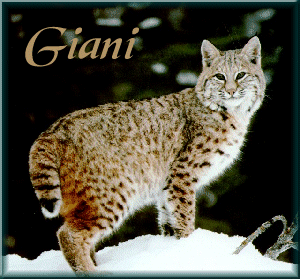
Giani
a large mammal of solitary habits which inhabits the rainforests inland of Schendi
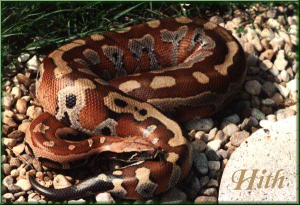
Hith
huge python-like snake
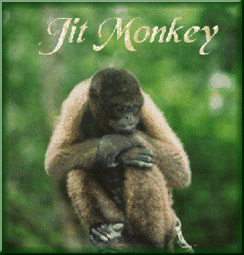
Jit monkey
a simian mammal which inhabits the rainforests inland of Schendi
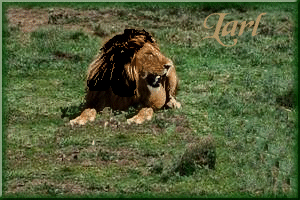
Larl
a large (7 ft. at shoulder) feline, tawny red or black in color, having a black mane; carnivorous; similar to a lion
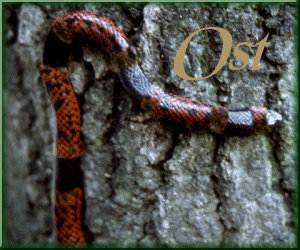
Ost
tiny snake, about 12" long, bright orange in color; its venom causes extremely painful death within seconds. the ost of the rainforests inland of Schendi are red with black stripes
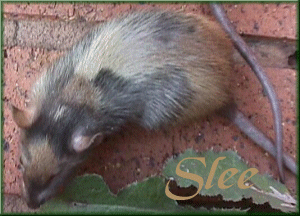
Slee
a rodent which inhabits the rainforests inland of Schendi
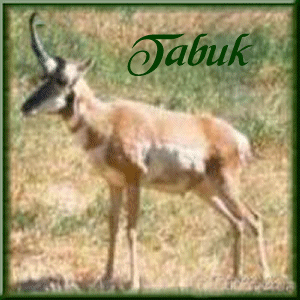
Tabuk
a kind of antelope, being yellow in color and having a single horn
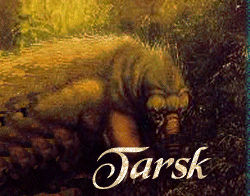
Tarsk, giant
large cousin of the tarsk, standing 10 hands high at the shoulder
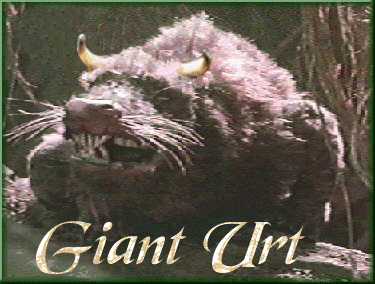
Urt
a small, silken-furred rodent akin to the Earth rat; it has three rows of teeth, two tusks, and two horns
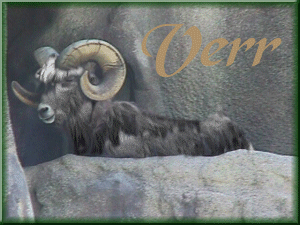
Verr
a mountain goat indigenous to the Voltai Mountains; wild, agile, ill-tempered, with long hair and spiraling horns; source of a form of wool; it milk is potable, as well as being used for cheese
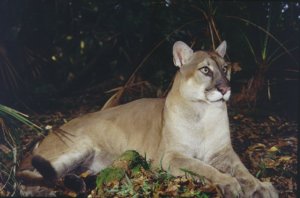
Panthers
On the jungle floor, as well, are found jungle larls and jungle panthers, of diverse kinds, and many smaller catlike predators. These, on the whole however, avoid men. They are less dangerous in the rain forest, generally, than in the northern latitudes. I do not know why this should be the case. Perhaps it is because in the rain forest food is usually plentiful for them, and, thus, there is little temptation for them to transgress the boundaries of their customary prey categories. They will, however, upon occasion, particularly if provoked or challenged, attack with dispatch. Conspicuously absent in the rain forests of the ua were sleen.
Explorers of Gor...page 311-312
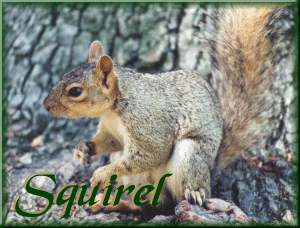
Squirrels
In the second level, that of the canopies, is found an incredible variety of birds, warblers, finches, mindars, the crested lit and the common lit, the fruit tindel, the yellow gim, tanagers, some varieties ofparrot, and many more. Here, too, may be found snakes and monkeys, gliding urts, leaf urts, squirrels, climbing, long tailed porcupines, lizards, sloths, and the usual varieties of insects, ants,centipedes, scorpions, beetles and flies, and so on.
Explorers of Gor...page 311-312
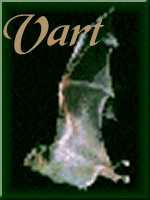
Vart
blind, bat-like flying rodent, about the size of a small dog
In the lower branches of the ~ground zone~ may be found, also, small animals, such as tarsiers, nocturnal jit monkeys, black squirrels, four-toed leaf urts, jungle varts and the prowling solitary giani, tiny, cat-sized panthers, not dangerous to man
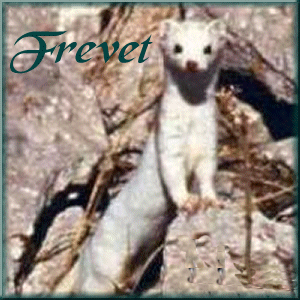
Frevet
small mammalian creature, similar to a weasel or ferret in shape, which eats insects. Commonly kept inside a domicile to keep bugs under control. Friendly and curious animals.
*page built by Talora*