Following are groups of thumbnails with brief descriptions. Click on the thumbnail
to view the full sized image. If you have any information about any
of the machines pictured here, particularly the Luftwaffe aircraft, e-mail me and include an explanation. Please wait for all of the thumbnails to load. There's a lot of intersting stuff to see here. Also, if you haven't already, please sign my guestbook below. I'd love to hear from my visitors.

 ...
... ...
... ...
... ...
... ...
...
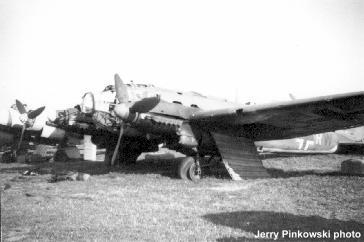
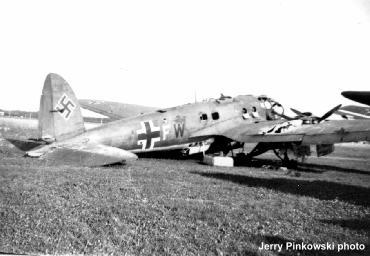
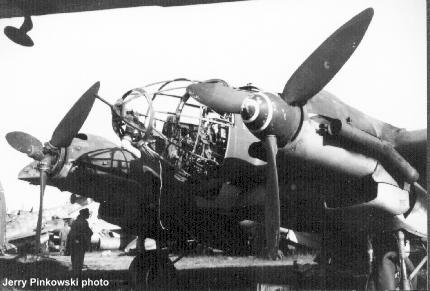
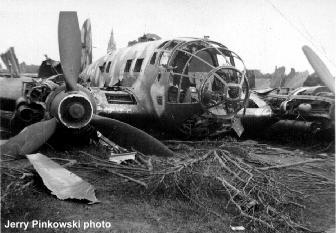
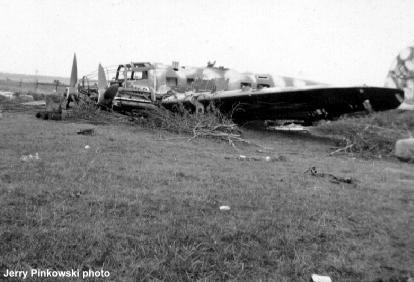
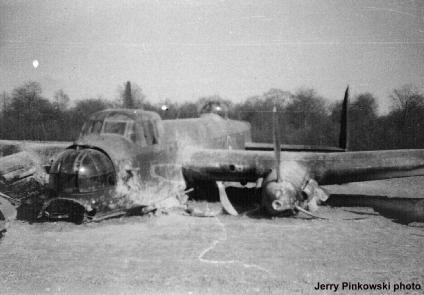
Various examples of the Heinkel He-111.
If you recognize any unit markings, please email me. [email protected]
(In the third shot, note the Me-262 barely visible in background to the left.)
 ...
... ...
... ...
... ...
... ...
...
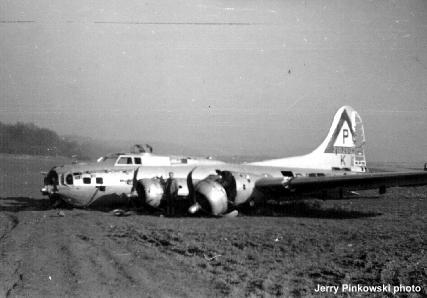
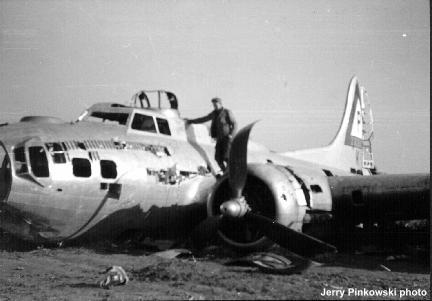
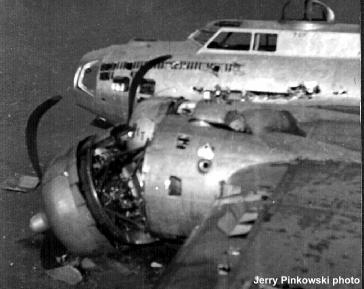
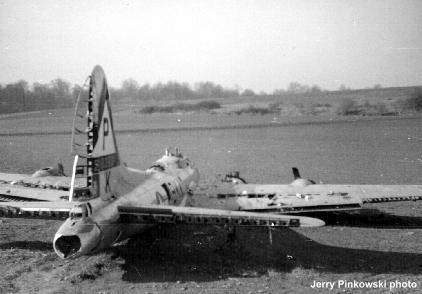
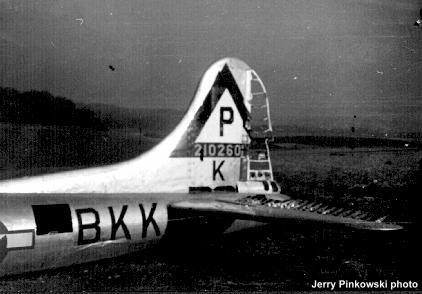
A crash landed B-17 Flying Fortress. I was able to find out that this particular bomber was forced down over France on September 10, 1944--before or after an area bombing of Stuttgart, Germany. By the markings, I was able to determine that it belonged to the 384th Bomb Group (546th Bomb Squadron) stationed in Grafton Underwood, England. Note the battle damage on various parts of the airframe. The B-17 was famous for being able to sustain major damage and still bring its crew safely home (or in this case, to friendly territory.)
 ...
... ...
... ...
... ...
...
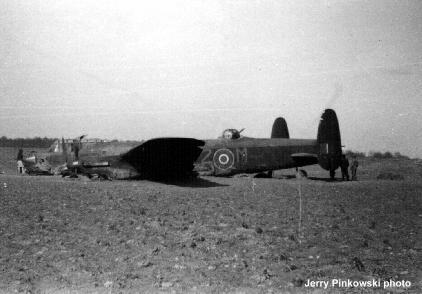
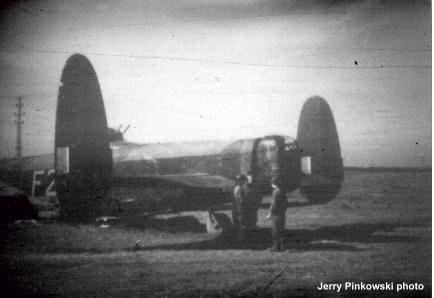
A crash landed Royal Air Force Avro Lancaster. A visitor has contacted me concerning this group of photographs, citing a book by W.R. Chorley, entitled "Bomber Command Losses--1945." An extract from the book reads: "Lancaster PB668 F2-M took off from Downham Market on Feb. 21, 1945. The starboard inner failed and flak damage stopped the port inner. The starbaord inner started misfiring and the aircraft force landed in a field near Thiercelot in Luxembourg. There were no injuries. The pilot was F/L Toothill."
(Note the feathered propellers on the #2 and #3 engines in the photo.)
Thanks to my visitor AND to Mr. Chorley for adding another piece to the puzzle! If anyone else has any additional information about this aircraft, I'd love to hear about it! [email protected]
 ...
... ...
... ...
...
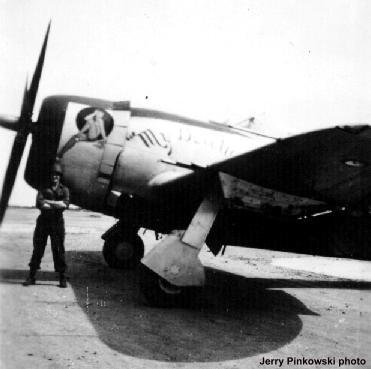
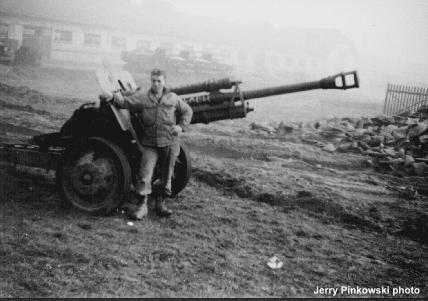
Unfortunately, no unit markings are visible on the P-47 Thunderbolt--only part of the aircraft's individual nose art. Also pictured is a Russian 76.2mm anti-tank gun. Evidently the Germans captured many of these guns from the Russians and used them--either with a captured stock of 76.2mm shells or they rebored the barrel to fire their own 75mm shells. Many thanks to Alf Brucker, David Guerroro and Ken Annett, who all agree on the identification of this specimen.
As always, if you have any further information, e-mail me. [email protected]
 ...
... ...
... ...
... ...
... ...
...
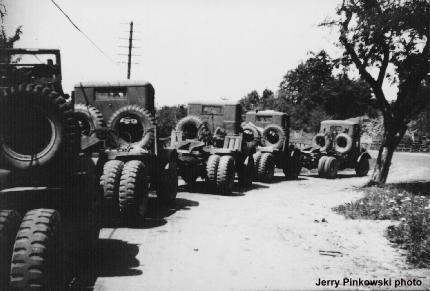
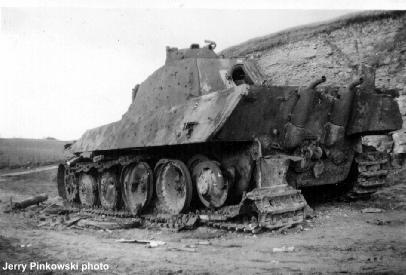
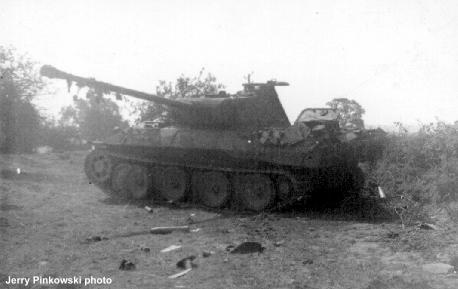
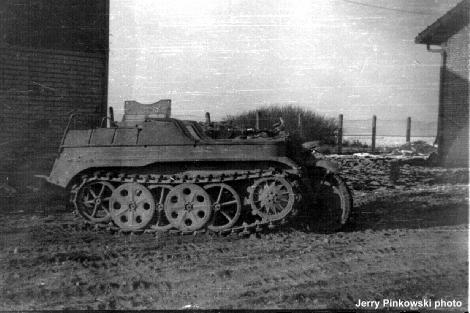
Various Allied and German vehicles. Several visitors have contaced me concerning these photographs. From left to right, here they are: 1) Still unidentified U.S. tractor rigs; 2) Panther Ausf. G; 3) Panther Ausf. A; 4) SdKfz-2 Kettenkrad; 5) The consensus on this one is that it's a U.S. M8 armored car. Many thanks go out to Charles Davis, Ron Balabon, Richard Byrd and Kristian Thy, who responded with identifications. E-mail me with any additional information.
 ...
... ...
... ...
... ...
... ...
...
 ...
... ...
...
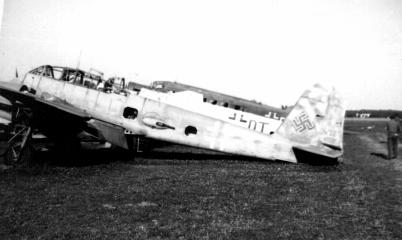
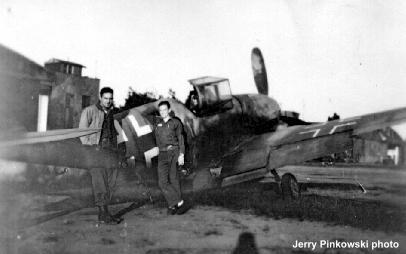
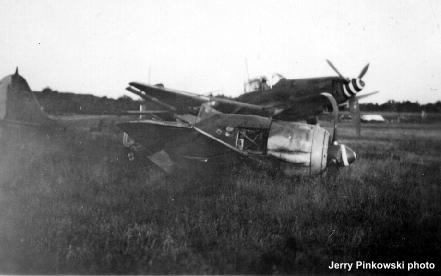
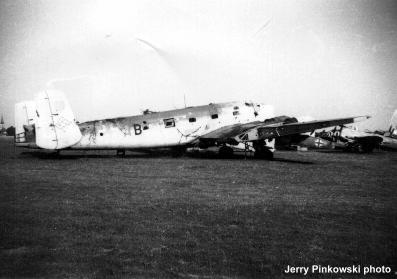
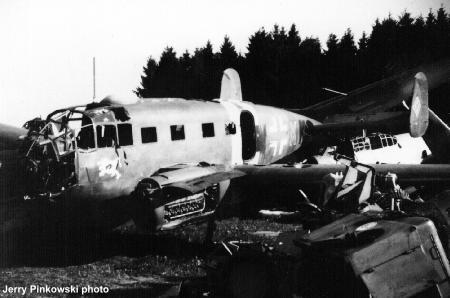
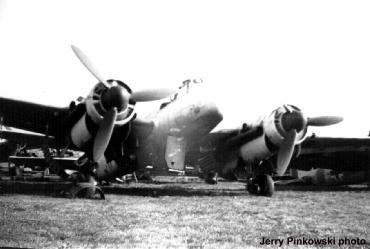
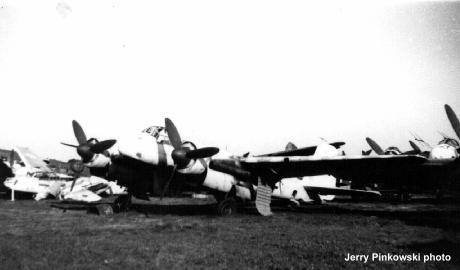
The first shot is a German Messerschmitt Me-410; the fourth one WAS a Junkers Ju-290; the fifth is a Siebel Si-204, bearing the "Blindekuh" (Blind Cow) emblem associated with a "Blindflugschule" (Blind Flying School). Thanks to Steve Sheflin. The last two shots are of Junkers Ju-88s.
About shots #2 and #3--These were taken on or around May 8, 1945, (war's end), at Fürth, Germany, where many Luftwaffe personnel surrendered by landing their aircraft at the airfield there. Shot #2 is a Bf-109 G-10/R2 known as "Black 12+5F" (signifying the markings on the fuselage in relationship to the national insignia "+", It was from 2./NAG 14 and was found on May 8, 1945 when the Americans moved into Fürth. Shot #3 is of a FW-190 A-8 marked with a chevron and a triagle forward of the national insignia, signifying that this was the plane of a Gruppe Commander. It was forced down at Fürth on May 8 by Lts. Ed Kenny and Bob Marple of the 10th PRG. It's probable that this aircraft belonged to 2./I./JG 6. Thanks to Steve Sheflin for the information on shots #2 & #3. All of the information comes from his publication "AIRFOIL" (Issue No. 3), published in 1985. I've verified all of the identifications myself and am personally impressed with a fine job he has done with his publication. Thanks once again, Steve!
WRECKS
 ...
... ...
... ...
... ...
... ...
... ...
...
 ...
... ...
... ...
... ...
... ...
... ...
...
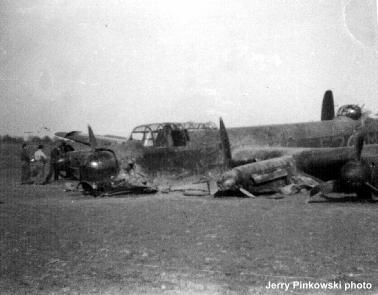
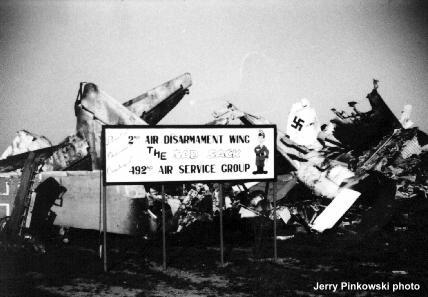
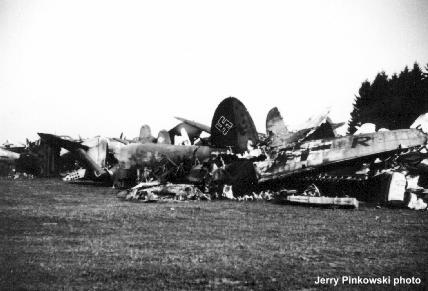
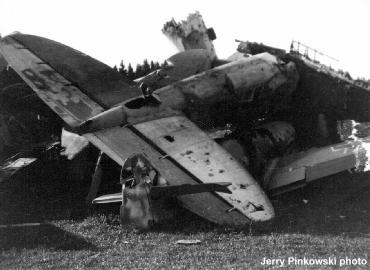
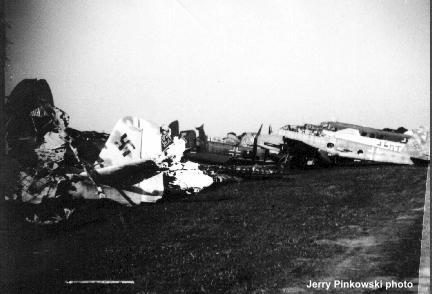
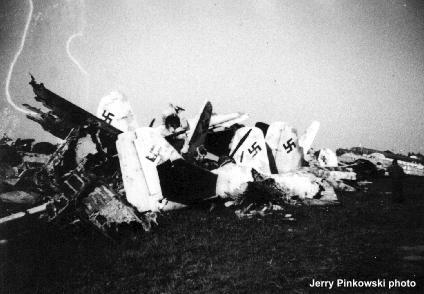
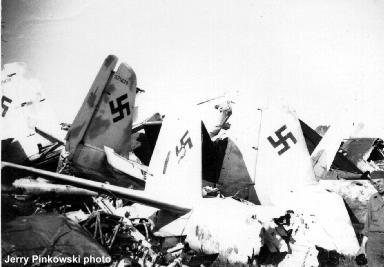
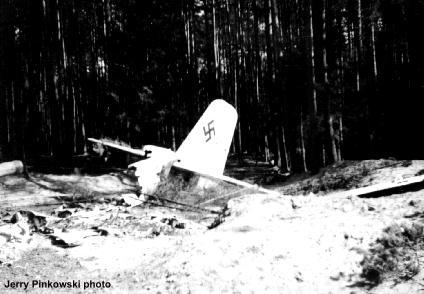
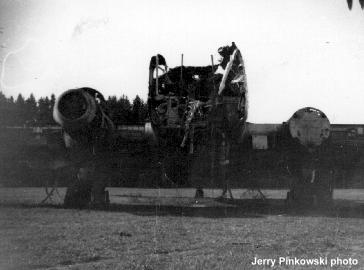
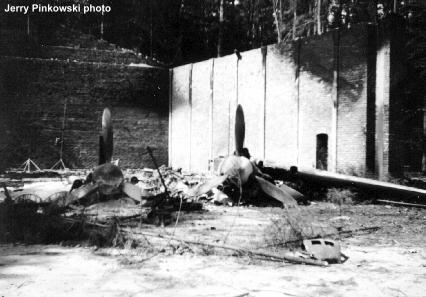
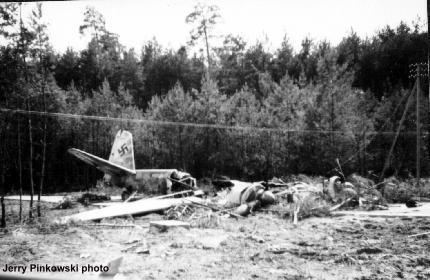
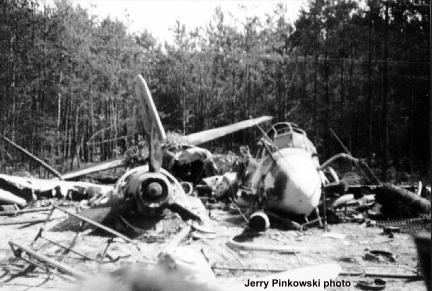
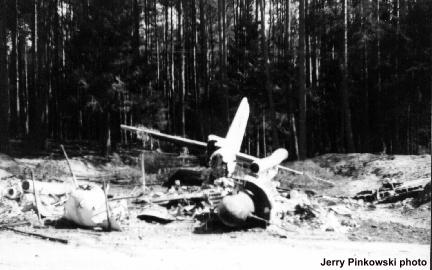
Scenes from the 2nd Air Disarmament Wing, "The Sad Sack". Evidently, this was some sort of mass graveyard for captured and destoyed Lufwaffe aircraft. I still don't know when or where these photos were taken, however. Several of the shots are of Junkers Ju-88 bombers--note the Lichtenstein radar array on the nose of these aircraft.