Ecstasy (MDMA)
('E', ADAM, MDMA, MDA, MDEA, Pills, 'X', Love Doves)
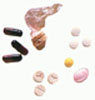 Chemically ecstasy is known as methylene-dioxymethamphetamine, usually referred to as MDMA. It is one of a huge family of related drugs from the MDA family which fall between hallucinogens (like LSD) and the amphetamine family. It usually comes in small tablets that may have a picture printed on them such as a dove, a hammer and sickle, or a diamond and the drug is often referred to by its appearance (such as 'Doves').
Ecstasy started being used as a recreational drug by a wide variety of people around 1985. It is commonly used at raves and clubs to accompany the various forms of dance music. It is estimated by some people that 1 million people a week take ecstasy in the UK.
However, a lot of tablets sold as ecstasy may contain no MDMA at all. They may contain a related substance such as MDEA or MDA, which have similar effects but often may contain amphetamine or in some cases no drugs at all.
It directly affect the central nervous system by speeding up the activity of certain chemicals in the brain.
History
Ecstasy in the form of MDMA was first synthesised in 1914 as a drug to reduce appetite. It wasn't until 1981 that American youths first started using it as a recreational drug. It was entirely legal in the USA until 1985 when it was added to the banned list.
Ecstasy came to the UK as part of the dance culture which had spread from Chicago based house clubs. 1985 was really the beginning of ecstasy use in the UK but its use quickly increased greatly. Nowadays the governement estimate that between one, and one and a half million 'E's are taken every weekend in the UK. However, recently there is a trend for pills sold as 'E's not to have MDMA in them at all. Most have some chemical relative of MDMA, such a MDEA or MDA, or simply some other drug such as amphetamines.
Effects
The effect of ecstasy on the body varies from person to person and it depends on the amount of the drug is taken, the way is taken, bodt's size and weight, previous usage of the drug, taking it with other drugs, person's mood and type of the drug.
Immediate effects of a single low dose
The effect can last up to six hours, but some may persist for up to 32 hours.
- increased heart rate
- increased blood pressure
- increased confidence
- sweating and nausea
- extreme feeling of well-being
- anxiety
- paranoid feelings
- jaw clenching, grinding teeth
Higher doses can cause hallucinations (seeing, hearing or smelling things that do not exist), sensation of floating, strange behaviour, fits, vomiting.
Other effects are "hangover" effect-including loss of appetite, insomnia, depression, muscle aches and difficulty in concentrating-particularly on the day after the drug is taken. Death also has been reported.
Because Ecstasy is illegal drug, it can cause long term legal and social problems - for instance in work, relationships and financial.
References. CEIDA-health service/NSW. Drugs information on websites.