(Coke, Charlie, Snow, Rock, The white, The nice,
Uncle, Crack, Nuggets, Wash, Gravel)
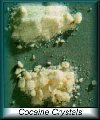
Cocaine is a stimulant drug as it directly affects the central nervous system.
Cocaine was used in the past as a local anaesthetic in many countries.
Cocaine is a white powder obtained from the leaves of the coca plant which grows in many areas of South America. It is a powerful stimulant, which has similar effects to amphetamines.
Forms of Cocaine
1.White Powder (cocaine Hydrochloride)
It can be inhaled or injected but cannot be smoked because it is destroyed at high temperature.
2.Freebase Cocaine.
This is an extract of cocaine hydrochloride and it could be smoked. Crack is a very pure type of freebase cocaine and it is sold in the forms of small crystals or "rocks".
3.Solubale Form.
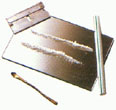
Soluble cocaine is sometimes injected, possibly mixed with heroin (this mixture is sometimes called 'Speedball') but the usual method is for a small amount (usually called a 'line') to be sniffed or 'snorted' up the nose through a small tube and is absorbed into the blood through the thin membranes in the nose.
People who sell these drugs often mix them with other substances to increase their profits and these substanses can be harmful as well to the body.
History
Andean Indians have been chewing on cocoa leaves (which are the raw ingredient for cocaine production) for over five thousand years. When the Spanish arrived in South America they took a dim view of the practice claiming it was ungodly. However it was via the Spanish that cocoa leaves reached Europe.
Cocaine as it is known today was first synthesised in 1855 although it was not until 1880 were its effects were recognised by the medical world. One of the most famous people to use and prescribe cocaine was Sigmund Freud who early on in his career promoted it as a useful tonic, although later on also admitted to its dangers and drawbacks.
Coco-cola was another famous source of cocaine. It was introduced by John Pemberton in 1886 and was made with cocaine laced syrup and caffeine. However, due to public pressure the cocaine content was dropped in 1903.
It was introduced to the UK in the nineteenth century in various tonics and pick-me-ups but wasn't used widely as a 'party' drug in its purer powder form. It was first made illegal during World War I when a panic spread that (mostly German made) cocaine was being sold to British troops. As with most drugs an ethnic minority is usually associated with its evils and in this case the London resident chinese population were scapegoated.
By 1930 there was almost no 'cocaine scene' in the UK mainly due to the wide availability of amphetamines and due to efforts to stamp it out. However since then use has been rising again. Although often considered to be a drug of the well off, due to falling prices it is used by a wide range of people. However, it is still far more expensive compared to other stimulants such as amphetamines.
Crack was according to legend created by Yanqui drugs traffickers in the early 1970s as a way of testing the purity of South American bought cocaine. It first became common in the big American cities such as Los Angeles, New York and Washington. It eventually reached the UK but is still quite rare and does not seem to leave the urban areas of big cities where it is most common.
Effects
The effect of cocaine on the body varies from person to person and it depends on the amount of the drug is taken, the way is taken, bodt's size and weight, previous usage of the drug, taking it with other drugs, person's mood and type of the drug.
Immediate effects of a single low dose
The effect can last from few minutes to few hours.
Higher doses can cause headaches, dizziness, heart problems, loss of interest in sex, loss of motivation ans concentration and violent behaviour.
Other effects are related to the way the drug is taken like snorting cocaine can lead to nose bleed or sinusitis. Smoking the drug can cause lung problems. Injecting the drug can increase the risk of HIV and hepatitis B and C infection. Long term injection can damage the blood vessels and can cause serious problems.
Overdosing
Overdosing the drug can kill the person, even as little as 10 mg. It can cause heart failure, lung failure and burst blood vessels in the brain. Psychosis, mental distribution, delusions, hearing voices and so on.
Withdrawal
Withdrawal symptoms occur when a dependent person stops using the drug or severely cuts down the amount they use. Withdrawal symptoms from cocaine can include: deep depression; suicidal feelings; nausea; vomiting; shaking fits; fatigue; weakness; hunger; long but disturbed sleep; irritability; muscle pain; craving for the drug.
Because Cocaine is illegal drug, it can cause long term legal and social problems - for instance in work, relationships and financial.