Amphetamine
(Speed, Sulph, Whizz, Billy)
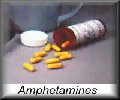 Amphetamine is a stimulant drug as it directly affects the central nervous system. Amphetamine was used in the past to treat depression, obesity and a range of other conditions. it is still used to treat some uncommon medical conditions.
Amphetamines bought on the street are usually in the form of white or yellow powder, manufactured illegally. They can be sold as tablets or as a liquid in capsules. It can be swallowed, injected ('banged', 'shot', 'whapped')or inhaled. There is also a smokeable form of speed, commonly called Ice (also Crystal, Glass and Ice Cream), although this is quite rare. In the U.S., methamphetamine is most commonly referred to as 'crank', 'meth', 'shit' (as in, Do you have any shit ?) or 'crystal'.
Amphetamine is a stimulant drug as it directly affects the central nervous system. Amphetamine was used in the past to treat depression, obesity and a range of other conditions. it is still used to treat some uncommon medical conditions.
Amphetamines bought on the street are usually in the form of white or yellow powder, manufactured illegally. They can be sold as tablets or as a liquid in capsules. It can be swallowed, injected ('banged', 'shot', 'whapped')or inhaled. There is also a smokeable form of speed, commonly called Ice (also Crystal, Glass and Ice Cream), although this is quite rare. In the U.S., methamphetamine is most commonly referred to as 'crank', 'meth', 'shit' (as in, Do you have any shit ?) or 'crystal'.
History
Amphetamine was first synthesised in 1887. However, it was almost 30 years later that it was first used for medical purposes. Due to its ability to dilate small 'air sacs' in the lungs it was sold as inhaler for asthmatics, but was widely abused. During the 30s and 40s recreational amphetamine use took off. Some people finding it the ideal drug to make their lives easier to manage during times of depression and war.
During the Second World War large amounts of amphetamines (72 million tablets) were given to soldiers to keep them alert and awake. Even Hitler took daily amphetamine injections.
Until 1956 many amphetamine based substances were easily and leggally available over the counter. After 1956 it was available only as a prescription drug. This continued until 1964 when the Drugs Act made posssession of amphetamine without a presecription illegal.
Due to its energy boosting and active nature it has been used by many (mainly youth) subcultures. The 60s Mods used it partly in reaction to the passive dope smoking hippy movement. Recently it has had somewhat of a revival due to its use in raves and clubs.
Effects
The effect of amphetamine on the body varies from person to person and it depends on the amount of the drug is taken, the way is taken, bodt's size and weight, previous usage of the drug, taking it with other drugs, person's mood and type of the drug.
Immediate effects of a single low dose
The effect can last from few hours to few days.
- reduced appetite
- increased rate of breathing and pulse
- increased blood pressure
- extreme feeling of well-being
- panic attacks
- enlarged pupils
- inability to sleep
- hyperactivity; talkativeness
- anxiety;irritability; suspiciousness; a threatening manner
Higher doses can cause headaches, dizziness, restlessness, shaking, pale skin, repetitive movements, feeling of being powerful or superior, aggressive, reduced resistance to infection, malnutrition, emotional disturbance and psychosis.
Most of the crank bought on the street is mixed, referred to on the street as 'cut'. The cut is usually something as inoccuous as baking soda or 'Fruit Fresh'. Crank obtained in powder form is usually cut before purchase. Cut makes the original product go farther, thus bringing more money per gram. Crank is often cut with cocaine, heroine, or crushed codeine tablets (referred to as 'speed balls'). This is done to increase the rush or 'buzz' of an inferior product, or done by the user himself. Crank has caused stroke, heart attack, suicide, murder, imprisonment, insanity,and death
Other effects are related to the way the drug is taken like snorting cocaine can lead to nose bleed or sinusitis. Injecting the drug can increase the risk of HIV and hepatitis B and C infection. Long term injection can damage the blood vessels and can cause serious problems.
Effects of higher doses
- sweating
- headaches
- restlessness
- shaking
- irregular beathing
- pale skin
- dizziness
- feelings of being poweful or superior
- repetitive movements
- very rapid or irregular heartbeat
Effects of continued use
- malnutrition
- reduced resistance to infection
- violence, often for no apparent reason
- emotional disturbance
- periods of psychosis
Overdosing
Acute amphetamine poisoning can cause a number of effects including:
- irregular heart beat
- heart attack
- a very high fever
- burst bood vessels in the brain
- psychosis ( hearing voices, delusions, suspicicion and fear of persecusion). Death also has been reported.
Withdrawal
Withdrawal symptoms occur when a dependent person stops using the drug or severely cuts down the amount they use. Withdrawal symptoms from amphetamine can include: fatigue; hunger; deep depression and lack of energy; exhaustion; irritability; agitation; anxiety and carving for a "high".
Because Amphetamine is illegal drug, it can cause long term legal and social problems - for instance in work, relationships and financial.
References
CEIDA- health service/ NSW, Australia.
Drugs information on web sites.