 |
|
|
|
|
|
|
|
|
|
|
|
|
|
|
|
|
|
|
|
|
|
The Chesapeake and the American Revolution
|
|
|
Much of the lower region of the Chesapeake supported the revolution, and therefore many troops were sent to the area to drive these men out of the marshes and rivers from where they were operating and supporting the revolution.
These men were not landed supporters of the Revolution, but instead, practised rebellion in the best way the knew, through maritime means. Roaming the Chesapeake as Privateers, the southern revolutionaries created havoc within the Chesapeake, taking British supplies off their ships, raiding docks and plantations, as well as burnign wharfs. it is therse privateer actions that stand out as a significant southern revolutionary contribution to the war. |
|
|
|
 |
|
|
|
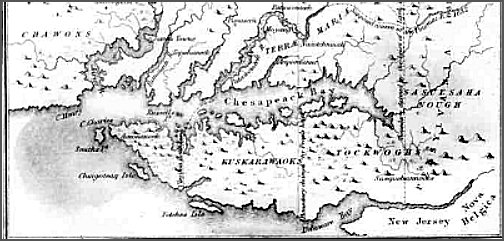
1776 map of the Chesapeake Region
(map source:Piracy on the Chesapeake in the 18th Century web site) |
|
|
|
|
The privateers in the Chesapeake region used many different ships and weapons in their attempt to stop the British. These included those such as schooners, whale boats, and barges. Thy hid in rivers, launched raids, and plundered other merchant ships that were British using weapons from guns to knives or whatever else was at hand. These ships were led by men such as Joseph Wheland Jr.
such efforts by these privateers caused problems for the British. The militias were tired out by constant searching for these men. The widespread actions also led to a loyalist retreat to Potomac River Island, in order to find some safety from Wheland and his men.
|
|
| With the surrender of Cornwallis at Yorktown in 1781, the Chesapeake was left under the safety of French patrols. |
|
|
|
 |
|
|
|
To main Page |
|
|
|