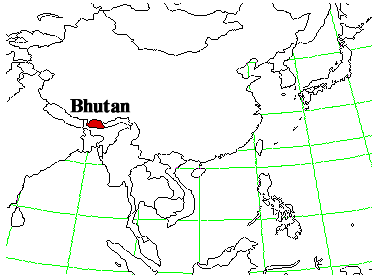
 Bhutan lies on the lap of the Eastern Himalayas. It is bordered by Tibet (now part of China) on the north and by India on the south. Nepal and Bangladesh are its next closest neighbours, but it does not have common borders with them.
 Back to Main Page
Bhutan lies on the lap of the Eastern Himalayas. It is bordered by Tibet (now part of China) on the north and by India on the south. Nepal and Bangladesh are its next closest neighbours, but it does not have common borders with them.
Bhutan has always been an independent country despite its small size and small population. In the earlier periods of its history, Bhutan's foreign contact was almost solely with Tibet. This is reflected in the Tibetan influence of our culture and architecture. However, since the late king Jigme Dorji Wangchuk led the country on the path to modern development in the beginning of the sixties, India has been our major developmental partner. But today, Bhutan also has diplomatic and economic relations with many other nations.
Under the Royal Government's policy, Bhutan is treading the path of development cautiously. For instance, not putting economic gain before the conservation of environment. Bhutan is one of the least developed contries in the world today. But people live in relative comfort because they have good access to basic necessities like food, shelter, good drinking water supply and medical facilities.
Yet, Bhutan has little room for complacency. As the world enters the twenty first century, it just cannot stand and stare and stay behind.Today, Bhutan's sources of revenue include hydro-electric power, coal, gypsum, cement, wood-based industries, agricultural products and tourism. The full potential of these resources is yet to be realized. With more young people getting modern education and acquiring various skills, Bhutan is well on its way to achieving its goals.
Written By: Tshering C. Dorji on 15th March 1998.
 View My Guestbook
 Back to Main Page