- Fox -
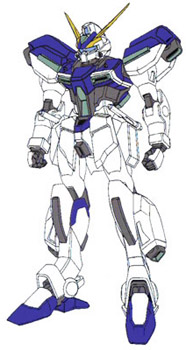
Changes were made to the Fox immediately, giving it Proto Luna Titanium armor and more sophisticated verniers. High-powered beam sabres, as well as Phalanx vulcans (which excel at tracking and destroying incoming missiles) were also thrown into the core design. However, the arms manufacturer was initially unable to fully replicate the variable configuration systems that made the Dancer stand out. In addition, there were several problems adapting the Corps' design to the traditional cockpit systems and combat AIs required by Natural mobile suit pilots. As a result, the first production run of these machines were considered a dismal failure, since they barely had the ability to stand up, let alone fight.
Fortunately, the Alliance's new allies on Ark Orion were able to offer a solution. The colony's government-sponsored manufacturing firm, Vulcan Industrial, provided the blueprints for its multi-configuration Zaku, as well as copies of an operating system that made it easier for Naturals to cope with such a flexible design. The end result helped turn the Fox into an extremely sophisticated, high-performance machine that could easily match the Zaku.
At first, however, the shear cost of the Fox, and the fact that the United Alliance fleet was in a shambles at the time, kept the suit from seeing wide production. This all changed, however, when the Alliance sided itself with the Newtype Corps, and regained a few small freedoms. As a gesture of goodwill, the Corps even gave the UAAF the specs for its perfected Luna Titanium. This Transphase alloy is designed to activate its shielding charge at the point of an attack's impact, preserving energy and stability for indefinite use. While very effective against conventional weapons, however, it helps only a little against beam attacks. Still, it gives the machine a new advantage against its "older brother," the Zaku.
