



Internet Medieval Sourcebook Broken down into selected texts, full text sources and saint's lives, this site is a wonderful reference tool for study of the Middle Ages. The selected sources are vast in size and cover everything from the fall of Rome through the influence of the Byzantine empire and the rise of the Roman Catholic Church. Feudalism, the Crusades and the Renaissance are all given their due here. And there is no overemphasis on any particular nationality of movement; from the Huns and the Franks to the Celts and the Moors they're all here.

The Middle Ages This site offers a multimedia presentation on the Middle Ages. Definately a place for beginners to start their research on the web.
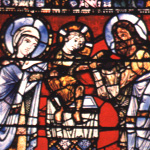
Medieval Europe In history texts, medieval European history often goes by its older soubriquet, the Middle Ages. Typically, the period stretches from the collapse of IMPERIAL ROME to the coming together of the forces of the RENAISSANCE in Europe.
Middle Ages: From the Annenberg/CPB Projects collection, this is an excellent
presentation on medireview history using efficient, fast-loading web pages.
Topics covered are handled succinctly with accompanying illustrations:
feudalism, religion, homes, clothing, health, arts and entertainment, and
town life. Each topic is broken into subtopics and related links are offered
throughout the site. Since it flows nicely with an ease of navigation other
sites can only envy, it can be used as an introduction, tutorial, or
enrichment activity to supplement your class studies.
The Middle Ages: This Brigham Young University site offers lots of great information on
everyday life in medireview times. Let the splash page fully load and enjoy
the mesmerizing canticle in the background as you peruse the many resources
offered here on Arthurian Legend, Arts, Literature and Games. There are
student-generated newspaper reports on events from the Middle Ages, and
reports on significant figures all done by Ms Schoonmaker's High School
Ancient History class!
Battle of Hastings: The event that signaled the birth of a nation. William of Normandy defeats
Harold of Wessex and England emerges. Considering the impact this
island-state had on world history for the next thousand years, this is
pretty significant material. And the website handles it quite well with lots
of Java-based animation since it has been overhauled. Click on the King for
a guided tour or on the Bayeux Tapestry icon to study the battle from this
ancient artwork. This site shows educators the potential power of a
well-done website!
Glossary of Medieval Art and Architecture: The University of Pittsburgh presents this alphabetized, frames-based site on the major terms and trends in medireview visual art and architecture. Each term offers a main definition and links to related terms with illustrations. Click on the entry word itself and link to additional images and a sound file that demonstrates the proper pronunciation of the term. Text based and plain in its format, this page may well be an unsung treasure in the sea of websites out there on medireview times.
A Guide to Medieval and Renaissance Instruments: This simple table of instrument names is a quick click to more than thirty
instruments used during the Middle Ages, from the Bladder Pipe and Cornamuse
to the Shofar and Zink. Each page offers a discussion of the design and use
of the instrument along with additional links for further study. The images
are crisp and clean and if you click on the main picture at the top of each
page you can actually listen to the instrument sound in question.
The Medieval Science Page: Want to integrate Science into your study of the Middle Ages? This site will
help you make it happen, with a look at all kinds of information on
everything from alchemists to societies and programs of the time. The links
on instruments, for example, include the astrolabe, the armillary sphere,
the torquetum and the water clock. Not all the links work, but what is
available is truly worthwhile for student researchers wanting to learn more.
The Medieval Technology Timeline: From the Department of Chemistry of New York University, this virtual timeline is organized in 200-year increments from 500-1600 AD. It is linear and text-based in design, so you have to do your fair share of scrolling.
But each event has an embedded link that takes the learner to a more
detailed examination. For example, by 500 AD it is said horse shoes have
become common. When you click on this link on the timeline, you learn that
the Celts may have been using horse shoes as far back as 50 BC, but that
they were in common use half a millennium later. There are a number of
citations that offer evidence on the subject, many of them with links for
additional reading. What a great way to integrate Social Studies and
Science!
Art of the Middle Ages: These pages are maintained by Chris Witcombe, Professor of Art History at Sweet Briar College, Virginia 24595 USA (phone: 804-381-6194 / fax: 804-381-6173). If you have any comments, or suggestions for additional links, or know of other interesting sites, please let me know: [email protected]
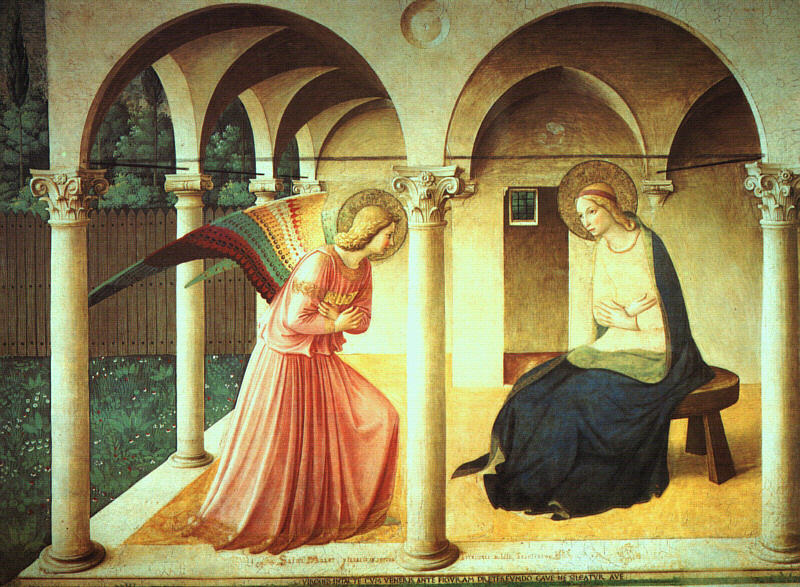
The Renaissance
A Compendium of Common Knowledge: Covering everyday life in Elizabethan England, this website lives up to its name with all kinds of fascinating information about life in the late 1500s. Topics covered include games, money, marriage and family, services and occupations, religion, food, education and much, much more. Each local link offers a concise explanation, an illustration where appropriate, and links for additional information. Did you know that rather than Main Street they
called their main thoroughfare High Street, and that you didn't reside on a
street but in a street? Lots of information here for meaningful student
research!
Renaissance Tome of Adventure and Knowledge: "Sir Clisto Seversword" takes you on a journey through the Middle Ages in the first person using sight and sound to simulate a right medireview experience - very different! And now that the page has been updated there's even more to be impressed with: 75 chapters of information on every aspect of Renaissance life from armor, weapons and castles to architecture, arts
and monarchs. Each chapter is a concise collection of links that look at the
topic in-depth, so it's easy to zero in on just the right resource for your
students!
Virtual Renaissance: OK so the index page is a bit much with the intense background. But once you
get past it your students are in for quite a treat. Enter through Portal
Five and receive a complete lesson plan for using this site with your
students, who are required to apprentice for an artisan during Renaissance
times. There is an emphasis on the study of the Guilds of the time and an
opportunity for each of your students to become a master craftsperson in his
or her own right. This site is set in Renaissance Italy, so it gives a nice
contrast to other pages recommended on this topic which favor the later
northern Renaissance.
Mr. William Shakespeare and the Internet: Welcome to the latest edition of Mr. William Shakespeare and the Internet. Newcomers should read the Introduction for an explanation of the way things are arranged. Old timers should read What's News each visit for highlights and new features.
HOME
Mr. Grant's Classes Online