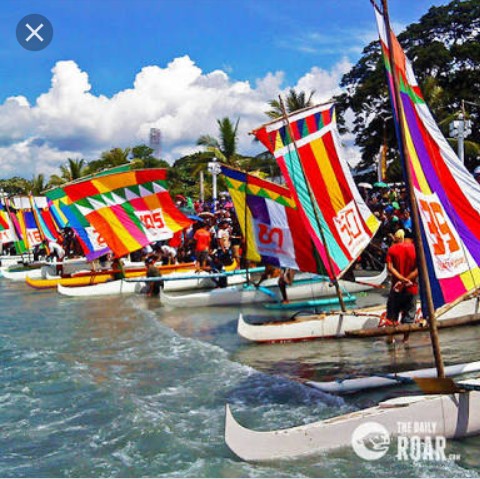
Zamboanga
Zamboanga City Hall is one of the icons of Zamboanga City that highlights its cultural diversity. The Spanish-influenced building was constructed in 1905 by the Federal Government United States and completed in 1907. Since 1907, the historic building served as the seat of different governing bodies; starting as the official residence of the US Military governor of the Moro Province until 1913. Then it served the seat of the then Department of Mindanao and Sulu from 1914 to 1920. In 1921 it was the seat of government of the Zamboanga Province. In 1937, it served as the seat of the city government of Zamboanga up until now.
Much older than Zamboanga City Hall is the 17th century defense fortress, Real Fuerza de Nuestra Seniora del Pilar de Zaragoza, also known as Fort Pilar. The fortress, which was constructed by Spanish colonial government, highlights the city's cultural influences and heritage. In the past four centuries, the fort is rich with history dating back to the time of the Spaniards to the American Colonial Period to World War II. Pilar Fort then became a defense fortress and now serves as a regional museum of the National Museum of the Philippines. A historical monument protecting the history of our nation. Zamboangueno come here not only to visit the museum but to also pray at the Marian Shrine beside the fort.
Another cultural highlight of the city is the Yakan Weaving Village, which showcases the beautiful woven fabrics and products of the Yakan tribe. Evelynda Otong, a fourth generation Yakan weaver, said their tribe originally came from Basilan. However, some of them moved to Zamboanga city in 1973.
Zamboanga City may not be the first place for some tourists to visit. However, the Latin City of Asia offers a unique cultural experience to visitors coming here.