Bohol
Bohol is the tenth (10) largest island of the country. It was created as a province on March 10, 1917. It produced Francisco Dagohoy, who led the longest revolt against the Spaniards in the Philippine history. The revolt took the Spaniards 85 years (1744-1829) to quell. It also gave the Philippines its fourth (4) president in the person of Carlos P. Garcia. Garcia was president of the 1971 Constitutional Convention when he died.
Bohol has a population of about 1.3 million. The annual population growth rate is 2.9 percent. The Boholanos today live in the habitable areas of Bohol�s 3, 862 sq kms land area. They can also be found in the various places throughout the country and the world.
The island-province is well known for its top quality handicrafts made of bamboo, saguran and abaca fibers, romblon, buntal and shell craft. It is also famous for its delicacies like Calamay (made from rice, coconut milk and brown sugar packed in a coconut shell).
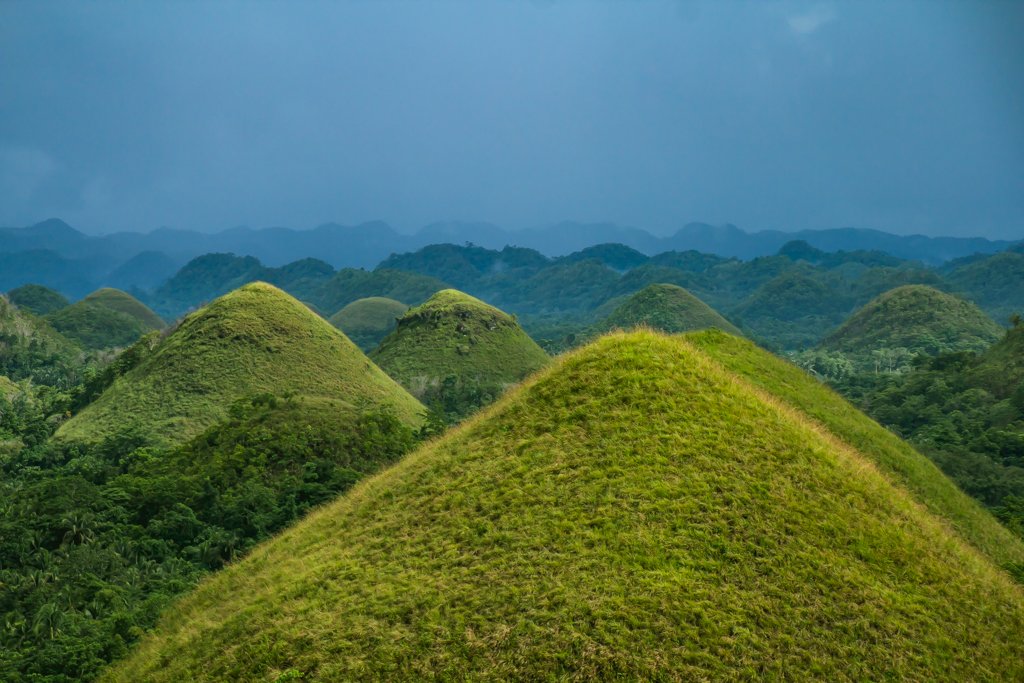
Bohol is famous for its Chocolate Hills (1268 haycock hills that turn green during rainy days and brown in summer). It has one �of the most beautiful eco-marine systems in the world��the Bohol Marine Triangle that covers Pamilacan, Balicasag and Panglao. This area is the habitat of whale sharks, stingrays, dolphins and other forms of marine life. The other famous tourist attractions are the man-made forest and mangrove areas, tarsiers, coral reefs, white sandy beaches, diving spots, caves, watersheds, rivers, underground rivers, waterfalls, old churches, bell towers, etc. Aside from its natural wonders, Bohol is also bursting with talents. It contributes to the nation�s wellbeing by producing highly skilled workers, entrepreneurs, seaman, lawyers, teachers, priests, artist, etc. In addition, its internationally acclaimed Loboc Children Choir could open the gates of heaven with its voices described as �so pure and angelic �.